First Class Anodic Oxidation Service
Anodic oxidation is a common surface treatment process for aluminum alloys, which employs electrochemical methods to form a dense and hard oxide film on the surface of aluminum components.
The principle involves using aluminum parts as the anode, placing them in an electrolyte solution, and applying an electric current to oxidize the surface, thereby forming a protective alumina layer.
Main functions:
- Enhanced hardness and wear resistance: (The film layer exhibits significantly higher hardness than aluminum, providing scratch and wear resistance).
- Improved corrosion resistance: Isolates against air and moisture, preventing rust and oxidation.
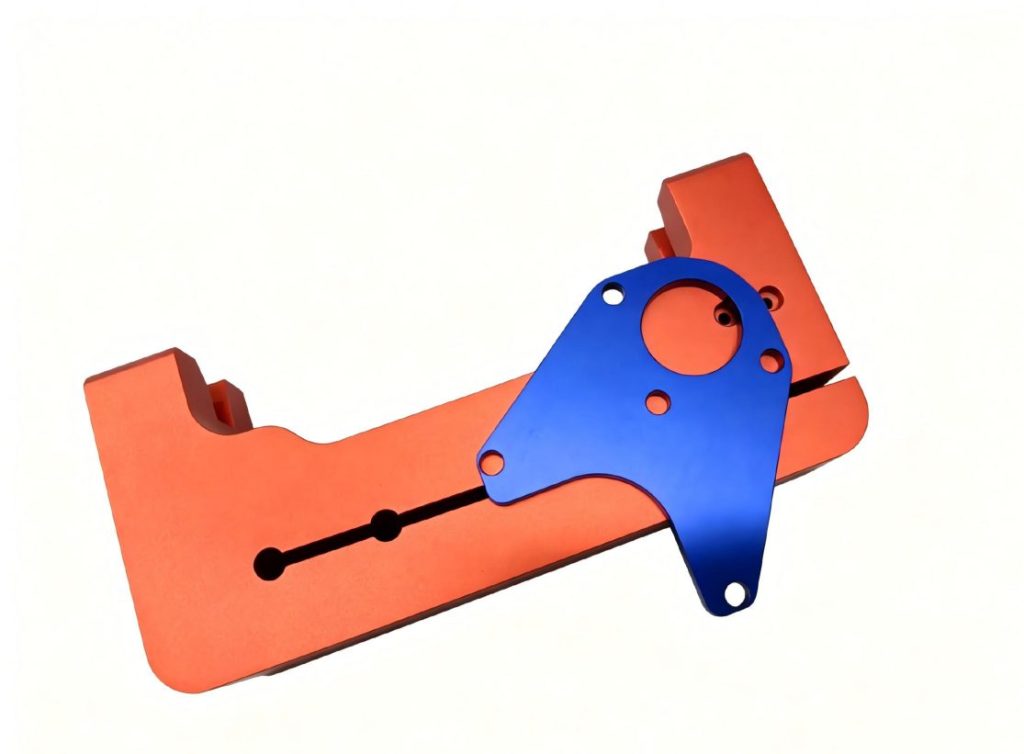
- Dyeability: Can be colored in various hues such as black, silver, gold, and blue, offering strong decorative appeal.
- Insulation properties: The oxide film is non-conductive, providing effective insulation performance.
Typically categorized into:
- Conventional anodizing (natural color/colored): features a thin film layer, emphasizing corrosion resistance, decorative effects, and general wear resistance at low cost;
- Hard anodizing: exhibits a thick film layer with exceptionally high hardness, prioritizing superior wear resistance and compressive strength, suitable for load-bearing, sliding, or friction-prone applications.
Basic Parameters of Anodizing
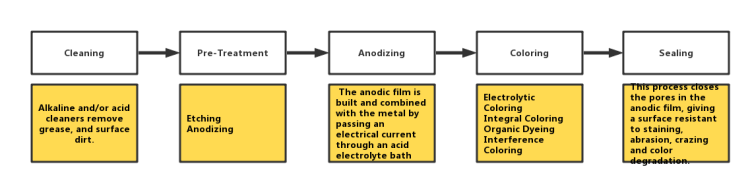
Cleaning: Alkaline and/or acid cleaners remove grease and surface dirt.
Process: Anodizing
Material: Aluminum/Alloy aluminum/Other metal
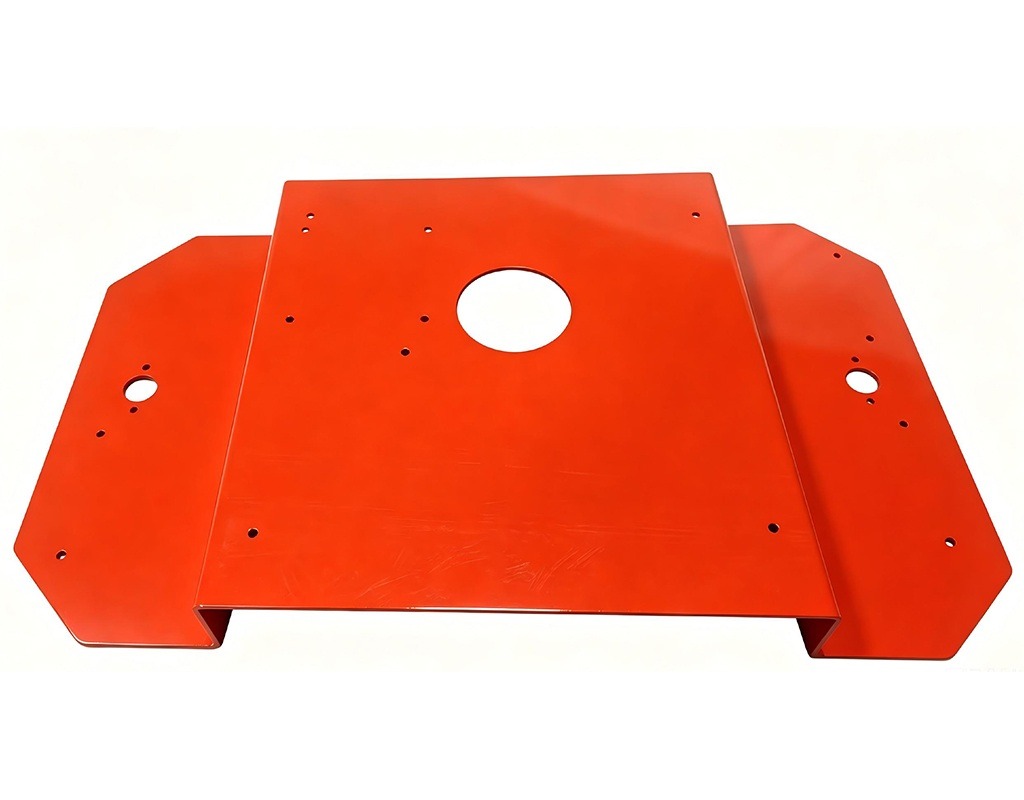
Color: Grass green, red, black, etc.
Steps:
▼Cleaning: Alkaline and/or acid cleaners remove grease and surface dirt.
▼Pre-Treatment: Etching and Brightening
▼Anodizing: The anodic film is built and combined with the metal by passing an electrical current through an acid electrolyte bath.
▼Coloring: Electrolytic Coloring, Integral Coloring, Organic Dyeing, Interference Coloring Sealing. This process closes the pores in the anodic film, giving a surface resistance to staining.
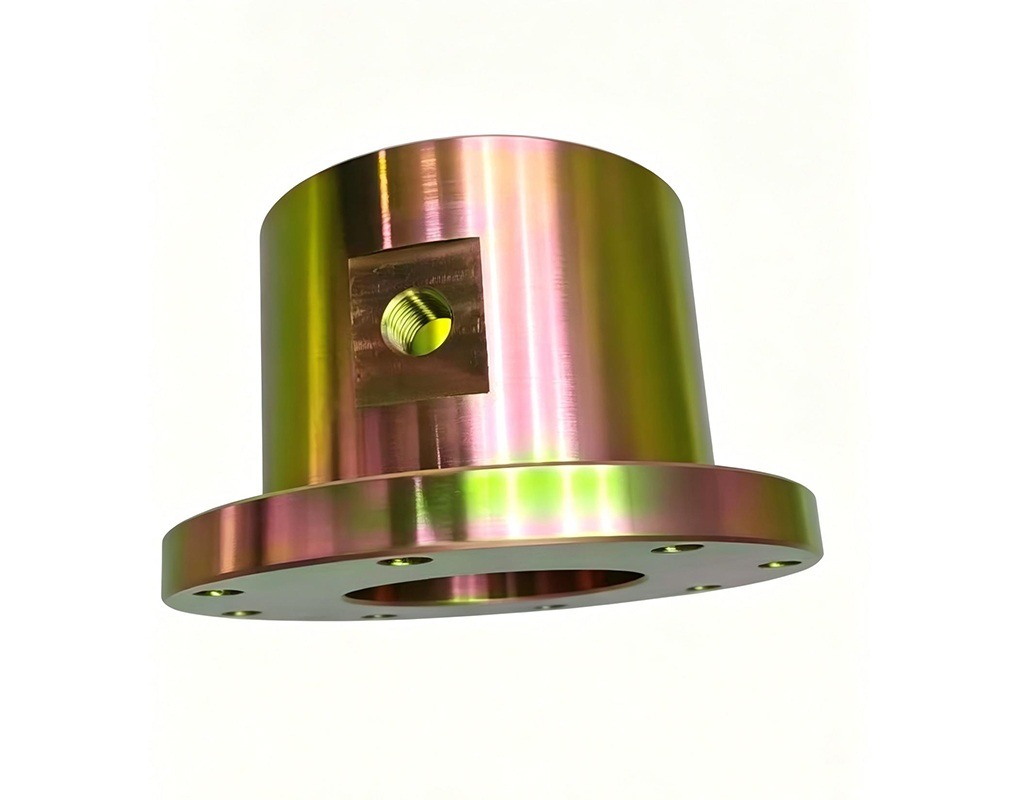
Anodizing Process
Benefits of Anodizing
The unique anodizing treatment is the only one in the metal industry that meets every factor that must be considered when choosing high-performance aluminum treatment, as our unique surface finishing service, it has many traits:
Durability
Most anodized products have an extremely long service life and save significant economic advantages through maintenance and operation. Anodizing is a reactive process that is integrated with the underlying aluminum for complete adhesion and unparalleled adhesion.
Stable Color
The external anode coating has good stability to ultraviolet rays, does not peel off, and is easy to reuse.
Maintain
Scars and wear caused by manufacturing, handling, installation, frequent cleaning, and use of surface dirt are almost non-existent. Rinsing or mild soap and water cleaning will usually restore the anodized surface to its original appearance. Mild abrasive cleaners can be used for deposits that are more difficult to deposit.
Aesthetics
Anodizing provides a substantial increase in luster and color substitutes and reduces or eliminates color changes. Unlike other finishes, anodizing allows aluminum to maintain its metallic appearance.
Cost-effective
The combination of lower initial processing cost and lower maintenance cost can achieve greater long-term value.
Health and safety
Anodizing is a safe process and is harmless to human health. The anodizing treatment is chemically stable and will not decompose; it is non-toxic; the melting point of heat-resistant aluminum (1221 degrees Fahrenheit)
Since the anodizing process is an intensification of a naturally occurring oxidation process, it is environment-friendly and does not produce harmful or dangerous by-products.