
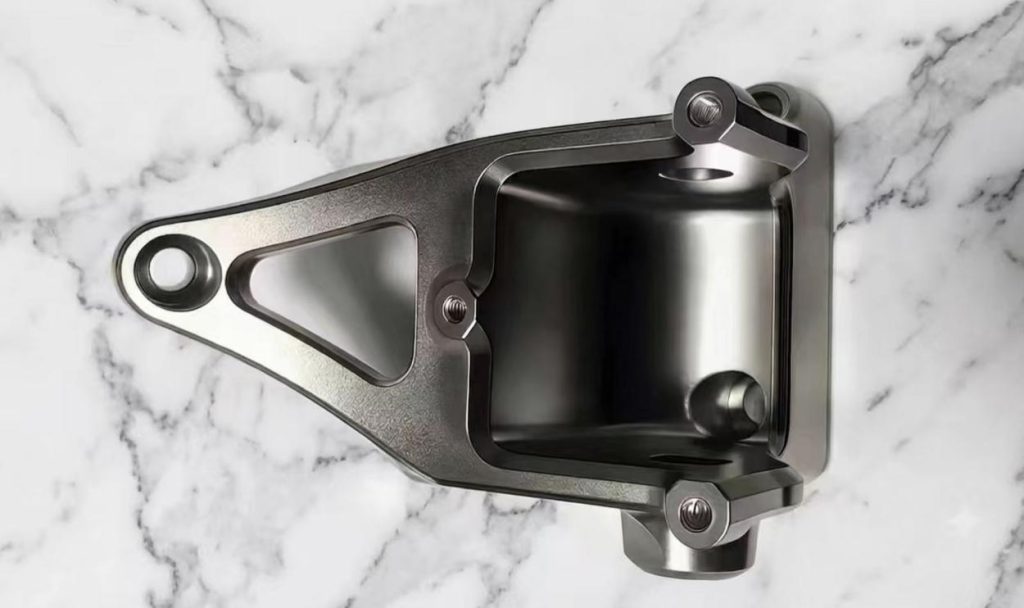
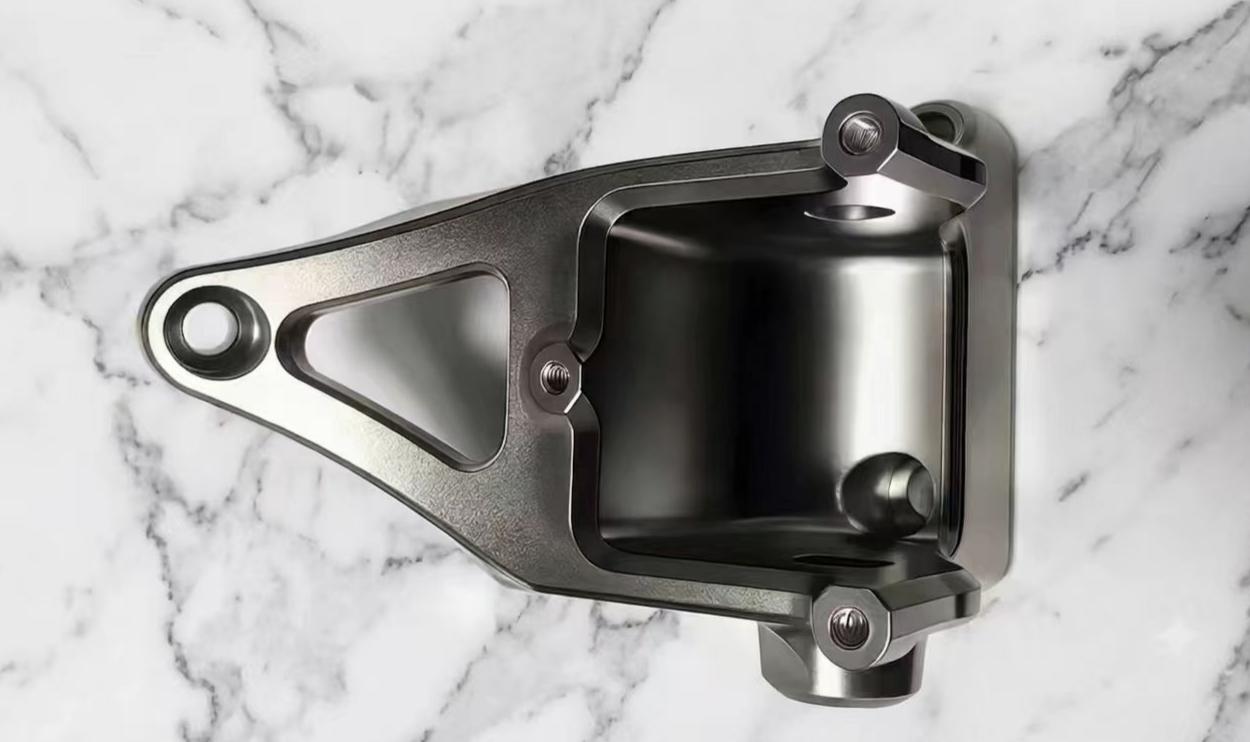
CNC Machined Multi-Angle Aluminum Part with Sandblasting and Nickel Plating
- Material: AL6082-T6
- Size: 87.967X122.016X116.966 mm
- Process: 4-Axis CNC Machining
- Surface treatment: Sandblasting and nickel plating
Why 4-Axis CNC for This Part?
AL6082-T6 is a step up from the more common 6061 grade when it comes to strength.
The T6 temper means the material has been solution heat-treated and artificially aged to reach its best mechanical properties, making it a solid choice for structural components that need to hold their shape and handle real loads over time.
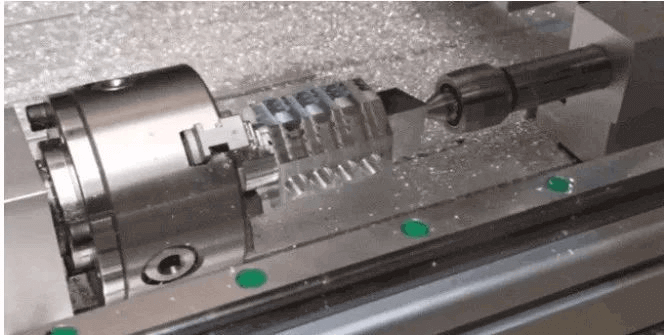
This part requires machining from seven different angles which is where 4-axis CNC becomes the right tool for the job. Unlike a standard 3-axis setup that works along three linear directions, the additional rotational axis allows the cutter to reach multiple faces in fewer setups. That matters for two reasons:
- Accuracy: Every time a part gets re-clamped, there’s a small chance of positional error. Fewer setups mean those errors don’t stack up.
- Consistency: Complex angled features come out more uniform when they’re cut from a controlled rotational position rather than re-fixtured each time.
Tolerances on this part follow ISO 2768-mK, covering both dimensional and geometric requirements which is a standard that leaves little room for accumulated error.
Sandblasting + Nickel Plating: How They Work Together
The surface treatment here is a two-step process, and the order matters.
| Step | Process | Purpose |
| 1 | Sandblasting | Removes machining marks, evens out the surface texture, prepares for plating |
| 2 | Nickel plating | Deposits a hard, corrosion-resistant layer over the uniform base |
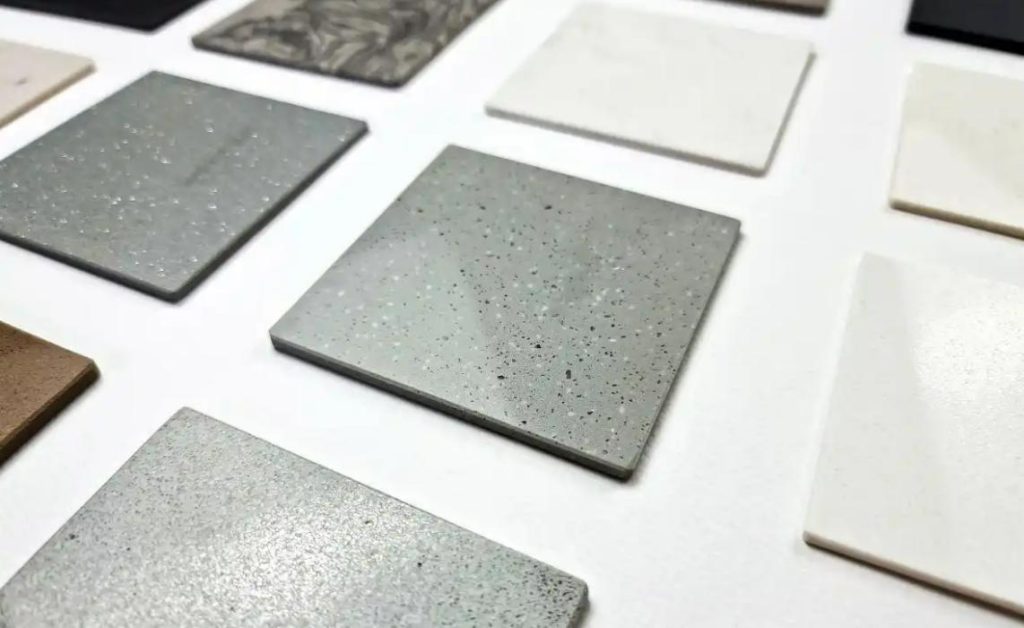
Sandblasting cleans up the aluminum surface after machining. Tool lines, minor oxidation, and surface inconsistencies all get removed, leaving a consistent matte texture across the whole part. That uniformity is what makes the subsequent plating step work well.
Electroless nickel plating then deposits a dense, even coating over that prepared surface. Because it’s electroless rather than electroplated, the coating follows the geometry of the part, corners, recesses, and angled faces all get the same thickness. For a part with this many angled surfaces, that even coverage is exactly what’s needed.
What the Finished Part Looks Like?
The sandblasted base slightly softens the natural brightness of nickel, so the final surface sits between a mirror finish and a fully matte look: clean and professional without being flashy.
More importantly, the nickel layer adds genuine protection: better scratch resistance, corrosion resistance, and long-term surface durability compared to bare aluminum. moisture is common. However, it’s important to note that while anodized aluminum is highly resistant to corrosion, the underlying aluminum can still corrode if the anodized layer is damaged or compromised. Regular maintenance and care can help prolong the lifespan of black anodized aluminum surfaces.