

You may have ordered metal parts only to be told they need secondary machining before they can be assembled. At that point you may have pondered if that extra step is truly necessary. The quick answer is yes most of the time. You can get close to the final geometry with casting, but “close” isn’t good enough when pieces have to seat well, seal right or take load.
This article explains why gravity casting and CNC machining are so often paired, which features usually need secondary machining, and what the entire manufacturing process looks like from beginning to end. If you are working on a first-time sourcing project, or examining an existing supply chain, this is a combo that will help you make smarter judgements.
Why Combine Casting and CNC Machining?
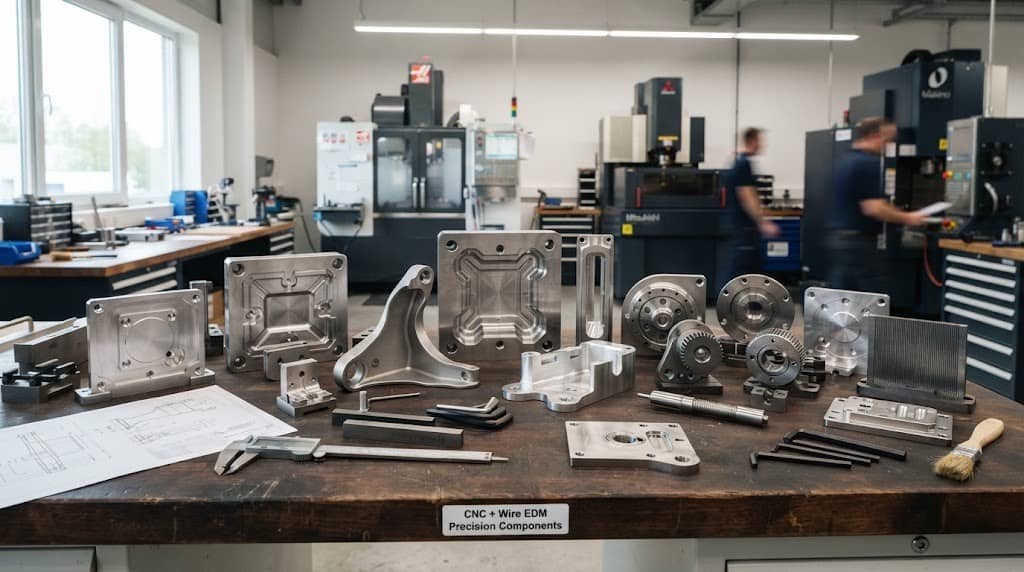
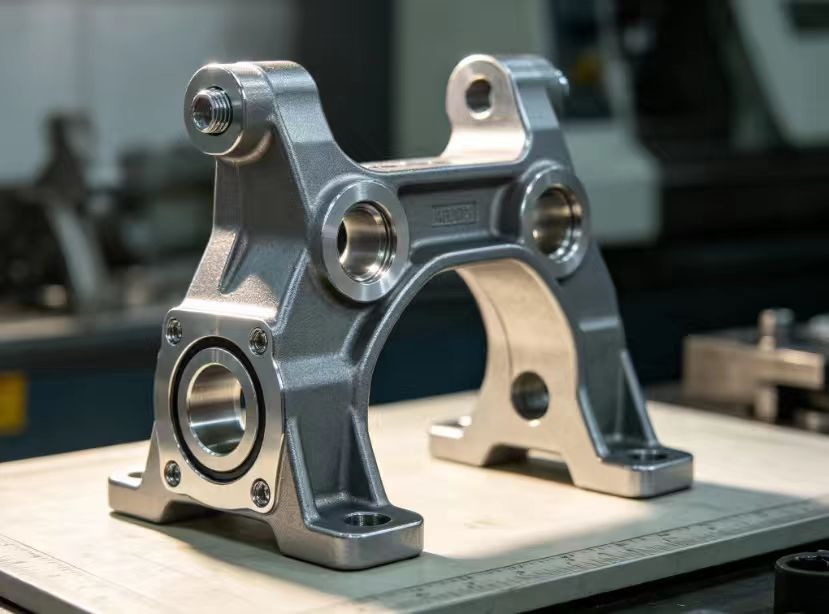
Gravity casting and CNC machining are frequently regarded as two different manufacturing processes, however in actual production, they are often utilized simultaneously. Gravity casting is a fast and effective way to get the basic shape of an item and CNC machining gives you the precision needed on crucial aspects. By combining the advantages of both techniques, producers can make a sensible trade off between manufacturing cost and dimensional precision.
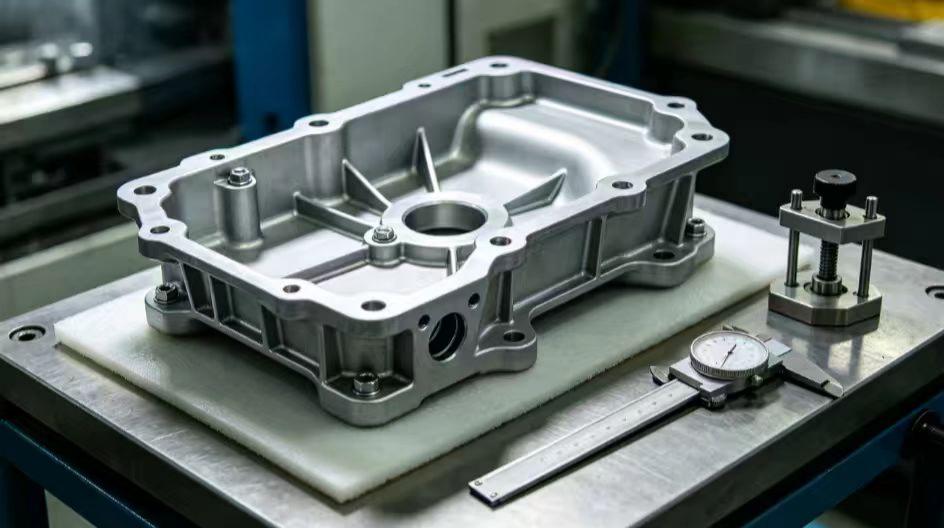
Gravity Casting
The reason to start with casting comes down to geometry and efficiency. Gravity casting is the process of pouring molten metal into a permanent mould under its own weight. It is particularly suitable for parts with relatively complex geometries, internal cavities formed by cores, and stable wall sections.
This method yields near-net-shape components that require substantially less raw material and machining volume than from solid billet stock. For medium to large manufacturing numbers that means immediately lower cost per part. Aluminum gravity casting production is especially common in automotive housings, motor covers, and industrial equipment components, where part complexity would make solid machining prohibitively expensive.
CNC Machining
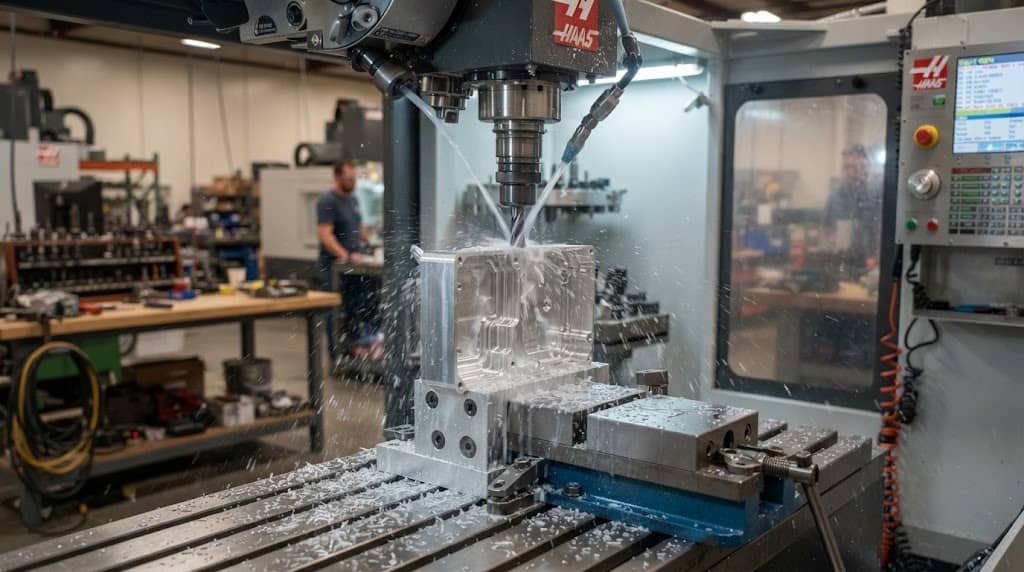
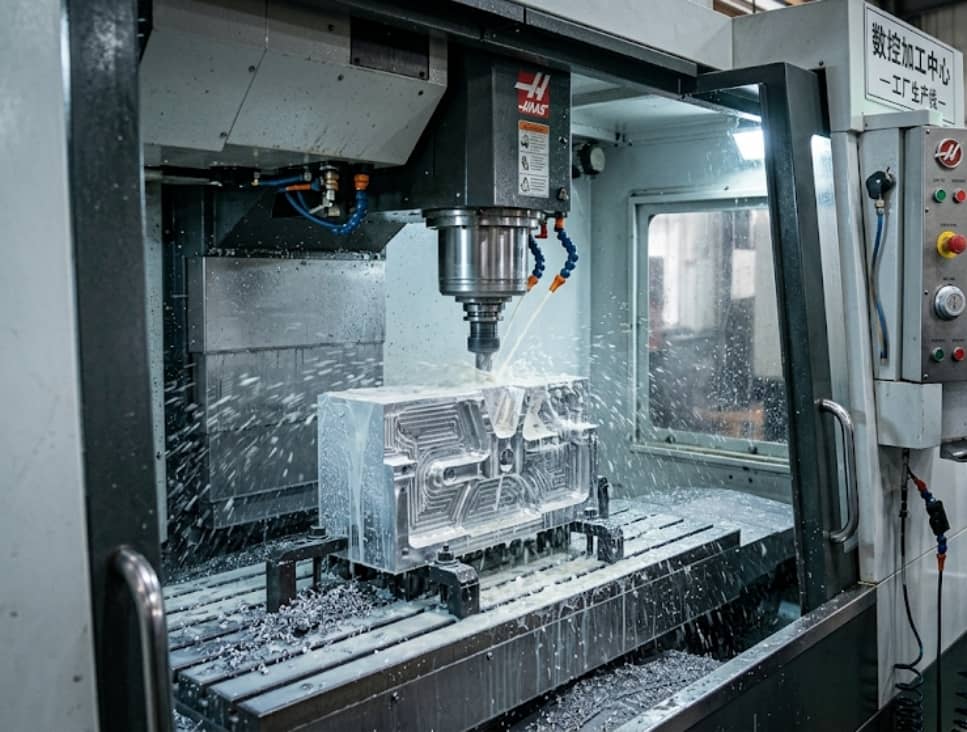
What CNC machining adds is dimensional precision and functional surface quality. Casting tolerances are limited by mould wear, thermal shrinkage during solidification, and the consistency of the metal filling the mould from pour to pour. The natural variation in the gravity casting process is just too broad to permit many important surfaces to be used as-cast.
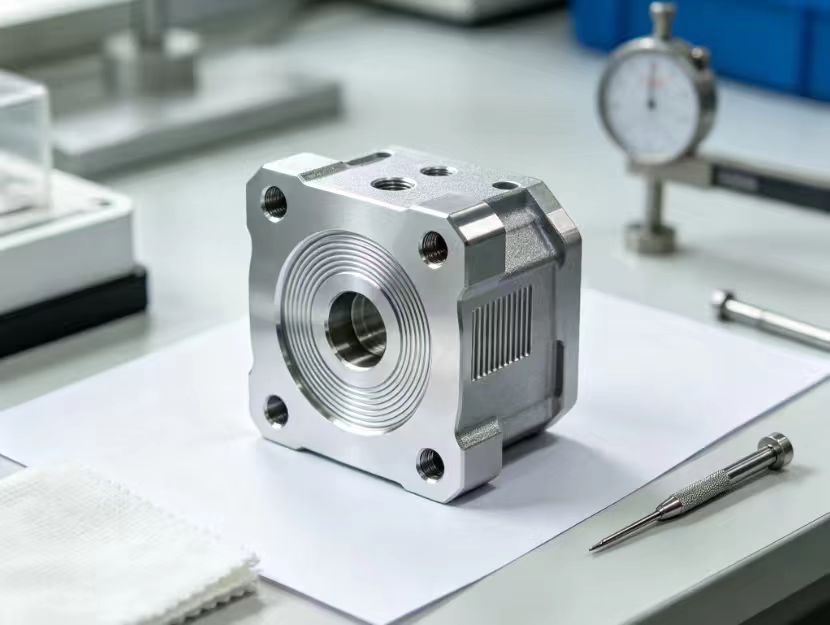
Post-casting CNC machining brings these features to their final dimensions and surface finish. It also produces precision features such as tight-tolerance bores, drilled holes, and tapped threads that are difficult or impractical to achieve directly through gravity casting. An experienced manufacturer also plans the machining sequence to reduce unnecessary setups and machines only the surfaces that require precision, helping control both machining time and overall production cost.
| Feature | Gravity Casting | CNC Machining |
| Main purpose | Create near-net-shape parts efficiently | Achieve precise final dimensions |
| Best for | Complex shapes and production volume | Critical surfaces and tight tolerances |
| Strength | Material efficiency and cost control | Accuracy and surface quality |
| Limitation | Limited dimensional precision | Higher cost for complex or high-volume machining |
Which Parts Need CNC Machining After Casting?
Not every surface of a casting has to be machined. The practical goal is to machine only what matters for function or fit and leave the rest as-cast. In most projects, three categories of features consistently require secondary operations.
Critical Assembly Features
- Mounting surfaces: Flat faces where the part bolts to a mating component need to be machined flat and parallel. As-cast surfaces carry enough variation from draft angles and solidification to cause misalignment if left untouched.
- Alignment features: Pilot bores, datum bosses and locating surfaces needed to locate the part in an assembly need tighter positional tolerances than can be achieved by casting alone.
Connection Features
- Holes: Through-holes and blind holes are typically pre-formed as cores during casting, then brought to final diameter and finish by drilling or boring.
- Threads: Internal and external threads are almost never left as-cast. They are always machined or tapped after casting to provide a uniform thread form and stable load capacity.
Performance-Critical Surfaces
- Sealing surfaces: Flatness and roughness standards are quite tight for any surface that must seal against a gasket or O-ring. Small surface defects resulting from the casting process may lead to leaks in service, especially under pressure.
Casting tolerances are generally sufficient for non-critical areas, while the features above are typically finished by CNC machining to achieve the required dimensional accuracy and surface quality.
| Requirement | Gravity Casting Only | Gravity Casting + CNC Machining |
| Complex shape | ✅ | ✅ |
| Tight tolerance | Limited | ✅ |
| Smooth functional surfaces | Limited | ✅ |
| Cost efficiency | Best when precision requirements are low | Higher upfront cost but suitable for precision applications |
| Precision assembly | Depends on design requirements | More suitable |
How Does the Process Work?
The pattern of most operations that include casting and machining is similar. Understanding every step of the process enables you to set expectations for lead time, cost and where quality control is most important.
Step 1: Gravity Casting Creates the Basic Shape
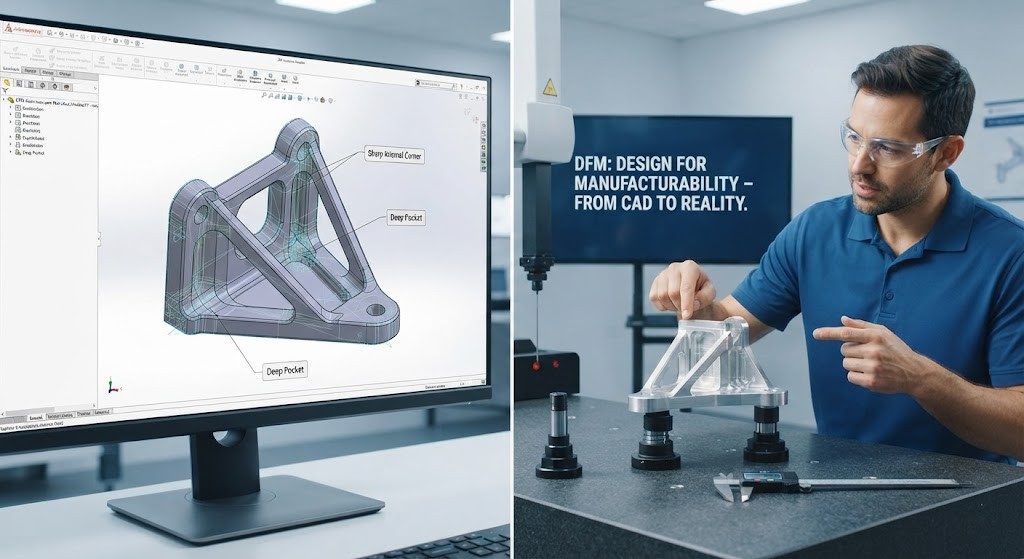
Mold design and casting produce the initial component. A well-designed mold includes machining allowances on all surfaces that will be machined later, with gates and risers positioned to minimize porosity in functional areas. The goal here is to reduce material waste and total machining workload, not to hit final dimensions.
Step 2: Cast Parts Go Through Inspection and Preparation
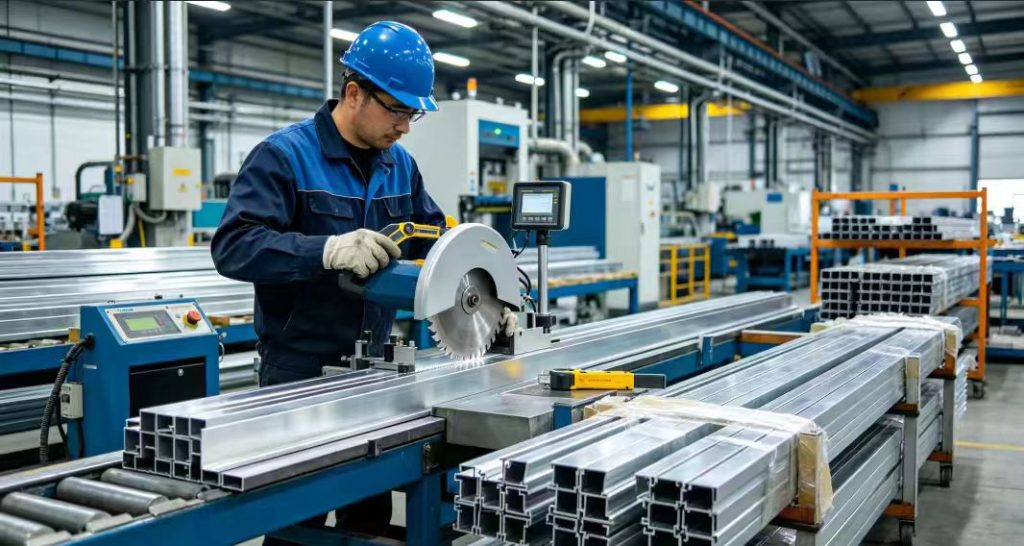
Before machining begins, cast blanks are inspected. Gates, risers, and other excess material are trimmed and items are inspected for compliance to dimensions and surface conditions. This lets you identify concerns like as shrinkage porosity or warping that would otherwise eat up machining time on items that would never satisfy final specifications.
Step 3: CNC Machining Creates Final Features
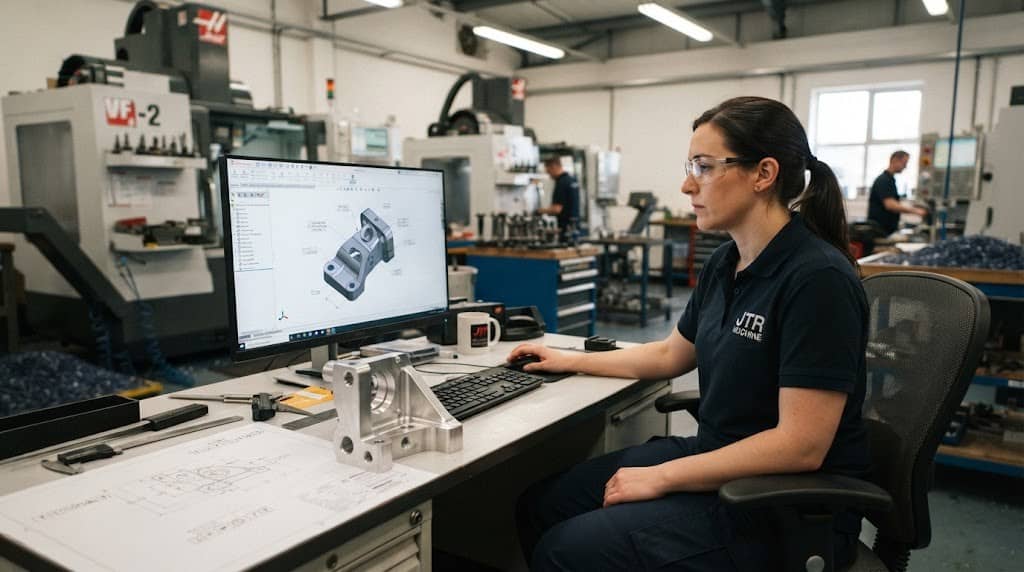
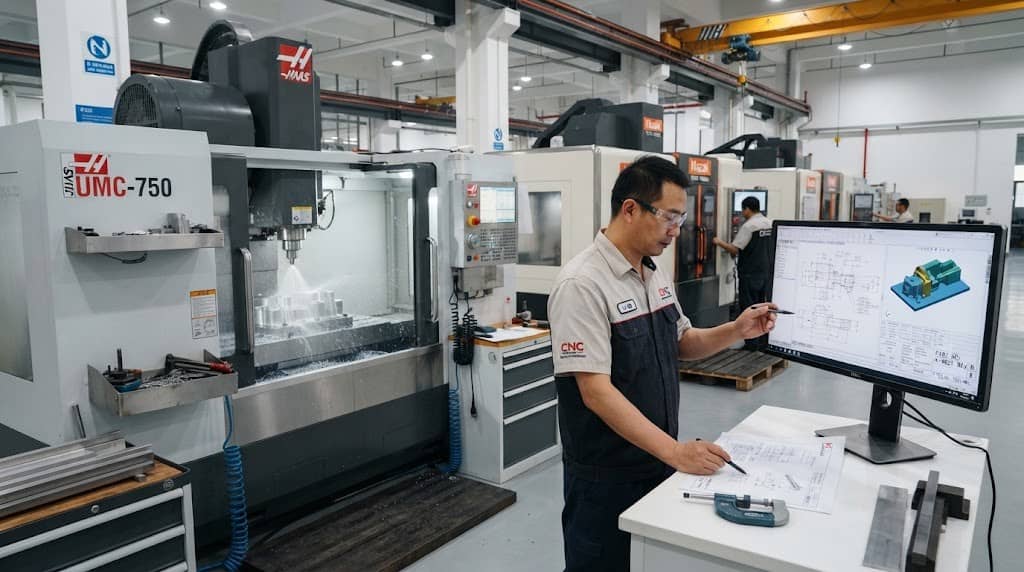
Machining is executed according to engineering drawings, with critical areas receiving the required tolerances and surface finishes. This is where equipment capability and fixturing quality make a direct difference in output consistency across a production run.
Step 4: Final Inspection Before Delivery
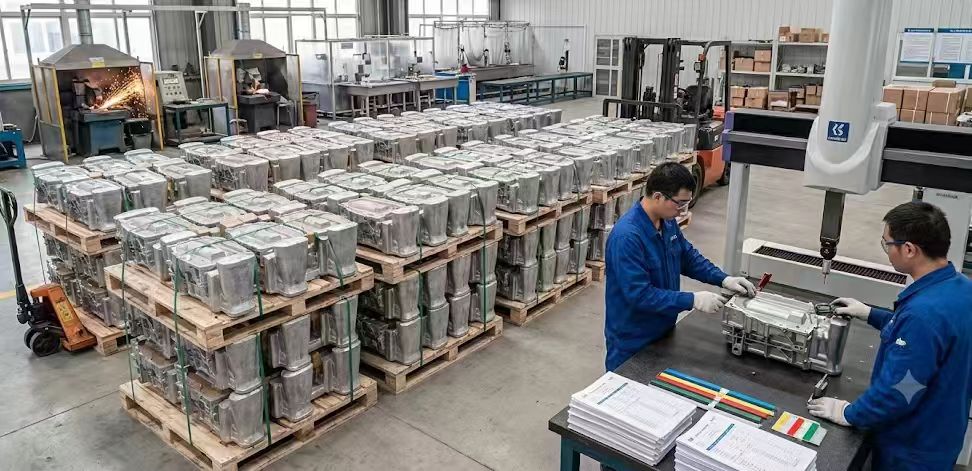
Finished parts are verified against dimensional requirements, appearance standards, and functional checks such as thread gauge verification or leak testing where applicable. Documentation is prepared and parts are packed for shipment.
Choosing the Right Manufacturing Partner
If you are purchasing gravity cast parts that also require machining, the supplier connection is more important than you may initially think. Some things to consider before settling on a vendor:
- Experience with both processes: A team that understands casting will design better machining allowances from the start. A machining team that understands how castings behave will anticipate common issues rather than being surprised by them.
- Ability to control machining allowance: Consistent machining allowance across a production run depends on casting process stability. Without that stability, machining becomes unpredictable and rework rates climb.
- Consistent inspection standards: Each process step should have defined inspection checkpoints, not just a final dimensional check at the end.
- Integrated manufacturing capability: A supplier with both capabilities can reduce coordination overhead and gives you a single point of accountability for part quality throughout the whole process.
JTR provides both gravity casting and CNC machining services in-house. That means casting mold design already accounts for downstream machining requirements, and inspection is continuous rather than split between suppliers. For buyers evaluating a china CNC machining service that also covers casting, having this integration in place tends to reduce surprises in both quality and lead time.
Combining Casting and CNC for Better Performance
Gravity casting and CNC machining are not competing choices. They are complementary steps in a single production strategy. Casting handles the geometry efficiently; machining delivers the precision the application actually needs. Together they offer something neither process achieves on its own: a cost-effective path to functional, dimensionally accurate parts.
If your parts have complex shapes but also require tight tolerances or precision assembly features, the gravity casting plus CNC machining route is very likely the right one. JTR‘s gravity casting capabilities, combined with in-house CNC machining, cover the complete sequence from mold design through finished part delivery. Contact us to discuss your project requirements and get a free quote.