

Many consumers arrive at assembly with a set of preconceived notions: that it’s easy work, that good parts equal a good finish, or that outsourcing means loss of control. These are natural assumptions, yet they can lead to bad decisions and unnecessary issues.
This article works through five of the most common myths about mechanical assembly services, explains what actually goes on during the mechanical assembly process, and offers a clearer picture of what quality assembly really involves.
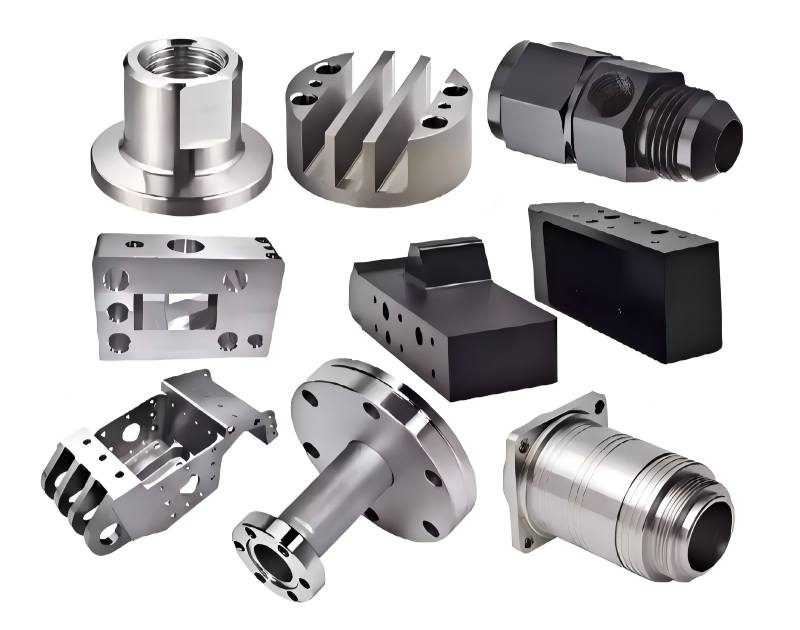
What Mechanical Assembly Services Typically Include
Mechanical assembly is more than just putting parts together. A typical assembly process goes through a number of different steps, each contributing to the end result:
- Component preparation: Parts inspection as per drawing before work starts. This covers dimensions, surface condition, and material documentation where required.
- Assembly operations: Joining operation via fastening, press-fitting, alignment, adhesive bonding, or other methods selected according to the product design.
- In-process inspection: Inspection during the build at specific phases, not only at the end.
- Functional verification: Testing the completed unit to ensure that it works as required.
- Packaging: Protecting finished assemblies for transportation, which is more critical than it is usually given credit for.
Assembly sits at the point in manufacturing where individual precision parts come together into something that actually works. The quality of everything upstream depends on this stage going right.
Myth 1: Assembly Is Simple Work That Doesn’t Require Much Expertise
Often, assembly is underestimated because it is hands on and often laborious. But in actuality various goods require very different techniques and there is a big difference between doing it decently and doing it brilliantly.
Hydraulic component requires proper torque on each fastener. A delicate enclosure may require careful handling to avoid contamination. An optical subassembly demands near-perfect alignment at every step. The tooling, the sequencing and the handling methods all have to be consistent with what the product actually requires.
Experienced technicians also have a good idea where to look for problems. A component that looks fine during a visual check can still cause a functional failure downstream if it is slightly out of position. Correct torque matters not just for holding strength but for long-term fatigue resistance.
This kind of practical knowledge takes time to build, and it is one of the real differences between assembly done by generalists and assembly done by people who have worked through enough products to develop reliable instincts.
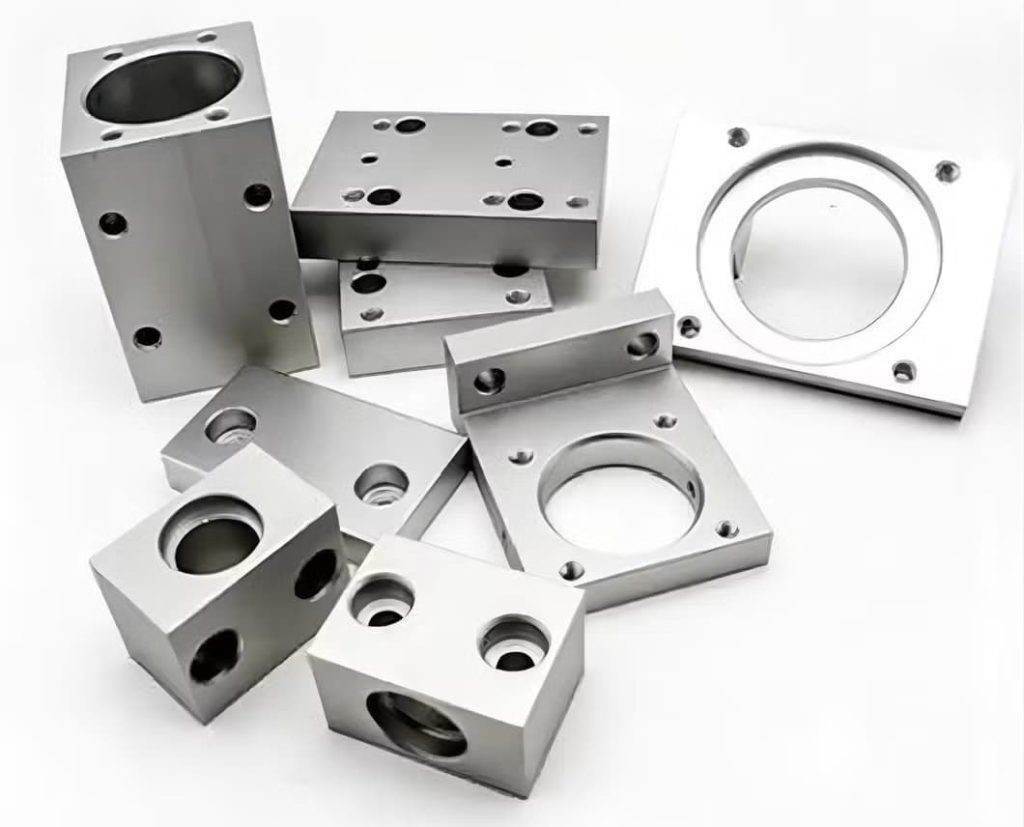
Myth 2: If Every Part Meets Tolerance, Assembly Problems Won’t Happen
This one surprises people when they first run into it. The logic seems solid: if every individual part passes inspection, the finished assembly should be fine. But that is not always how it plays out.
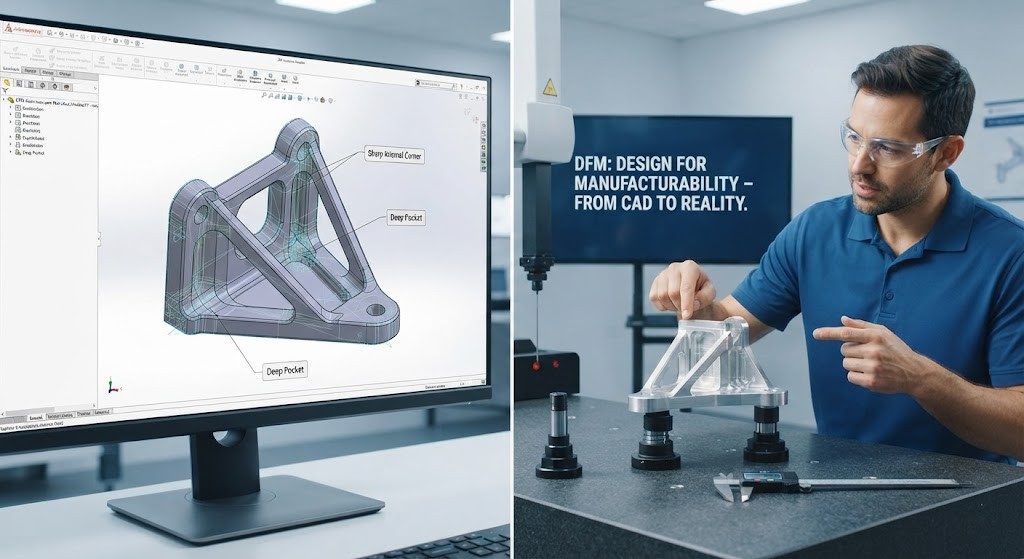
The reason comes down to what is commonly called tolerance stack-up, or tolerance accumulation. When multiple components are assembled in sequence, each one brings its own small dimensional variation. Those variances can pile up in the same direction, pushing the final assembly outside allowable limits even though every individual element was within spec. Tolerance analysis is a well established engineering tool used to predict and manage this risk at the design stage but does not eliminate the necessity for strict process control during assembly itself.
Beyond stack-up, there are other sources of assembly errors that have nothing to do with part quality. A component installed in the wrong orientation will pass all dimensional checks but fail in use. A seal or fastener left out during kitting creates a defect that no amount of part-level inspection would catch. Steps performed out of sequence can create interference or prevent proper seating that only shows up later.
This is why assembly quality control cannot be reduced to incoming inspection alone. The process has to be set up to avoid these errors in the first place, including component verification before work begins, standardized operating procedures, trial fitting when applicable and functional testing at the conclusion.
| Assembly Error | Typical Cause | How It Can Be Prevented |
| Misalignment | Tolerance accumulation or incorrect positioning | Fixtures and alignment checks |
| Loose fasteners | Incorrect torque | Torque-controlled tools |
| Missing components | Incomplete kitting | Pre-assembly verification |
| Wrong assembly sequence | Lack of standardized instructions | SOPs and operator training |
| Functional failure | Insufficient testing | Final inspection and functional testing |
Myth 3: Outsourcing Mechanical Assembly Means Losing Quality Control
That is a fair issue. When you outsource the assembly it can feel like you lose visibility to what is happening. Indeed, good assembly services tend to have more formalized quality procedures than smaller in-house teams, as quality consistency is at the core of what they are delivering.
In a professional assembly setting, quality control is part of the whole process, not something that is done at the end. The usual includes:
- Incoming material verification: Components are verified to meet specifications prior to assembly.
- In-process inspection: Inspection of critical dimensions and conditions at designated points in the build.
- Final functional testing: Checking that the assembled product works as intended before shipping.
- Traceability and inspection records: Recording results, lot numbers and process information as requested by customer or industry.
Suppliers with ISO 9001 certification typically maintain documented quality management processes. If mechanical assembly is included within the certified scope, these processes generally cover assembly activities as well, helping improve consistency and traceability. That kind of structured approach is often difficult to replicate with informal in-house processes, particularly for smaller production volumes.
Myth 4: Assembly Quality Depends Only on the Workers
Skilled operators remain essential, but consistent assembly quality should not depend solely on individual experience. A well-designed assembly process uses standardized work instructions, fixtures, calibrated tools, and quality checks to ensure repeatable results regardless of who performs the work.
The real keys to consistent assembly are standardized work instructions, appropriate jigs and fixtures, calibrated tools, structured operator training, and continuous quality improvement.
Clear instructions, supported by photos or drawings where needed, help ensure every operator follows the same process. Jigs, fixtures, and calibrated tools reduce variation by making critical steps more repeatable.
Equally important is a culture of continuous improvement. Tracking assembly errors and analyzing recurring issues helps prevent the same problems from happening again.
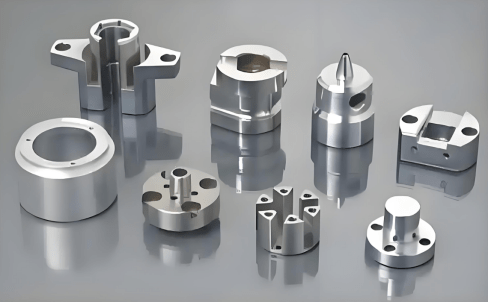
Myth 5: Assembly Services Only Make Sense for High-Volume Production
If you think you only outsource assembly when you are doing it at scale, you’re missing a lot of real-world scenarios when it’s adding actual value.
Prototype and pilot builds also benefit from a flexible external partner that can handle frequent design changes without affecting a production plan.
The expense of low-volume customized orders rarely makes it worthwhile to put up dedicated in-house capability. Outsourcing might be an advantage for mid volume production if your domestic resources are already stretched. And even high-volume programs sometimes use external assembly for overflow or as a complete production arrangement.
| Production Scenario | In-House Assembly | Outsourced Assembly |
| Prototype builds | May require additional setup | Flexible for frequent changes |
| Low-volume production | Higher labor utilization challenges | Cost-effective without dedicated assembly lines |
| Medium-volume production | Depends on available resources | Helps balance production capacity |
| High-volume production | Suitable with established lines | Useful for overflow or complete production programs |
Choosing the Right Assembly Partner
Price is an obvious factor but shouldn’t be the sole one. It is more relevant to evaluate if a supplier can consistently offer accurate results over varied product kinds and order volumes.
- Experience with similar products: Has the supplier assembled comparable products, worked with similar materials, or served the same industry?
- Documented assembly quality control procedures: Are their processes written down and consistently followed, not just described verbally?
- Integrated capabilities: Can they handle machining, fabrication, and assembly under one roof, reducing handoff risk between stages?
- Inspection and testing capabilities: What verification steps do they perform, and can they provide documentation when required?
- Flexible production capacity: Can they handle changes in order volume without quality suffering?
- Clear communication: Do they raise issues early and keep you informed throughout the project?
In general, a supplier that satisfies these requirements is a better long-term partner than one that just gives the lowest unit price.
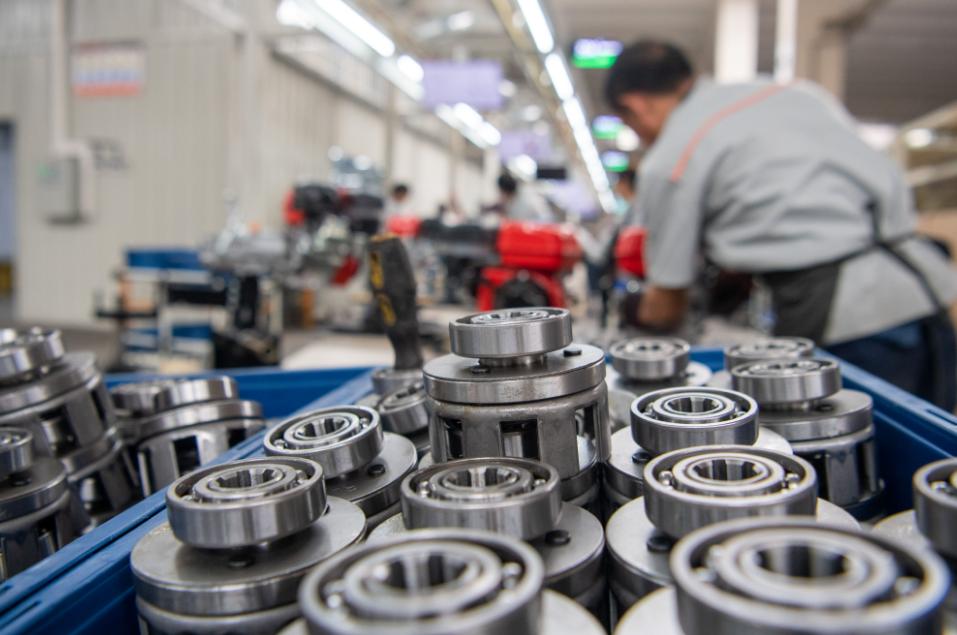
Looking Beyond the Myths
Assembly is often treated as the last step and the least complicated one. But what happens during mechanical assembly can determine whether a product succeeds or creates problems in the field. Understanding where assembly errors actually come from, and what good assembly quality control looks like in practice, helps buyers make better decisions from the start.
At JTR Machine, we handle assembly alongside our CNC machining and fabrication services, which means we can catch part-level issues before they become assembly problems. If you are planning a project and want to talk through what the assembly process would look like, contact us to discuss your project.