
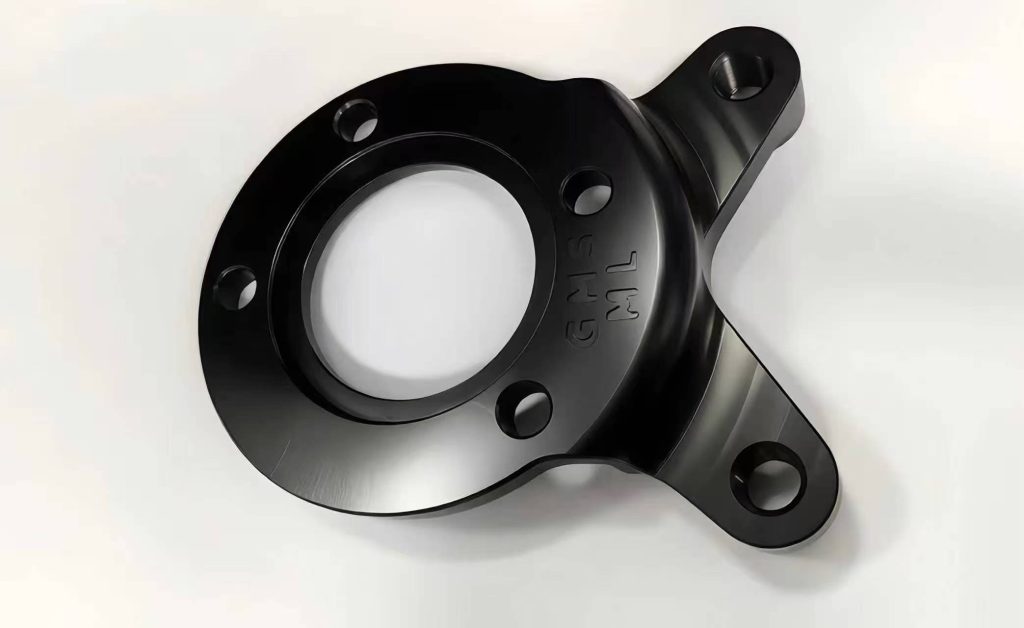
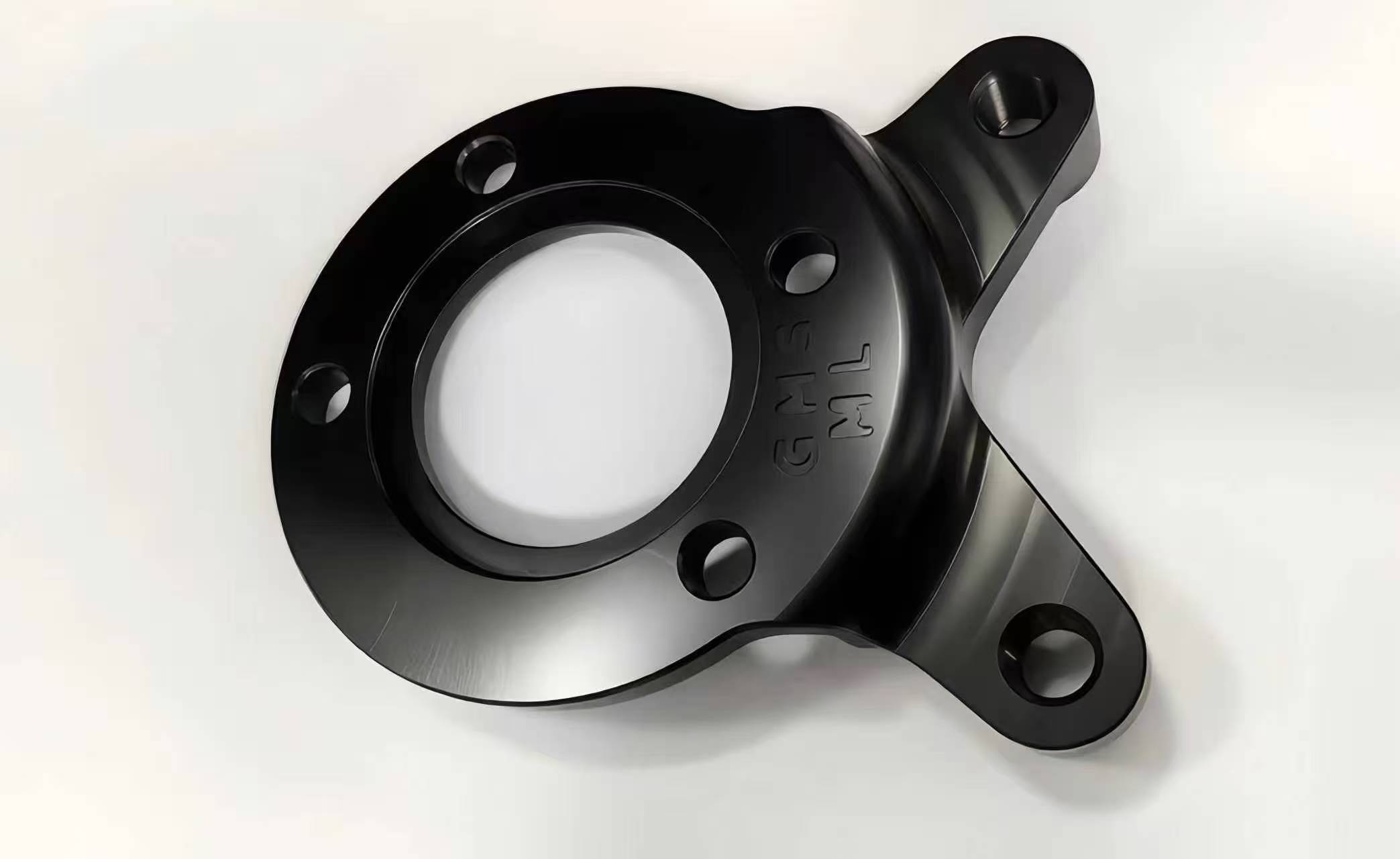
CNC Machined Aluminum Part with Yellow Zinc Plating
- Material: AL7075-T6
- Size: 114.400X31.731X133.600 mm
- Process: 3-Axis CNC Machining
- Surface treatment: Yellow zinc plating
The Challenge of Machining 7075
AL7075-T6 is one of the strongest aluminum alloys available for machined components.
Its high zinc and magnesium content gives it a strength-to-weight ratio that competes with mild steel, which is why it shows up in aerospace structures, high-performance tooling, and demanding industrial applications.
The T6 temper pushes its mechanical properties to their peak through heat treatment and controlled aging.
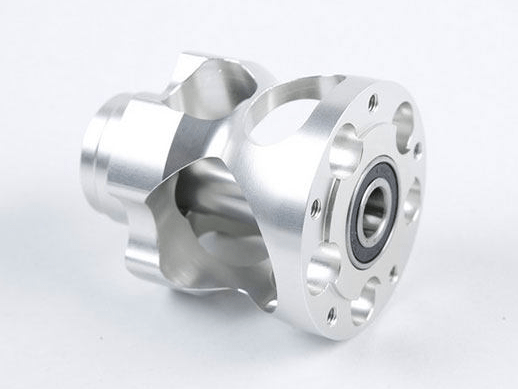
7075 is noticeably more demanding to machine than softer grades like 6061. A few reasons for that:
- Tool wear: The alloy’s hardness accelerates cutting tool wear more than standard grades
- Thermal sensitivity: Heat buildup during cutting needs to be managed carefully to avoid surface degradation
- Deformation risk: Internal stresses from rolling and heat treatment can release unevenly as material is removed, causing thin sections to bow or twist if machining strategy isn’t well-planned
Managing deformation on a part this size (114X133 mm footprint) requires thoughtful fixturing and a cut sequencing strategy that keeps residual stresses balanced throughout the process.
What Yellow Zinc Plating Does
Yellow zinc plating, technically electroplated zinc with a yellow chromate passivation layer, is a well-established corrosion protection treatment for metal components.
| Layer | Function |
| Zinc | Sacrificial barrier, corrodes preferentially, protecting the base metal beneath |
| Yellow chromate passivation | Slows further zinc oxidation, adds the characteristic gold-yellow iridescent color |
The sacrificial mechanism is what makes zinc coatings particularly effective for long-term protection.
If the surface gets scratched, the zinc around the damaged area corrodes first, continuing to protect the underlying aluminum rather than leaving it exposed.
Dimensional Impact
One practical advantage of zinc plating for precision machined parts is its thin deposit, typically just a few microns. That means the tight tolerances achieved during CNC machining are effectively preserved after plating, with no need for rework or compensation.
For a high-strength part with critical dimensions, keeping the finish from interfering with the geometry is an important consideration.ized layer is damaged or compromised. Regular maintenance and care can help prolong the lifespan of black anodized aluminum surfaces.