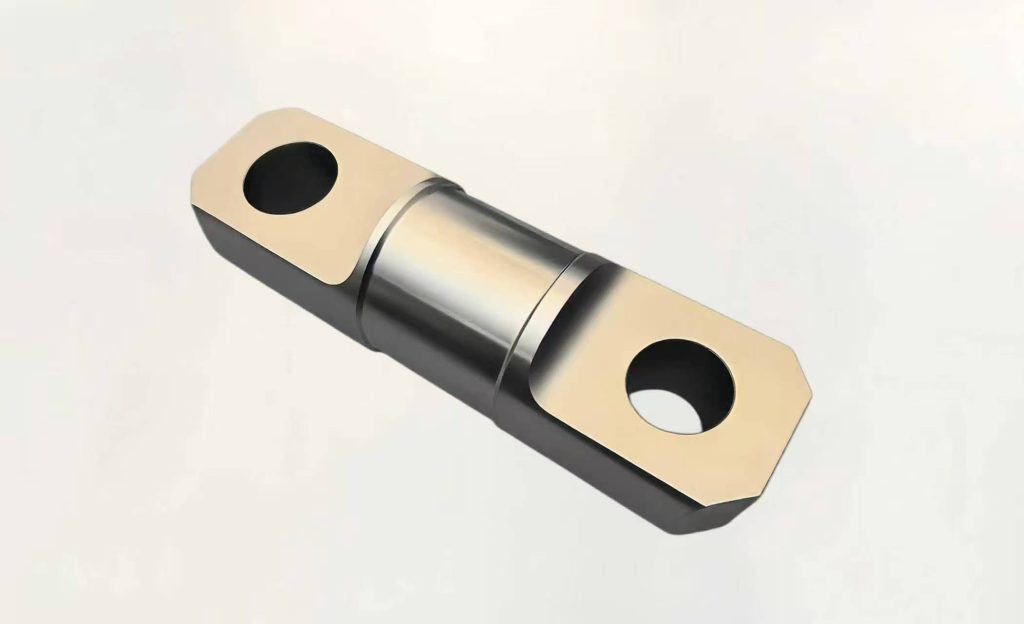
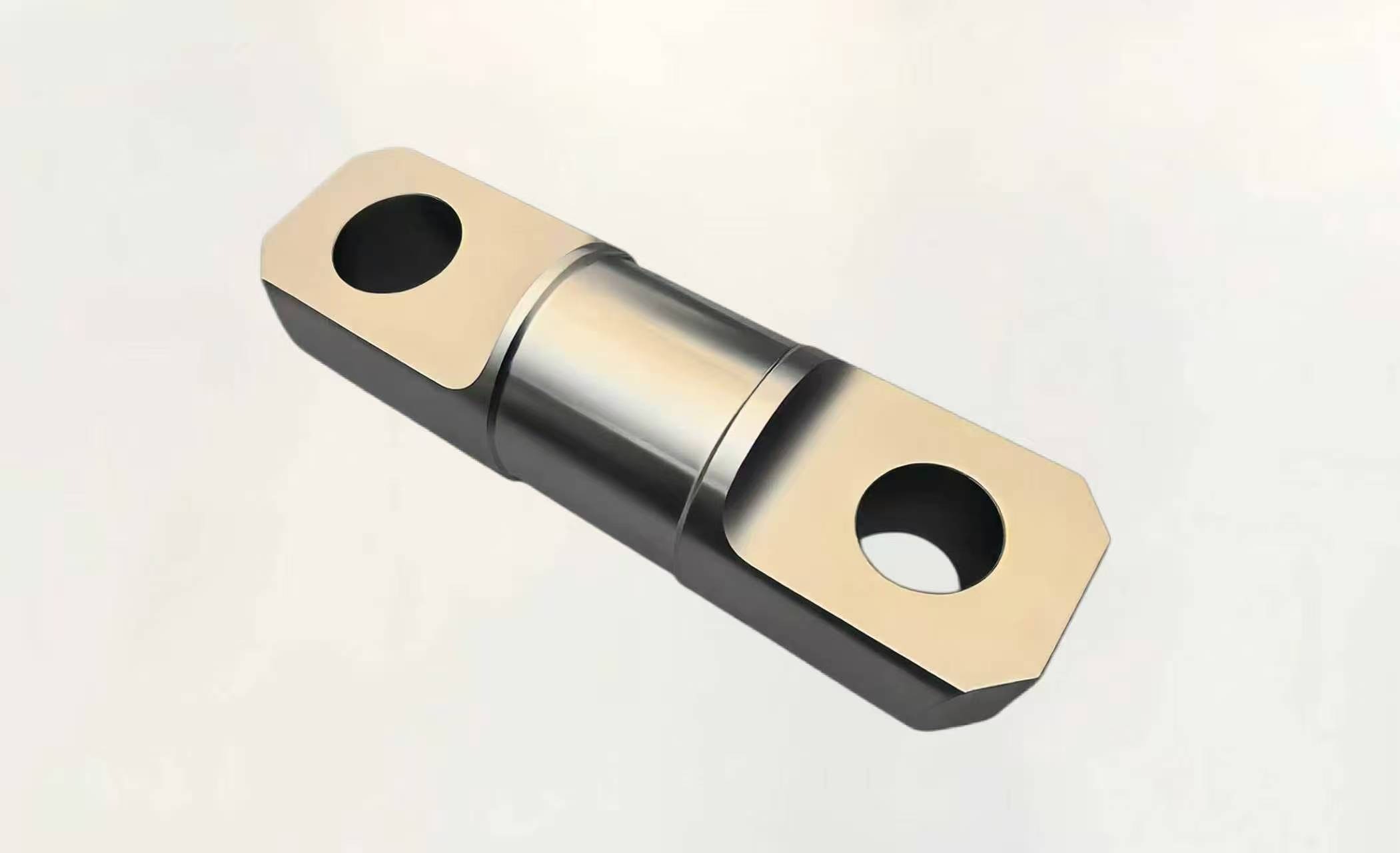
CNC Turning and Milling Heat-Treated Steel Shaft with Nickel Plating
- Material: 4140 Steel, Heat Treated
- Size: D103*348
- Process: CNC Turning and Milling
- Surface treatment: Nickel plating
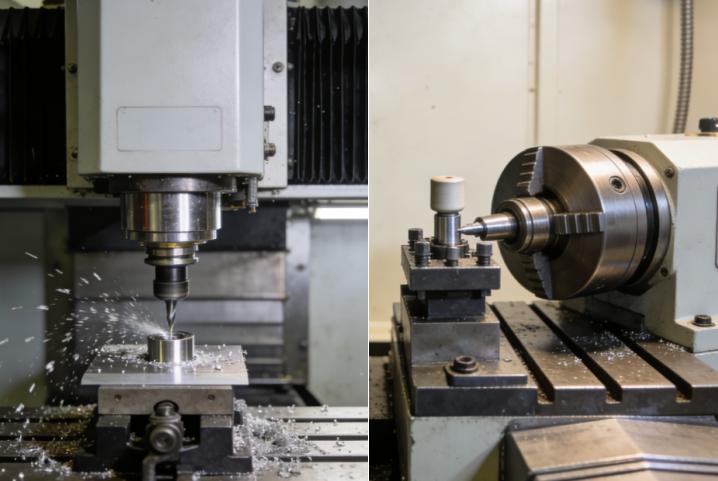
Turning + Milling: A Combined Approach
This part is produced through a combination of turning and milling, which is a natural approach for cylindrical components with additional machined features.
| Process | What It Handles |
| CNC Turning | Main cylindrical profile, diameter, roundness, length |
| CNC Milling | Flats, keyways, holes, or other features around the body |
Using both processes on a single part isn’t unusual. It’s often the most direct route when the geometry doesn’t lend itself to either process alone.
The Role of Heat Treatment
For 4140, the standard treatment is quench and temper. Quenching rapidly cools the heated steel to lock in a hard martensitic structure; tempering then reheats it to a lower temperature to reduce brittleness and bring toughness back up.
The specific temper temperature determines where the final hardness and toughness balance lands which can be dialed in to suit the application.
One consideration is that heat treatment introduces some risk of dimensional change as internal stresses shift. Parts with tight tolerances are often finish-machined after treatment to correct any distortion that occurred during the process.
Why Nickel Plating for a Steel Part
Applied over the heat-treated and machined surface, nickel provides meaningful protection without undermining the dimensional work already done.
- Appearance: The bright, uniform finish gives the completed part a clean and precise look, which has practical value during incoming inspection and in visible subassemblies.de if the anodized layer is damaged or compromised. Regular maintenance and care can help prolong the lifespan of black anodized aluminum surfaces.
- Uniform deposition: Electroless nickel deposits evenly across the entire geometry, with no buildup at edges or thinning at recesses. For a turned cylindrical part, that consistency matters.
- Hardness: The nickel layer is harder than the steel surface it covers, adding wear resistance where the part contacts other components.
- Corrosion protection: Nickel is chemically stable and resists oxidation and mild chemical exposure well.