

Whether you’re designing a product, ordering CNC parts, or just working on a project in your garage, selecting the right metal finish is a big deal. The most popular are chromed and galvanized steel.
Both these coatings are used to stop metal from rusting, but they are quite different. Galvanized Steel is a zinc coating that prevents rust, without breaking the bank. Chromed metal is metal plated with a thin layer of chromium to give it extreme surface hardness, low friction, and a mirror-like shine.
Let’s dig into the exact differences between galvanized and chromed so you can make the right call for your next project.
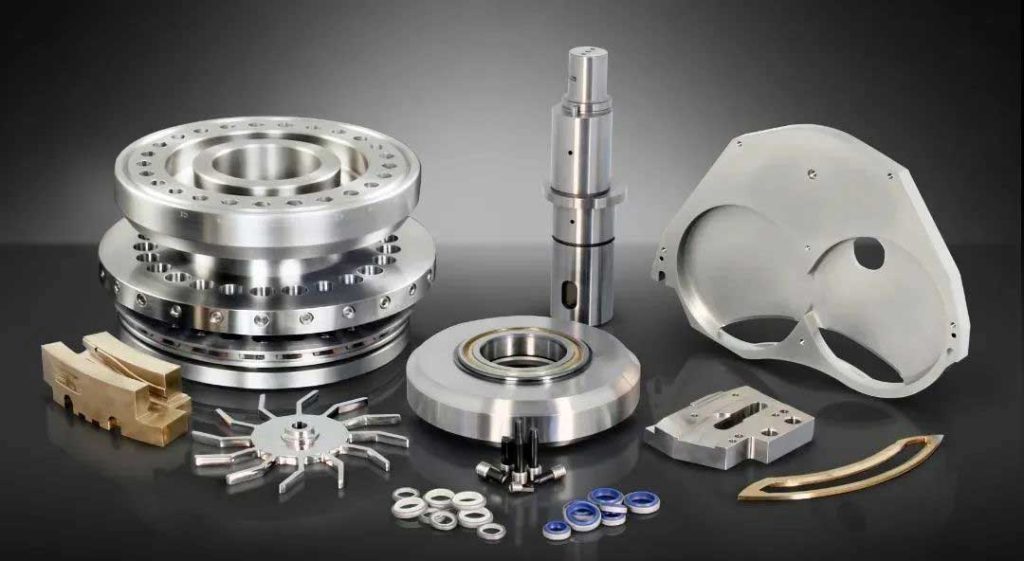
Summary Comparison: Galvanized vs. Chromed
If you are in a rush, here is the quick breakdown of how these two surface finishes stack up against each other:
| Feature / Property | Galvanized | Chromed |
| Primary Material | Zinc | Chromium |
| Main Purpose | Sacrificial corrosion protection & budget rust prevention | High hardness, wear resistance, & mirror-like aesthetics |
| Appearance | Matte silver-white, gray, or dull metallic with spangles | Bright, mirror-like, reflective white with a bluish tint |
| Hardness (HV) | Low to moderate | High (400 to 1200 HV for Hard Chrome) |
| Cost | Budget-friendly (Cheapest) | Premium (Most Expensive) |
| Typical Use Cases | Screws, outdoor structures, pipes, construction | Hydraulic rods, engine parts, automotive rims, premium tools |
What is Galvanizing?
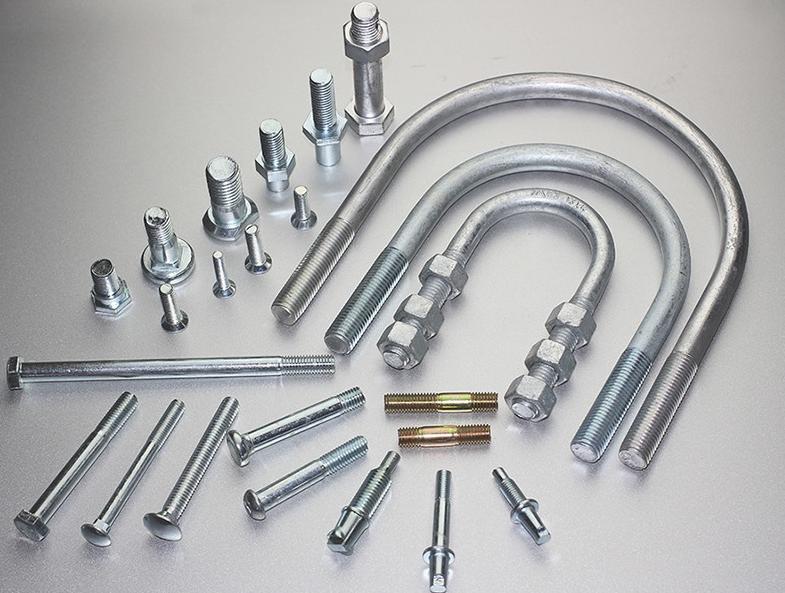
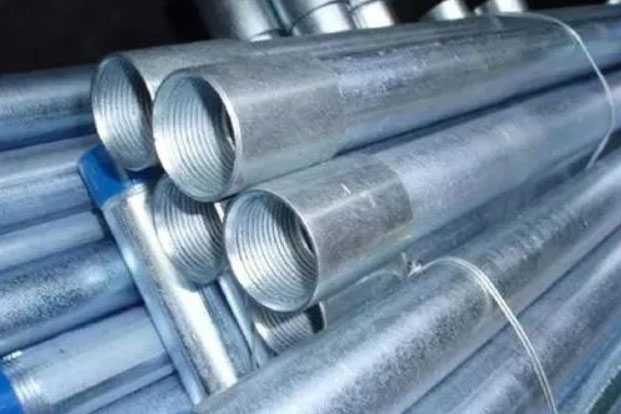
Galvanizing is the process of coating steel or iron with a protective layer of zinc. There are two main ways that shops do this: hot-dip galvanizing, where you dunk the steel into a vat of molten zinc, and electro-galvanizing, where you use an electrical current to apply the zinc layer.
The Big Benefits of Galvanizing
The coolest part about galvanizing is something called sacrificial protection. Chemically, zinc is more reactive than iron. This means that if the surface is scratched or dinged, the zinc sacrifices itself and corrodes first, leaving the underlying steel totally safe.
Plus, it is very cost-effective. If you have thousands of large steel beams or outdoor brackets to protect from the rain, galvanizing is almost always the cheapest route to go.
The disadvantage
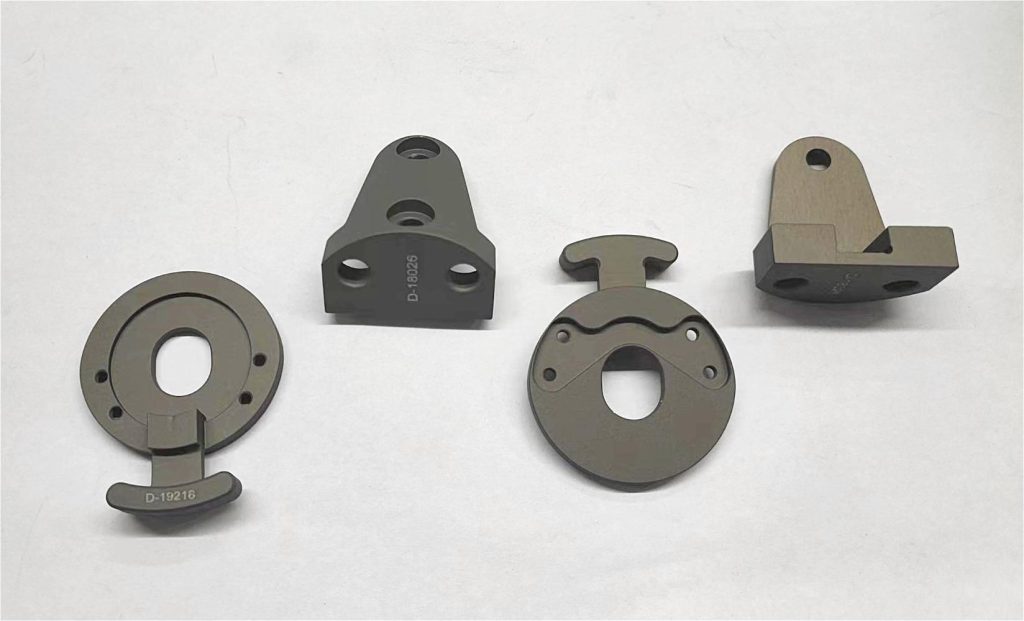
It doesn’t look promising. Galvanized steel is usually a dull grey matte finish and is often covered in a crystalline pattern called spangles. It is a bit soft, so if it rubs against other moving parts, it will scratch easily. And finally, zinc is not very acid-resistant, so it won’t do well in a very acidic chemical environment.
What is Chrome Plating?
Chrome plating (or simply chrome) is a process of electroplating a thin layer of chromium onto a metal object.
Decorative Chrome and Hard Chrome
You also need to know that there are two completely different types of chrome plating used in manufacturing:
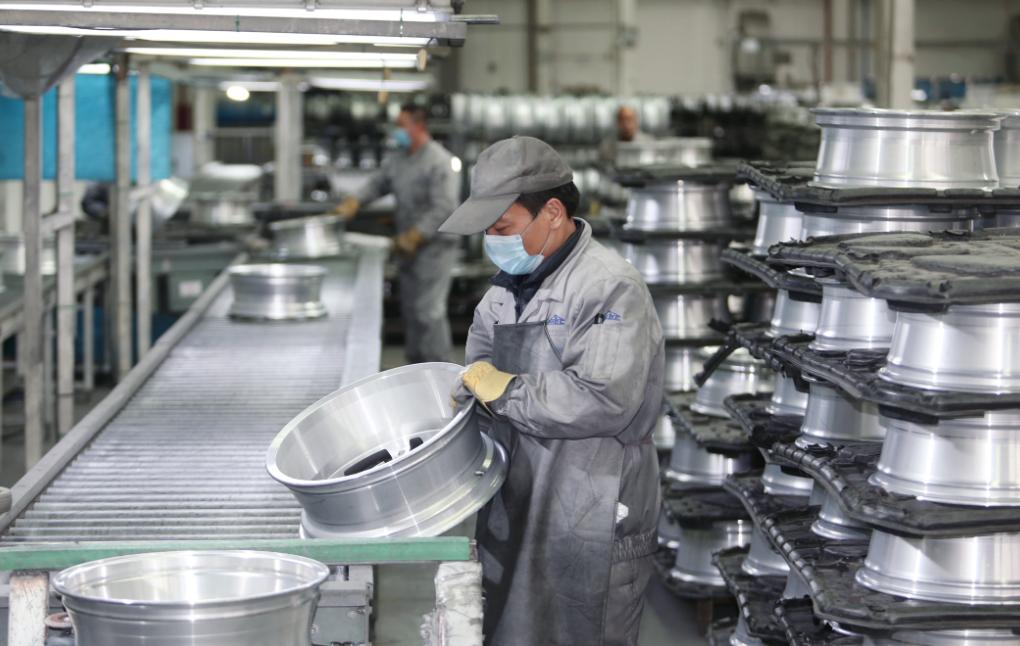
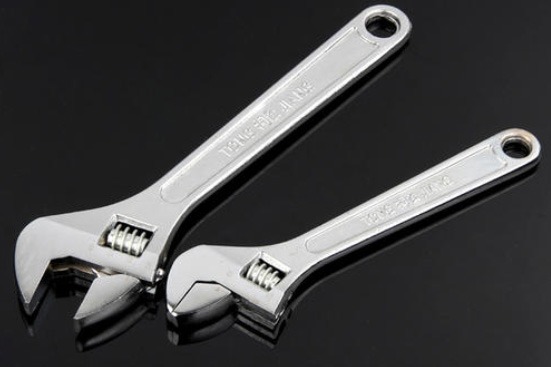
- Decorative Chrome: This is a very thin chrome layer on top of a base layer of nickel or copper. Its main function is to look pretty and shiny. You see this on car rims, motorcycle parts, and bathroom faucets.
- Hard Chrome: This layer is much thicker and is otherwise known as industrial or functional chrome. It’s not for looks, it’s for performance. Hard chrome provides extreme industrial hardness (400 to 1200 HV) and can withstand temperatures up to 500°C without softening.
The Big Benefits of Chrome
Chrome is so tough and slick. It reduces friction, which is why it is used on moving parts such as hydraulic cylinder rods and piston rings. It also has good chemical stability against alkalis and most organic acids. It retains its bright and reflective appearance for a long time.
The Negatives
Chrome plating costs a fortune. The chemical baths require strict environmental controls, the prep work is labour-intensive, and the process takes longer. It is also prone to micro-cracking under high impact and does not respond well to strong halogen acids such as hydrochloric acid.
4 Critical Differences: How to Choose?
1. Visuals and Aesthetics
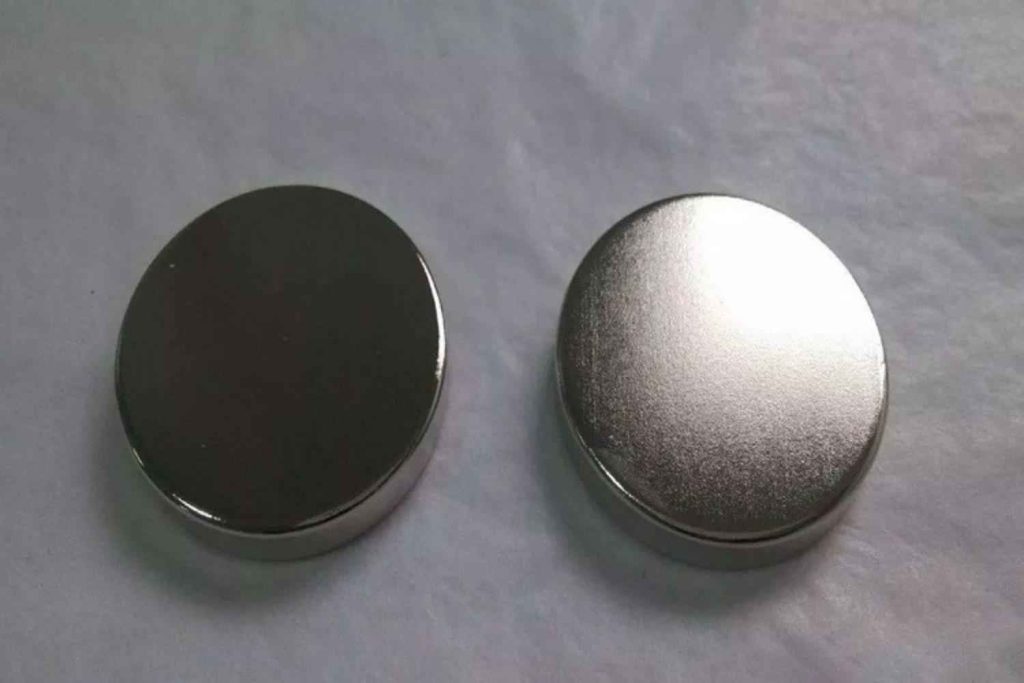
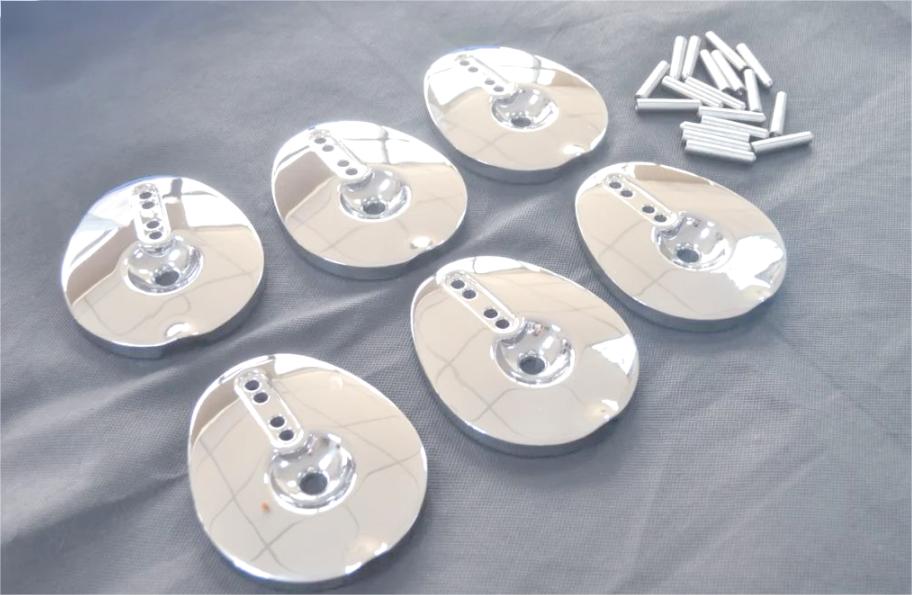
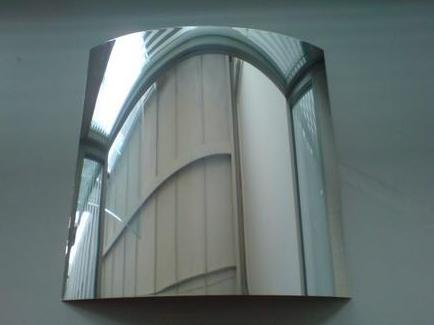
Chrome wins by a mile if looks matter. Chromed surfaces have a high-quality, bright mirror finish with a slight blue tinge. Galvanized surfaces look industrial and rugged. They are flat and grey. You use Chrome for consumer products; you use galvanizing for industrial utility.
2. Hardness and Wear Resistance
If your part is going to be in constant friction, don’t use galvanizing. Zinc is a soft metal and will wear away rapidly. Hard chrome is one of the hardest surface treatments on the market in manufacturing. It provides excellent wear resistance to moving mechanical assemblies.
3. Stability of environment
Galvanized steel is useful for outdoor construction, plumbing, and structural beams. Rocks may scratch it, the weather beats it up, but the zinc sacrifice keeps stopping rust. Chrome works great indoors and in oil-soaked engine bays, but if a harsh outdoor environment chips the chrome layer, the steel underneath will rust quickly.
4. Manufacturing Cost & Process
Galvanizing is the winner if you’re on a tight budget. It is suitable for mass production by bulk dipping or barrel plating. Chrome plating is a high-end finish that requires precision rack setups, multiple chemical cleaning steps, and expensive materials.
The decision between the two of them relies on what you are using it for:
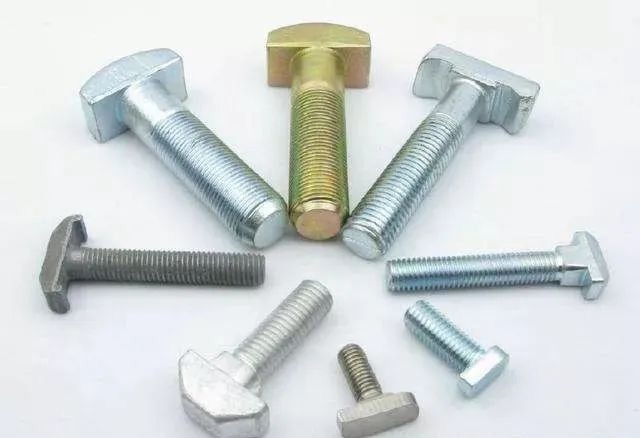
- Select galvanized for low-cost, extended rust protection on outdoor structures where appearance is not a factor.
- Choose Chromed if you want high hardness, low friction, scratch resistance, or a premium look for mechanical parts or consumer goods.
If you require professional advice or surface finishing on your custom CNC machined parts, please do not hesitate to contact our team today for an easy quote.
FAQ: Frequently Asked Questions
Q1: Which is better for preventing rust, galvanized or chrome?
A1: Galvanized steel is better for outdoor weather exposure because of the sacrificial protection. Chrome works well for rust prevention indoors or mechanically, where you want wear resistance and looks.
Q2: Can you plate galvanized steel with chrome?
A2: No, it is bad. Chrome plating requires a very smooth, clean substrate to adhere properly. Galvanized steel is too rough and uneven, and chemically incompatible with the standard chrome electroplating baths.
Q3: Why is chrome plating more expensive than galvanizing?
Q3: What are the benefits of galvanizing vs. chrome plating? A3: Chrome plating uses hazardous chemicals (e.g. hexavalent chromium) that require strict environmental regulation, more manual labour to prepare parts and multiple layers of plating (copper, nickel and chrome). Galvanizing can be done quickly in bulk.