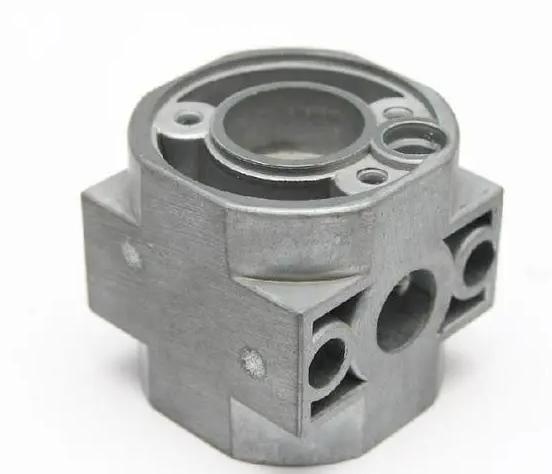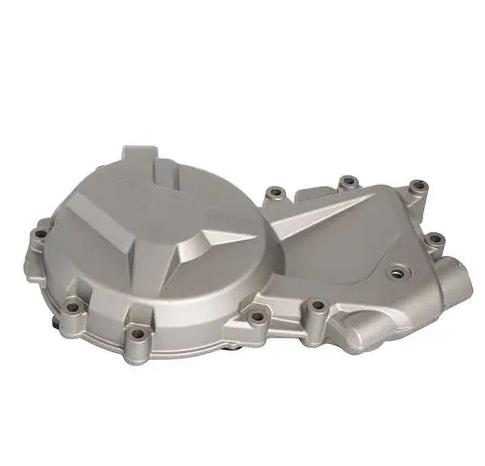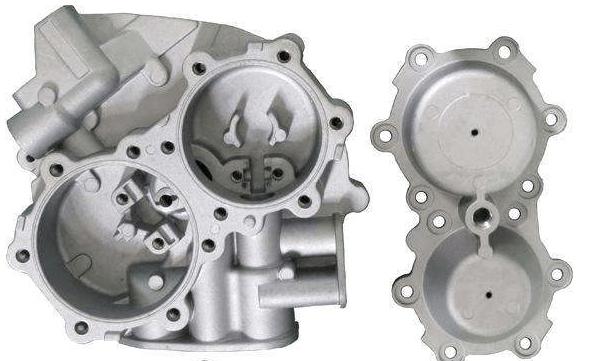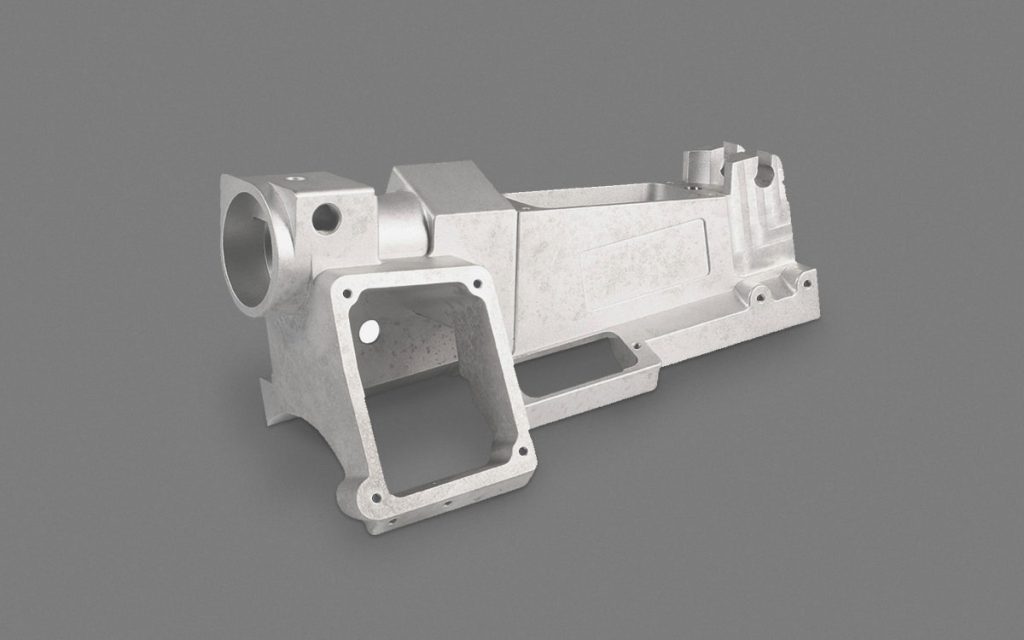


If you are trying to figure out the best way to manufacture precision metal parts that are both strong and cost-effective, you need to talk about Zamak die casting. Zamak is a family of zinc-aluminum alloys that have completely changed how we make everything from car door handles to intricate electronics housings. This article breaks down exactly what Zamak is, contrasts the different material grades like Zamak 3 and Zamak 5, outlines the 8-step injection process, and covers the pros and cons you need to know before kicking off production.
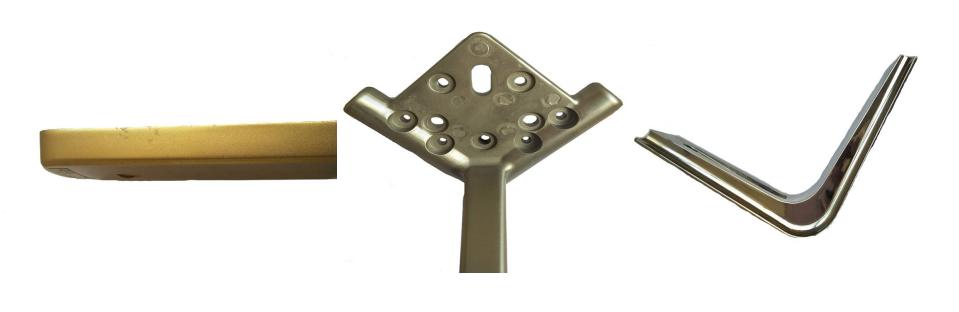
What are Zinc and Zamak Alloys?
Let’s get the naming cleared up first. Zinc is a fundamental chemical element on the periodic table. It is very resistant to corrosion on its own and has a low melting point, but it is not quite strong enough for heavy-duty engineering. To remedy that, metallurgists combine zinc with other elements to form Zamak alloys.
The name Zamak is actually an acronym for the German words for the metals inside it: Zink (Zinc), Aluminium (Aluminum), Magnesium (Magnesium), and Kupfer (Copper). When you blend these together, you get a material that flows incredibly well when melted, fills tiny gaps in a mold perfectly, and hardens into a dense, tough part.
Zamak Alloys for Die Casting: Comprehensive Grade Comparison
You can’t just order “Zamak” and be done with it. You have to choose a particular grade, because a slight change in the chemical recipe alters how the metal reacts in manufacturing and in the real world.
Here’s how the four most common grades compare:
| Grade | Key Chemistry | Core Strengths | Limitations | Typical Applications |
| Zamak 2 | Highest copper content (~3%) | Maximum strength and hardness; excellent wear resistance. | Lower ductility (brittler); can change dimensions slightly over time. | Heavy-duty gears, levers, and high-stress mechanical parts. |
| Zamak 3 | Standard recipe (4% Al, trace Mg, no added Cu) | The ultimate baseline. Perfect balance of strength, ductility, and easy machining. | Slightly less strong than Zamak 2 or Zamak 5. | Automotive brackets, electronics housings, furniture hardware, toys. |
| Zamak 5 | Moderate copper (~1%) | Better tensile strength and hardness than Zamak 3; excellent fluid flow in molds. | Less ductile than Zamak 3; slightly harder to machine. | Decorative automotive trim, cosmetic packaging, thin-walled parts. |
| Zamak 7 | Ultra-low magnesium; trace nickel added | Exceptional dimensional stability; highest ductility; best fluid flow for micro-parts. | Slightly lower tensile strength than the others. | High-precision fuel system components, medical equipment. |
Zamak Die Casting Manufacturing Process Step-by-Step
The actual manufacturing set-up is a high-speed automated process. Because zinc alloys have a lower melting point than aluminium or steel, we do hot chamber die casting. This means that the injection mechanism is permanently submerged in the molten metal, and cycle times are incredibly fast.
A raw block of alloy turns into a finished part this way, in eight sequential steps:
Step 1: Die Design and Production
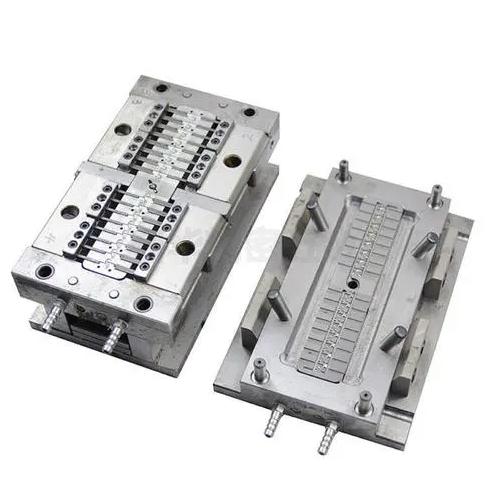
Engineers design a custom mould ( split into a fixed cover die and a moving ejector die ) out of hardened tool steel. The design must also allow for the shrinkage of the metal and the venting of air.
Step 2: Melt and temperature control
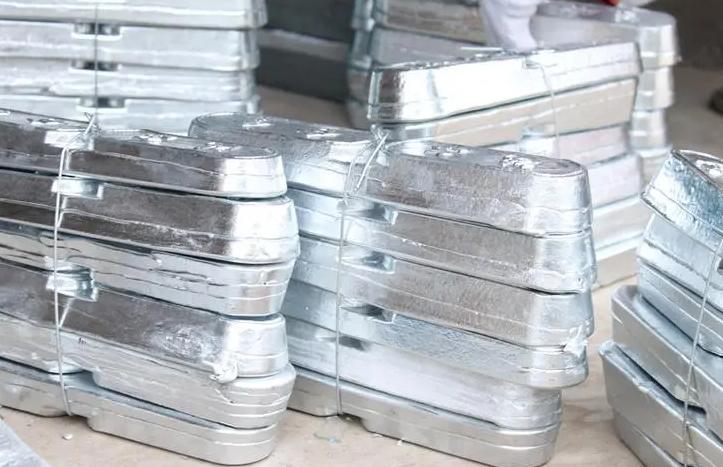
Zamak ingots are loaded into a furnace and heated to the melting point, generally maintaining a constant temperature of 380°C – 420°C. This temperature has to be maintained at a constant level in order to prevent decomposition of the metal.
Step 3: High-Pressure Injection
Under extreme pressure, a hydraulic plunger forces the liquid Zamak into the steel mould cavity. The metal flows to fill the whole mould space in a fraction of a second.
Step 4. Cool Down and Set
The metal is held for a few seconds in the clamped mould to cool and solidify. This cooling period is very short because Zamak has a rapid heat transfer.
Step 5: The Eject
The mechanical clamps release the mould halves, and the built-in ejector pins eject the solid metal casting from the cavity.
Step 6. Trimming and Flash Removal
The raw part is produced with extra material attached, such as the runners (tunnels through which the metal flowed) and flash (thin excess metal at the mould lines). A trimming press cuts them off.
Step 7: Quality Control & Inspection
Quality assurance teams inspect the parts. They use visual checks and automated coordinate measuring machines (CMM) for dimensions and sometimes X-rays to check for hidden air bubbles inside.
Step 8: Surface Finishing and Post Treatment
Depending upon the customer’s requirement, the parts go through secondary operations. This includes CNC drilling, chrome electroplating, powder coating, or anodizing for additional protection or cosmetic appearance.
Pros and Cons of Zamak Die Casting
Every manufacturing process has trade-offs. You need to flip the coin over and look at both sides to determine whether Zamak makes financial and structural sense for your project.
Benefits
- Crazy Tight Tolerances: The metal flows so easily that you can cast parts with near-net-shape accuracy and incredibly thin walls. You don’t have to pay for extra CNC machining later.
- Longer Mould Life: Zinc melts at approximately 400°C, while aluminium melts closer to 660°C. That lower temperature means the steel moulds don’t experience thermal shock. A zinc mould can easily last over 1 million cycles, but an aluminium mould might give out after 100,000.
- Fast Production Cycles: The hot-chamber setup allows you to inject, cool and eject parts much faster per hour than cold chamber aluminium casting.
- Excellent surface finishing: Parts are very smooth out of the mould. Want to electroplate your parts with chrome, nickel, or gold? Zamak can take plating better than just about any other metal.
Drawbacks
- Weight Issues: Zinc is a heavy metal. It’s considerably heavier than aluminium. If you are designing drone parts or aerospace components where every gram matters, the extra weight of Zamak might be a deal breaker.
- Not Good for High Heat: Zamak loses its structural strength at high temperatures. If your part is going to be in environments that regularly get above 100 °C, the metal can become brittle or lose its shape.
- High Initial Tooling Cost: The purchase of the hardened steel moulds requires a substantial initial investment. If you need only a few hundred parts, it’s cheaper to 3D print them or CNC machine them out of a solid block. This process only saves money when you are doing large-scale production.
The Most Common Industrial Applications of Zamak Castings
You walk around every day, and you see Zamak parts, and you don’t even know it. It’s a combination of structural strength and an easy way to get a beautiful aesthetic finish. Multiple massive industries rely heavily on it :
- Home Hardware and Plumbing: Bathroom sink faucet. Front door lock assembly. Hinges on kitchen cabinets. Most of these are die-cast zinc parts that have been chrome-plated or powder-coated.
- Automotive Sector: Car brands use Zamak for interior door handles, seatbelt mechanisms, sunroof brackets, and key fobs. It’s inside fuel pumps, carburetors, and a variety of sensor housings.
- Consumer Electronics: Open a high-end smartphone, laptop, or game controller and you’ll often find a rigid, thin-walled Zamak chassis inside, keeping the delicate circuit boards secure.
Frequently Asked Questions
Q1: Why is Zamak alloy so popular for custom die casting?
A1: Zamak is preferred because it reduces the overall cost of production for large production runs. Its low melting point prevents the expensive steel dies from wearing out, and its high fluidity allows you to cast incredibly complex, thin-walled shapes that would be impossible or way too expensive to machine out of raw steel or aluminium.
Q2: What is the difference between Zamak 3 and Zamak 5?
A2: The main difference is the amount of copper. Zamak 3 has no copper added, making it the standard choice for all-around ductility and easy machining. Zamak 5 contains about 1% copper to increase its tensile strength, hardness and resistivity to corrosion, but it is slightly less flexible and more difficult to modify after casting.
Q3: Are Zamak parts suitable for use in high-temperature environments?
A3: No, they can’t. Zamak alloys are prone to thermal degradation and a structural defect known as creep, which is the slow and permanent deformation of the metal under constant mechanical load if the temperature is high. Do not use Zamak in environments that are continuously over 100°C.