

Most people assume that high precision casting cost comes from materials or order volume. In our experience working with engineers across dozens of industries, that’s rarely where the money actually goes.
More often the actual driver is the design itself. Early choices made in the process that gradually compound into longer lead times, additional machining, and products that cost far more than they should.
The good news is that most of these problems can be solved before production. Here are five of the most typical design decisions that drive up investment casting cost, and practical casting design suggestions that you may use before you lock in your drawing.
1. Uneven Wall Thickness
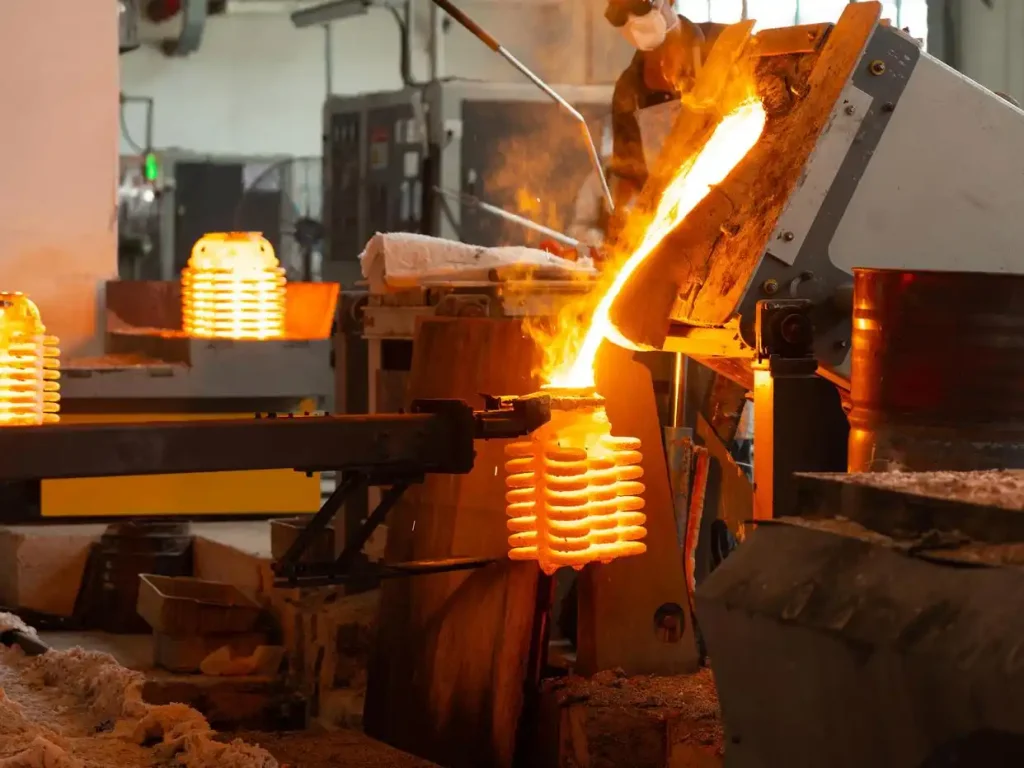
This is one of the most consistently missed problems we see in investment casting design. When wall sections fluctuate greatly across a part, for example, a thin 2mm wall adjacent to a thick 8mm boss, the metal cools at various rates. And the last to solidify are the thicker sections, which suck material from the surrounding areas as they solidify. The result is shrinkage, internal voids, and sometimes warping that only shows up during inspection.
From a process standpoint, foundries have to slow down cycle times, adjust gating systems, and occasionally scrap parts that fall outside dimensional requirements. All of that adds cost.
The fix is straightforward. As a general guideline, keeping wall thickness variations within roughly a 2:1 ratio helps promote more uniform solidification. This gives the metal a more predictable cooling path. Where heavy sections are unavoidable, coring them out is often a better option than leaving solid material that will cause problems downstream.
This is one of the first things we look at during DFM review, and it’s usually one of the easiest adjustments to make at the design stage.
2. Overly Tight Tolerances
Tight tolerances cost money. That part is well understood. What’s less obvious is how often they get applied across an entire part when only a small number of surfaces actually need them.
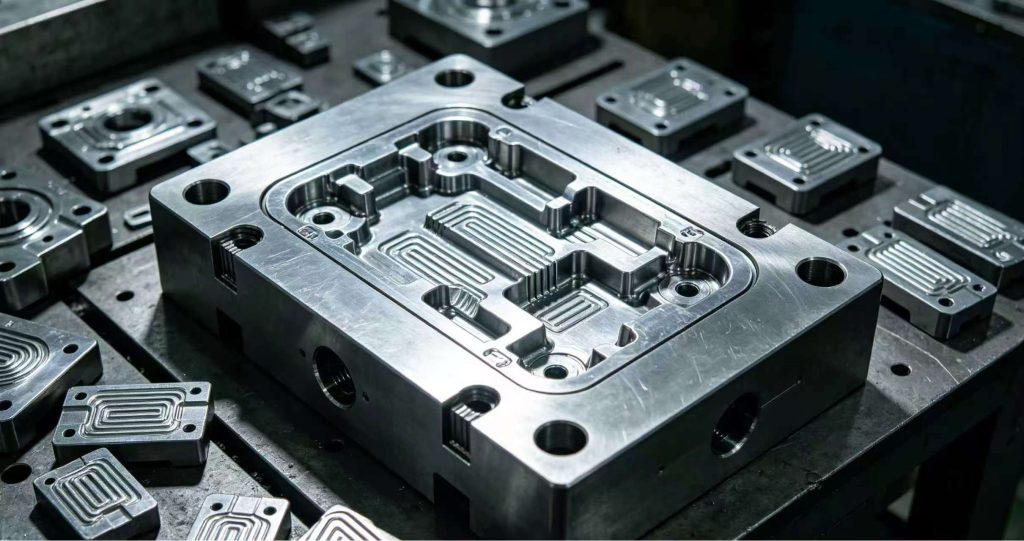
In precision investment casting, standard achievable tolerances are already quite capable. For general dimensions, most castings can hold around ±0.1–0.2mm without extra effort. Going tighter than that requires more careful tooling, additional inspection steps, and sometimes post-cast machining that wouldn’t otherwise be necessary.
When those requirements are applied across the whole drawing “just to be safe,” the investment casting cost climbs considerably, and often without any real benefit to part performance.
A more practical approach is to identify which features genuinely drive fit, function, or assembly, and reserve tighter tolerances for those surfaces only.
| Tolerance Approach | Cost Impact | When It Makes Sense |
| Tight tolerances across the whole part | Significantly higher | Rarely — only for very specific applications |
| Tight tolerances on critical features only | Moderate | Most standard components |
| Standard casting tolerance | Lower | Non-functional or non-mating surfaces |
If you’re not sure which surfaces are critical, that’s exactly the kind of conversation worth having with your casting supplier before the drawing goes to production.
3. Complex Internal Geometry
Investment casting handles internal features better than most other casting methods, and that’s one of its genuine strengths. But there are still limits, and designs that push past them tend to create problems that are expensive to fix.
Very narrow or deep internal channels are difficult to fill completely. Sharp internal corners concentrate stress and can lead to cracking during solidification or in service. Intricate internal geometry can also make it nearly impossible to clean out ceramic shell residue after casting. It is a practical issue that often gets overlooked until it’s too late to change anything.
A few things that help keep internal geometry manageable:
- Generous internal radii: Aim for at least 0.5–1mm at internal corners. Even small radii significantly reduce stress concentration and improve metal flow.
- Flow path consideration: Internal passages should be sized and routed so metal can fill them without trapping air or creating cold shuts.
- Cleanout access: For enclosed channels, make sure there’s a way to verify and physically clean them after casting.
None of this means avoiding complex geometry altogether. Precision investment casting exists precisely because it can produce shapes that machining can’t. The geometry just needs to be thought through from a process perspective, not only a functional one.
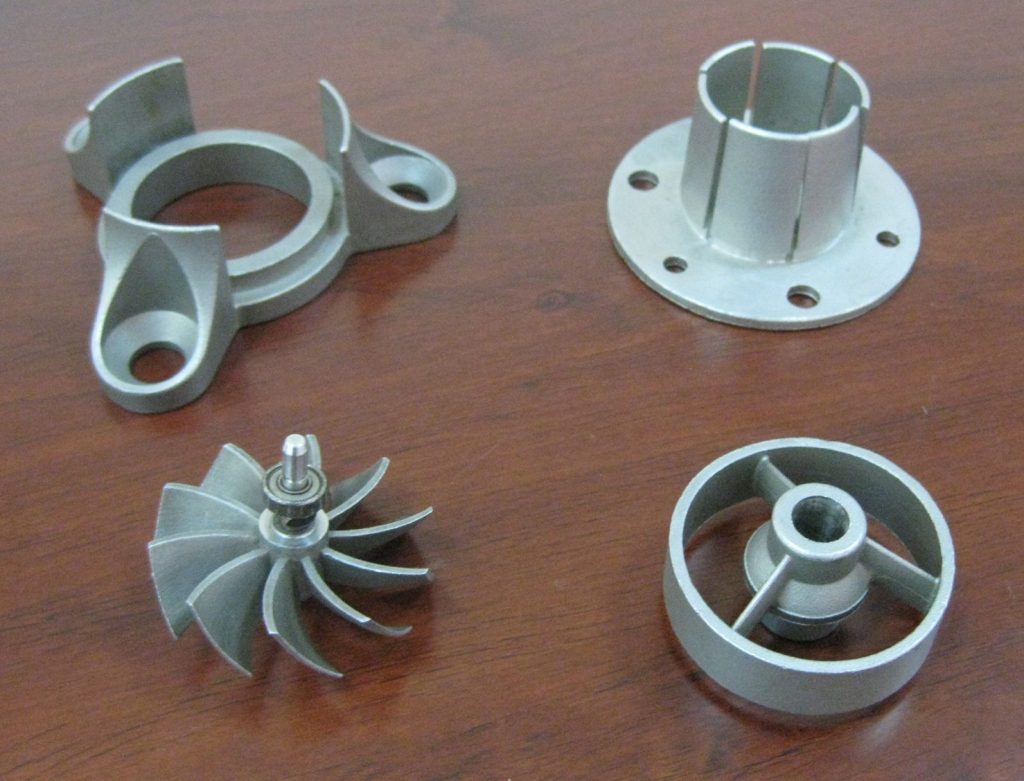
4. Features That Complicate Machining After Casting
Most precision castings require some post-cast machining, whether for mating surfaces, threaded holes, or bores that demand tighter tolerances than casting alone can achieve. The machining time and cost will be directly affected by the design decisions you make for those features.
If a feature is difficult to access with standard tooling, it may require smaller cutters, additional machining passes, or custom setups. Hard-to-find and fixture parts mean more scrap and tighter inspection requirements. These costs pile up quickly and are sometimes not seen until the machining quote comes back higher than intended.
| Design Choice | Impact on Machining | Cost Effect |
| Clear tool access | Shorter cycle times, less setup | Lower |
| Multiple deep or narrow features | More passes, slower operations | Higher |
| Straightforward datum structure | Easier to hold and locate the part | Lower |
| Multi-axis or re-fixturing required | Additional setups and time | Higher |
When thinking about design for casting, it pays to consider machining at the same time. A feature that looks simple on the drawing can become expensive in practice if the toolpath is awkward or the part has to be repositioned multiple times during finishing.
5. Parts That Could Have Been One
We see this a lot: when a design requires 2 or 3 different castings, which requires tooling, inspection and assembly stages of their own while the shape could have reasonably been made as one part.
Consolidating parts isn’t always possible, and there are legitimate reasons to keep some assemblies separate: different materials, maintenance access requirements, load paths that make a joint necessary.
But when those reasons don’t apply, keeping components separate adds cost without adding value. Each additional part means another round of tooling, another round of dimensional checks, and more time on assembly.
If you’re looking at a multi-part assembly where the components are always assembled the same way, made from the same material, and don’t need to be separated for service. Then it’s worth asking whether they can be cast as one. The tooling investment is usually offset fairly quickly by what you save on machining and assembly downstream.
A Quick Casting Design Checklist
Before locking the design and moving into tooling, it’s worth running through these questions:
- Are wall sections reasonably consistent in thickness?
- Are tight tolerances only called out where the part actually needs them?
- Have sharp internal corners been reduced or eliminated?
- Is there enough clearance to machine the features that need finishing?
- Could any of these components be cast as a single part?
- Has your casting supplier had a chance to review the design?
That last point matters more than it might seem. A good supplier will catch issues that aren’t obvious from the drawing alone. And catching them before tooling is cut is always cheaper than catching them afterward.
Lower Costs Start with Better Casting Design
The most effective way to reduce casting cost isn’t to push harder on price. It’s to make the part easier and more predictable to produce.
Applying solid investment casting design guidelines, being intentional about where tolerances are called out, and thinking about post-cast machining early in the process can make a meaningful difference to both unit cost and lead time.
JTR Machine reviews casting designs as part of our standard quoting process and flag any concerns before production begins. If you have a part in development or want a second opinion on a current design, contact us to discuss your project.