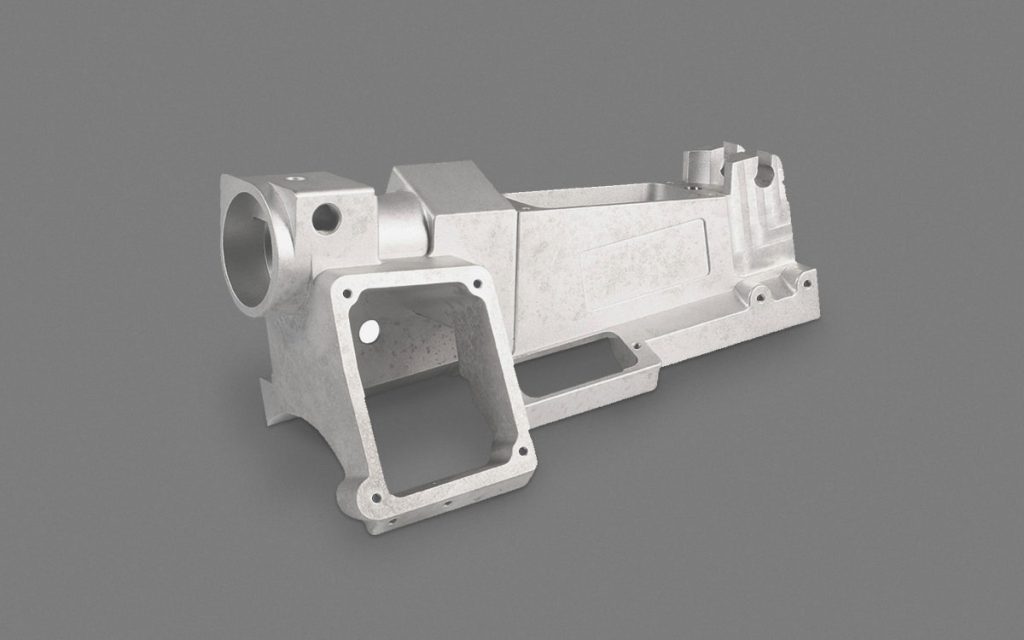


If you’ve ever brought an aluminum bracket or housing out of storage after a season outdoors and found it dull, pitted or streaked with white residue, you already know aluminum isn’t automatically weatherproof. We get a lot of questions from engineers and product teams like this one: Which aluminum die casting surface finish really performs outdoors? And which ones seem fantastic on day one but don’t hold up?
The fact is, not all finishes are made for sunlight, rain, and salt air. Choosing the wrong one can end up meaning you need to replace parts years sooner than you thought, getting hit with warranty complaints about corrosion and fading , or watching something that performed great in a lab look visibly weathered after just one rainy season.
For teams designing outdoor enclosures, lighting fixtures, automobile components or telecom housings, this decision will impact your cost and reputation downstream.
This guide explains why outdoor aluminum parts need protection in the first place, compares the surface finishes that really work well outdoors, and provides you with a simple framework for matching a finish to your specific application based on environment, appearance needs, and maintenance expectations.
Why Outdoor Aluminum Parts Still Need Surface Protection?
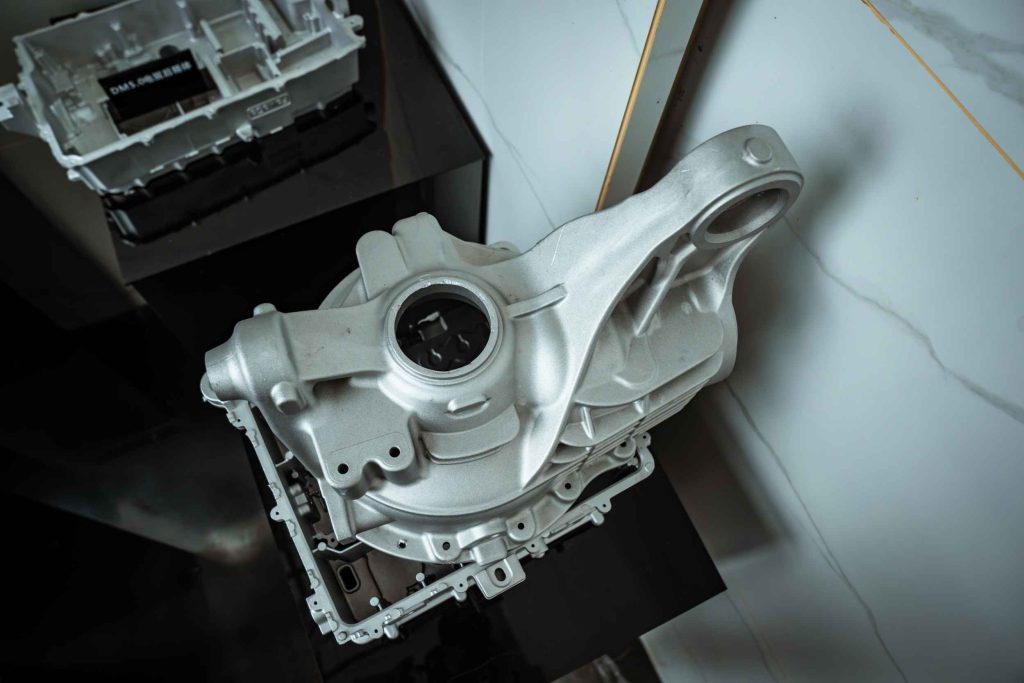
aluminum does generate a small layer of oxide when exposed to air and this layer does provide some inherent resistance to corrosion. It’s part of the reason why aluminum has a reputation as a comparatively low-maintenance metal compared to steel.
But the native layer is only a few nanometres thick and it’s not really tough enough for long term exposure outdoors, especially in coastal, industrial or high humidity areas where the metal is getting hit again and again by chemical stressors and wear and tear.
- Salt, Pollutants, and Moisture: Salt spray at beaches and airborne pollutants in industrial regions cause corrosion to occur quicker than the natural oxide layer can cope with. Pitting and white corrosion spots can occur over time.
- Aesthetic Degradation: Unprotected aluminum will become dull, chalk or discolour owing to UV exposure and oxidation. This is of particular importance for visible areas such as enclosures or architectural trim.
- Long-Term Performance: Early corrosion can be mostly cosmetic, but long-term corrosion can result in pitting, coating failure, decreased service life, and in some cases, damage mechanical or electrical performance.
Which Surface Finish Performs Best Outdoors?
There are various aluminum surface treatments to choose from but three are best suited for outdoor use because they provide durable, long-lasting protection. Each has various merits, thus the choice between them usually depends on the particular needs of the application.
Powder Coating
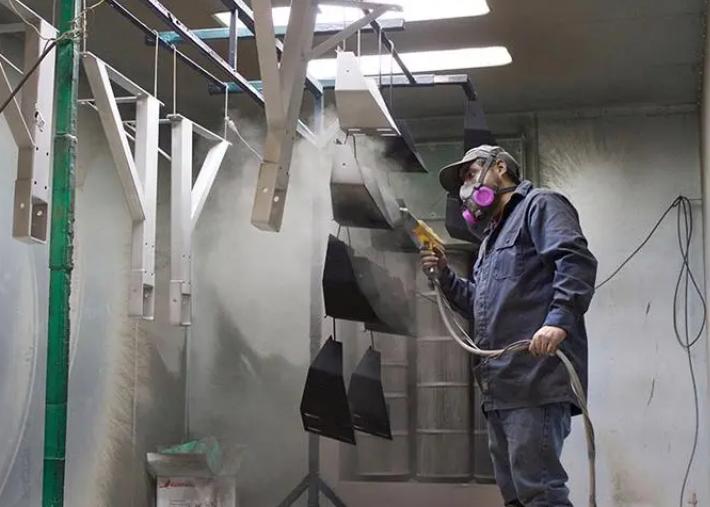
Powder coating is basically an electrostatic way of applying a thicker , long lasting coating which is then cured at high temperature so it forms a solid shield against corrosion, knocks and UV breakdown. It also comes in many colors plus different textures, so designers get more flexibility than a few other surface finishes.
Best for: outdoor enclosures, automotive parts and telecom housings that are often in direct sun and see real physical wear & tear, especially when impact resistance matters as much as corrosion protection.
Anodizing
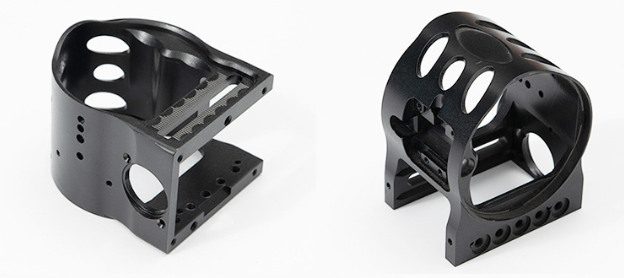
Anodizing is an electrochemical method that sort of leans on the aluminum’s natural oxide layer rather than just adding yet another coating on top. It turns into part of the actual metal, so it typically won’t peel or flake away. It also tends to preserve that metallic vibe many designers want, especially for architectural elements or any visible surfaces.
Keep in mind: normal or standard color anodizing can fade over long time exposure to UV. Hardcoat anodizing (Type III) is a lot more resilient for rough outdoor use, but it’s not as easy to find in a wide range of shades, and it’s usually priced higher.
E-Coating / Electrophoretic Deposition
E-coating is a process where the object is dipped into a bath of electrically charged paint. This method provides a uniform coating, even in blind holes, deep recesses and complex shapes that traditional spray coating cannot reach.
Best used as: a standalone finish for hidden components or as a corrosion resistant primer, underneath powder coating.
Traditional painting is still being used for some decorative or budget-conscious projects but generally doesn’t hold up as well in the long-term for outdoor exposure as powder-coating, anodizing, or e-coating and wears down faster with repeated sun and rain exposure.
Here’s a brief side-by-side look at how these three options compare to make the differences easy to assess at a glance:
| Surface Finish | Powder Coating | Anodizing | Electrophoretic Coating (E-coating) |
| Corrosion Protection | High | High | Medium-High |
| UV Resistance | High | Good–Excellent | Good |
| Appearance | Excellent | Metallic finish | Uniform |
| Relative Cost | Medium | Medium-High | Medium |
| Typical Outdoor Uses | Outdoor equipment, lighting | Architectural components | Automotive parts |
How to Choose the Right Surface Finish for Your Outdoor Application?
There is no one optimal surface finish for aluminum die casting that is suitable for all situations. The proper decision truly relies on where the part will live, what it is exposed to and how it needs to appear and perform through time.
A component put by the shore has quite different needs than a component used in a dry interior region, even if they are built from the same alloy.
Here’s a rough starting point for popular outdoor locations and use cases, although unique projects may need to be adjusted for local conditions or budget:
| Environment | Recommended Finish | Maintenance | Why |
| Inland urban | Powder coating | Occasional cleaning | Balanced durability and cost |
| Coastal | High-performance powder coating or hardcoat anodizing | Regular rinsing & inspection | Better salt corrosion resistance |
| Industrial | Powder coating with pretreatment | Periodic cleaning | Improved chemical resistance |
| High-visibility decorative parts | Anodizing | Low maintenance | Excellent appearance retention |
| Heavy-use equipment | Powder coating | Inspect for coating damage | Superior impact resistance |
It can be pretty handy to walk through a few practical questions with your engineering or design team before you settle on a finish. Those sorts of questions often dig up little tradeoffs early, before they become costly issues later on in production:
- Will the part stay outdoors year-round, or only seasonally?
- Is it exposed to salt spray or coastal air?
- Does appearance matter as much as raw durability?
- Will the part see frequent handling or contact wear?
- Is some level of future maintenance acceptable, or does it need to be near maintenance-free?
- What is the target product lifespan?
Working through these questions early usually helps narrow the decision and avoid costly rework later, especially if you’re producing parts at scale, where a wrong finish choice multiplies across thousands of units.
Build Outdoor Parts That Last
There is no single ideal surface finish for aluminum die cast items used outside. The best decision depends on the service environment, performance needs, appearance expectations and the budget.
The final protection is affected by the alloy selected, the die casting quality, machining accuracy and correct surface preparation prior to coating. Even the greatest coating will not fully compensate for porosity in the casting or poor cleaning prior to treatment.
JTR Machine works with customers from initial design to finishing and quality inspection to help customers select the proper alloy and surface treatment to the real conditions a part will encounter. If you are thinking of an outdoor aluminum die cast component and want some advice on the optimum finish for your application, contact us to discuss your project.