
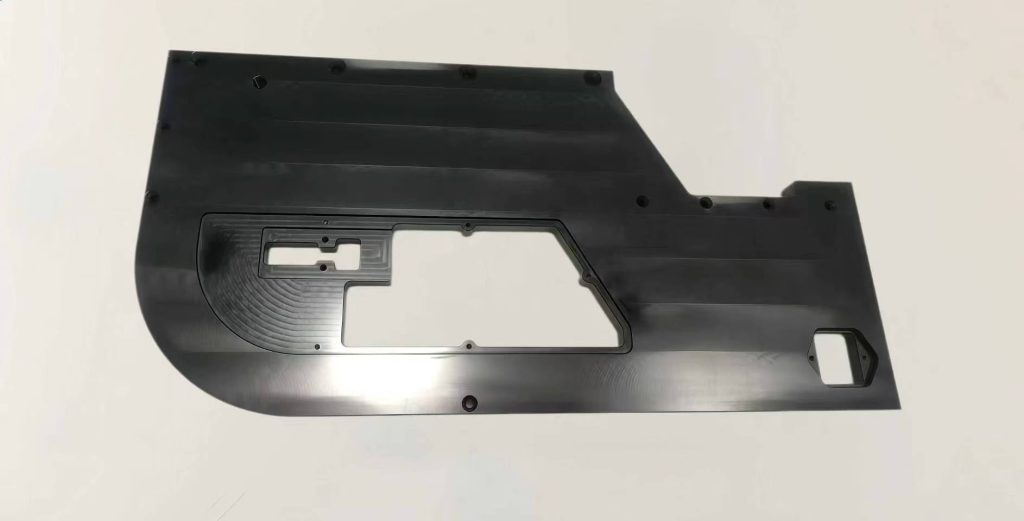
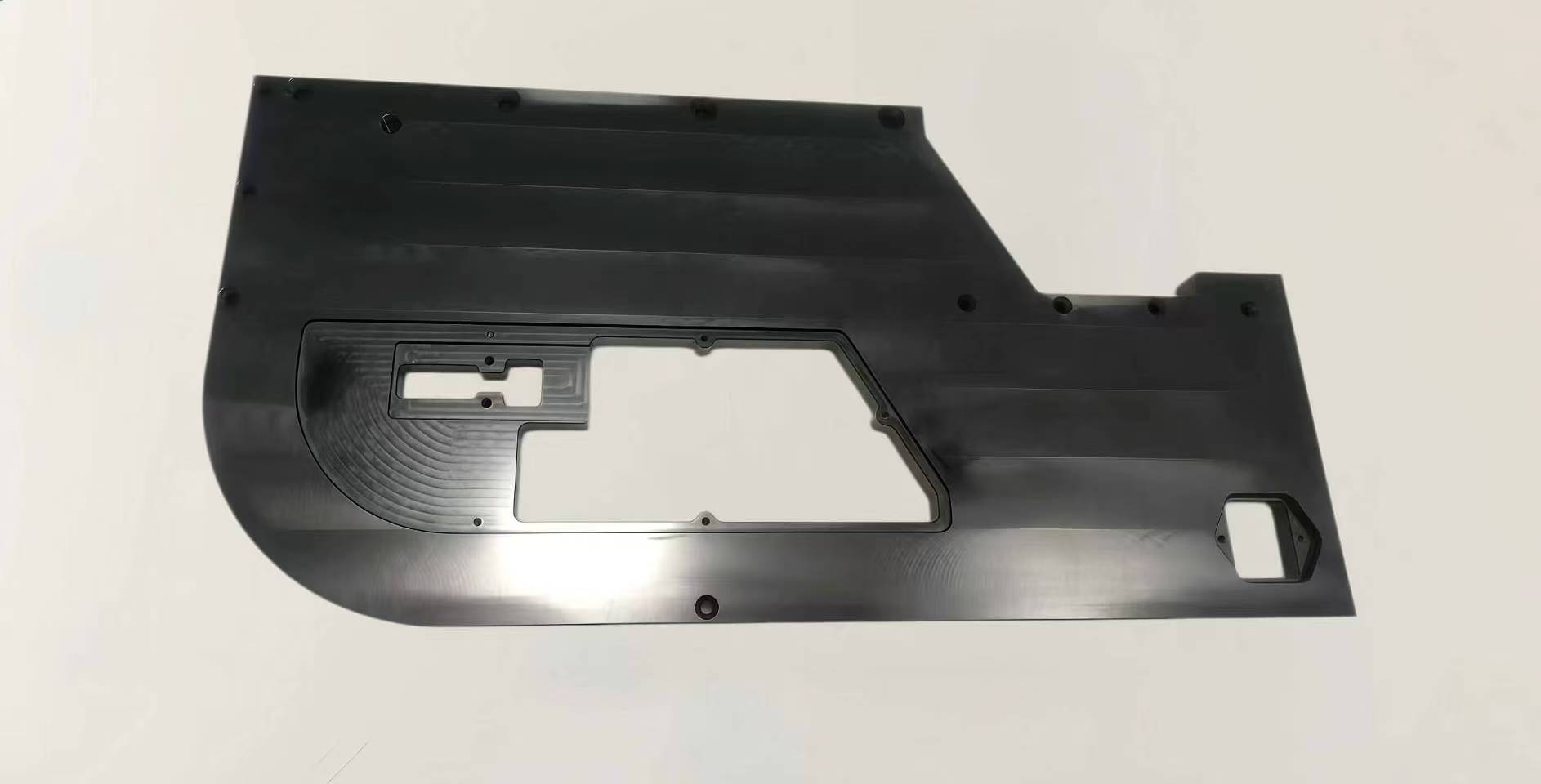
Aluminum CNC Milled Part with Black Anodizing
- Material: AL6061-T6
- Size: 15X462X234 mm
- Process: CNC Milling
- Surface treatment: Black Anodizing
AL6061-T6 is the most widely used aluminum alloy in precision machining — well-known for excellent machinability, dimensional stability under cutting, and reliable all-round mechanical properties in its T6 temper state. At 462X234 mm with only 15 mm of thickness, this plate sits at the more demanding end of the large aluminum plate spectrum. The ratio of length and width to thickness leaves very little inherent bending stiffness to work with.
The Challenge: Flatness and Hole Position Accuracy on an Extra-Long Thin Plate
Across 462 mm of length, the plate’s resistance to bending is already limited before any material is removed. Once a large U-shaped cutout is introduced, the cross-sectional area drops further, making the whole plate more sensitive to both cutting forces and clamping pressure throughout the machining process.
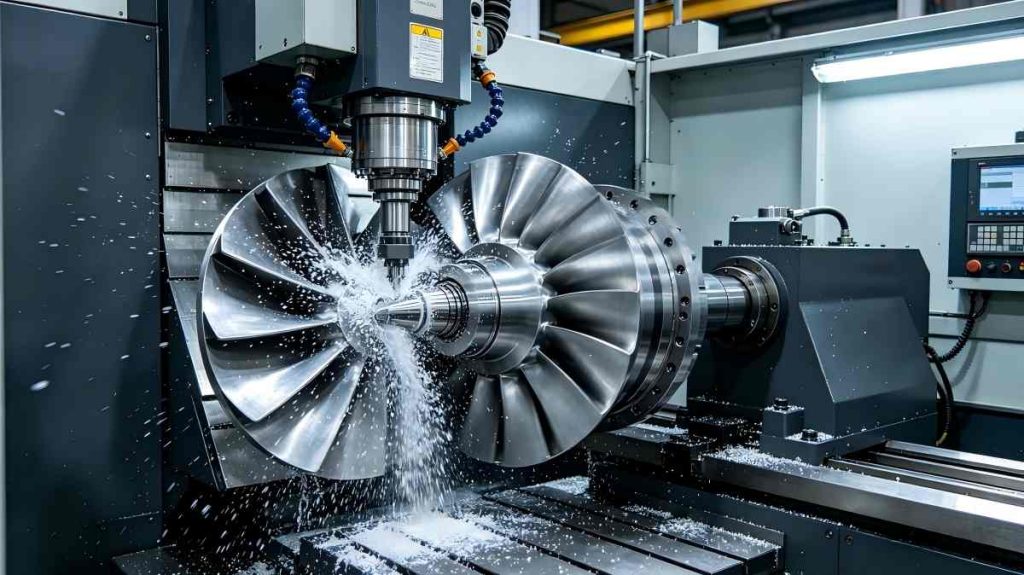
Two core problems follow from this:
- Flatness drift: The internal stress built up during rough cutting releases as material is removed. Without specific countermeasures, that release pushes the plate surface out of flat — consistently hitting ±0.05 mm across a 462 mm span requires more than just accurate toolpaths
- Hole position shift: Any vibration or distortion in the plate during drilling and milling shifts the actual hole positions away from their nominal coordinates. The areas immediately adjacent to the large cutout are the most vulnerable, since that’s where local stiffness is lowest
How It’s Managed
| Stage | Approach |
| Post-roughing rest | Rough-machined plate is set aside to allow cutting stress to release naturally and evenly before finish work begins |
| Vacuum chuck clamping | Multi-point even suction across the plate — low, distributed holding force that doesn’t add its own distortion to the workpiece |
| Finish cutting parameters | Small depth of cut with high spindle speed — lighter cutting forces, less vibration excitation across the thin plate |
| Full-plate finish pass | A final full-surface milling pass corrects any residual waviness and brings overall flatness consistently within spec |
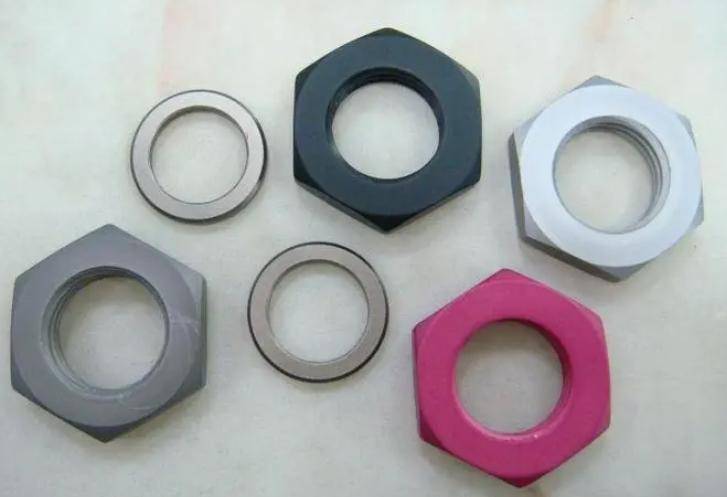
Black Anodizing
Anodizing 6061-T6 builds an integral aluminum oxide layer on the surface that is harder than the base alloy and provides solid corrosion protection. With black dye sealed into the oxide pores, the color is permanent — it won’t chip, peel, or fade in service. For structural plates used inside equipment assemblies, the matte black finish also reduces the plate’s own surface reflectivity, which can matter when vision systems or photoelectric sensors are operating nearby.
Applications
- Base plates for automated production line frames
- Carrier plates for linear and rotary motion modules
- Fixture substrates for inspection and measurement equipment
- Mounting plates for robotic arm and end-effector assemblies