
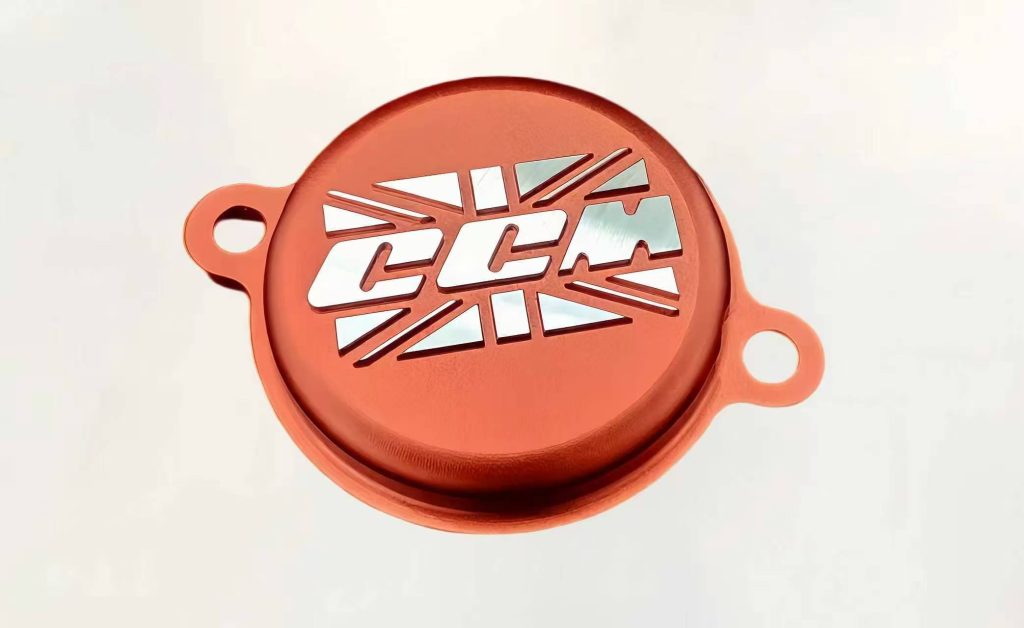
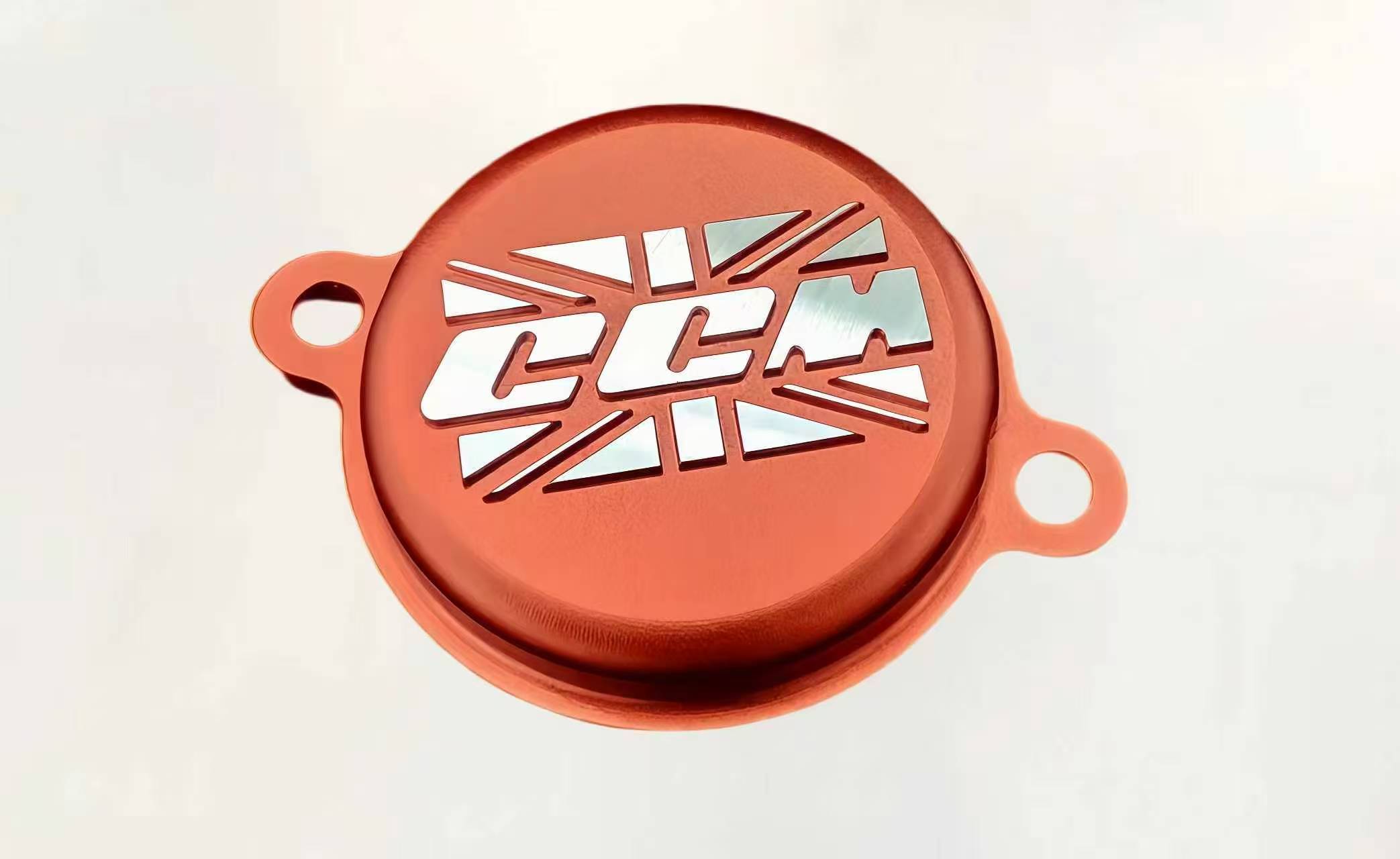
CNC Machined Aluminum Part with Sandblasting and Red Anodizing
- Material: AL6061-T6
- Size: 59.000X15.750X72.316 mm
- Process: 3-Axis CNC Machining
- Surface treatment: Sandblasting and red anodizing
A Deliberate Finishing Sequence
AL6061-T6 is one of the most widely used aluminum alloys in precision machining. It balances strength, corrosion resistance, and machinability in a way few other alloys can match at a comparable cost.
The T6 temper keeps the material dimensionally stable under the cutting forces of CNC machining, which helps it hold tight tolerances throughout the process.
What makes this part’s production approach interesting is the order of operations: the part is anodized first, and then specific marking or identification areas are re-machined afterward. This is intentional, not a workaround.
Anodizing converts the aluminum surface into a hard oxide layer. It doesn’t sit on top of the metal, it becomes part of it.
Once that layer is in place, machining certain spots afterward reveals fresh, bright aluminum against the colored anodized background. The result is a permanent, clean marking that won’t peel, fade, or wear away the way labels or printed marks would.
The Role of Sandblasting Before Anodizing
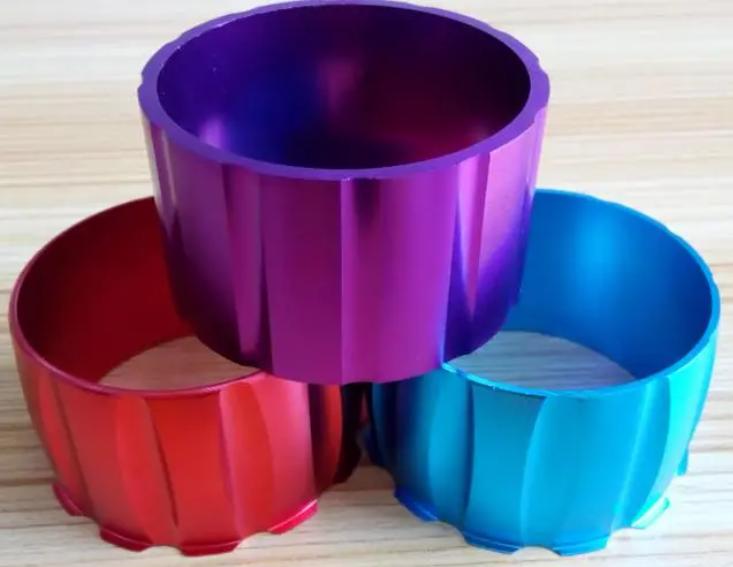
Sandblasting is done before the anodizing step, and it does more than just clean the surface.
- It removes machining marks and tool lines left from CNC work
- It creates a uniform matte texture that anodize dye absorbs more evenly
- It eliminates surface oxidation that could cause patchy coloring
A well-prepared surface going into the anodizing bath directly affects how consistent and rich the final color looks. Skipping this step often shows up as uneven tone or dull patches in the finished part.
Why Red Anodizing
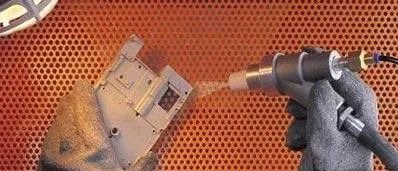
Red anodizing is achieved by dyeing the aluminum while the oxide layer’s pores are still open and receptive, then sealing them to lock the color in permanently.
The specific shade depends on dye concentration and process time, but the result is durable. The color is inside the surface, not on top of it.
| Property | Benefit |
| Color permanence | Dye is sealed within the oxide layer, won’t peel or chip |
| Surface hardness | Anodized layer is harder than the base aluminum |
| Corrosion resistance | Sealed oxide resists moisture and mild chemicals |
| Non-conductive surface | Useful in electrical or electronic assemblies |
Red is a common choice when the part needs to stand out visually for identification, safety indication, or simply to differentiate it within an assembly.