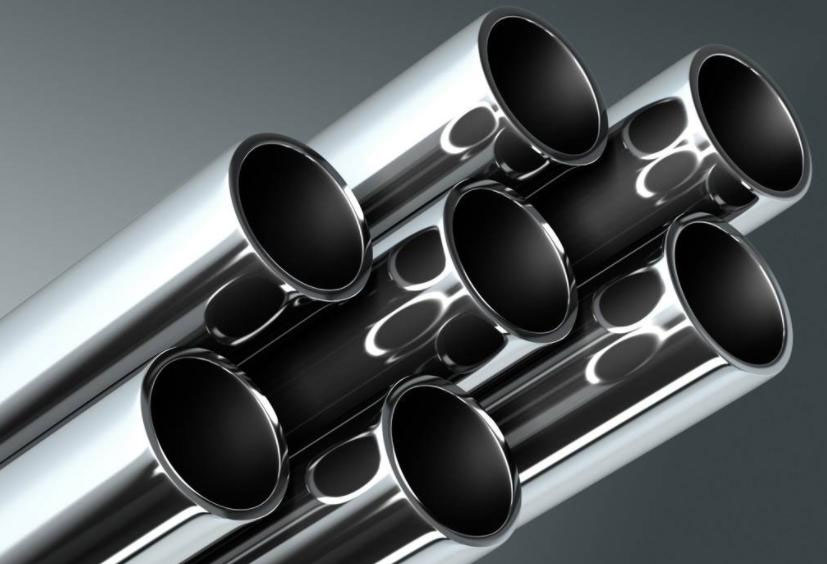


In precision manufacturing and structural engineering, the best surface post-treatment is as important as the choice of the base alloy itself. Raw carbon steel possesses very high mechanical properties, like high tensile strength and machinability, but is extremely sensitive to atmospheric degradation. When unprotected steel is exposed to industrial gases, moisture, oxygen and chlorides, electrochemical reactions occur, forming iron oxide, more commonly known as rust. This oxidation process not only destroys the aesthetic integrity of the component but also the fundamental structural boundaries, leading to premature structural fatigue and catastrophic operational failures.
Engineers combat this corrosion with zinc-based protective coatings. Zinc offers protection in two ways: physical barrier insulation and sacrificial galvanic protection. Since zinc is more electrochemically active than iron, it oxidises first and protects the steel substrate underneath from corrosion when the steel substrate is exposed to corrosive media. But the physical properties, tolerances and operational life of the final product are determined by how precisely this zinc barrier is applied. For the manufacturing engineer trying to balance design requirements with structural longevity, the central dilemma usually comes down to choosing between two basic zinc coating approaches: Electroplated Zinc Plating and Hot-Dip Galvanising.
Engineering Summary: Hot-Dip Galvanised steel is produced by a thermal dipping process, creating a thick, very durable zinc coating in the range of 2.0 – 8.0 mils (50 – 200 μm). This makes it very effective for heavy structural parts in harsh outdoor, marine or industrial environments. Zinc Plating (Electro-galvanizing) is an electrochemical process that deposits a thin, highly uniform layer of zinc from 0.2 to 0.5 mils (5 to 12 μm) on the surface of the metal. Ideal for tight-tolerance CNC machined components, delicate fasteners and indoor assemblies where aesthetic appeal and dimensional accuracy are more important than extreme corrosion resistance.
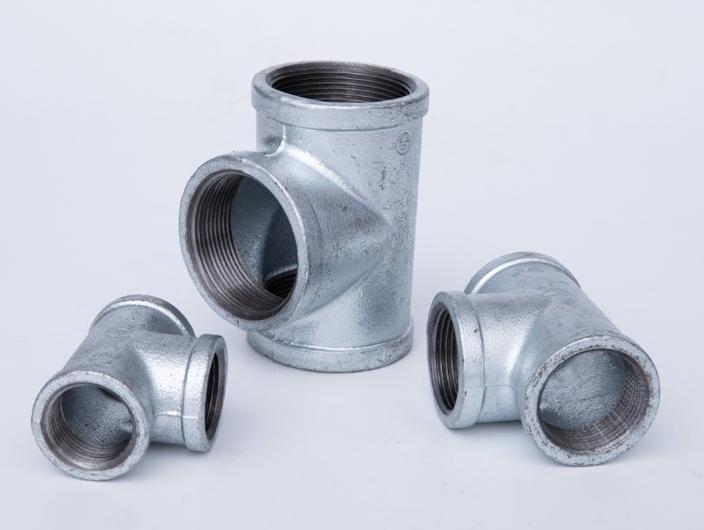
What is the Difference Between Galvanizing and Zinc Plating?
To fully understand the limits of performance for each finish, we need to consider the basic thermodynamic and electrochemical principles that govern their deposition processes.
1. Hot-Dip Galvanising (Thermal Coating)
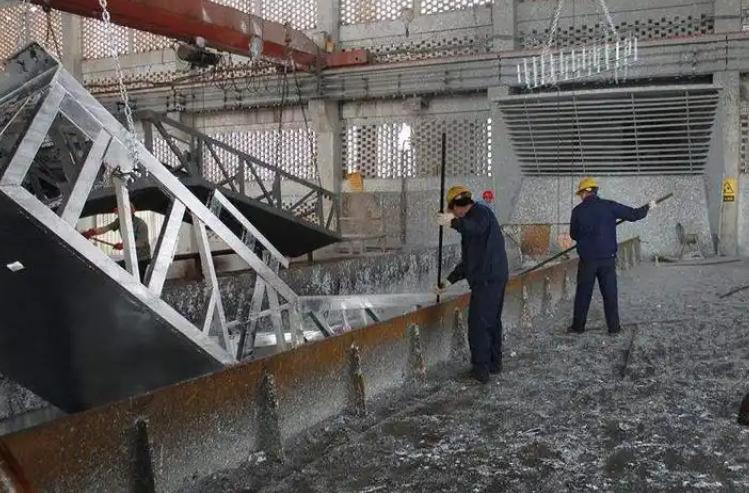
Hot-Dip Galvanizing (HDG) is a thermal diffusion coating process. The mechanical components are cleaned by a multi-stage chemical cleaning process, which includes caustic degreasing, acid pickling for the removal of surface oxides and fluxing to prevent pre-dipping oxidation. The components are then completely immersed in a chemically clean molten zinc bath, and the temperature is held between 445°C and 455°C (833°F and 851°F).
At the point of immersion, a major metallurgical reaction occurs. Atoms of iron from the structural steel substrate diffuse into the liquid zinc, creating a series of complex layers of iron-zinc intermetallic alloys. These layers shift phase from the hard interior Gamma layer to the Delta and Zeta layers, ending in an outside pure zinc Eta layer. This unique intermetallic combination results in a strong permanent metallurgical bond. The resulting coating thickness is very heavy, usually between 50 and 200 μm. This thermal reaction provides the coating with a characteristic dull grey finish, frequently characterised by large crystalline spangle patterns, and a rough, slightly irregular surface topography, while providing unmatched durability.
2. Zinc Plating/Electro-galvanizing (Electrochemical Deposition)
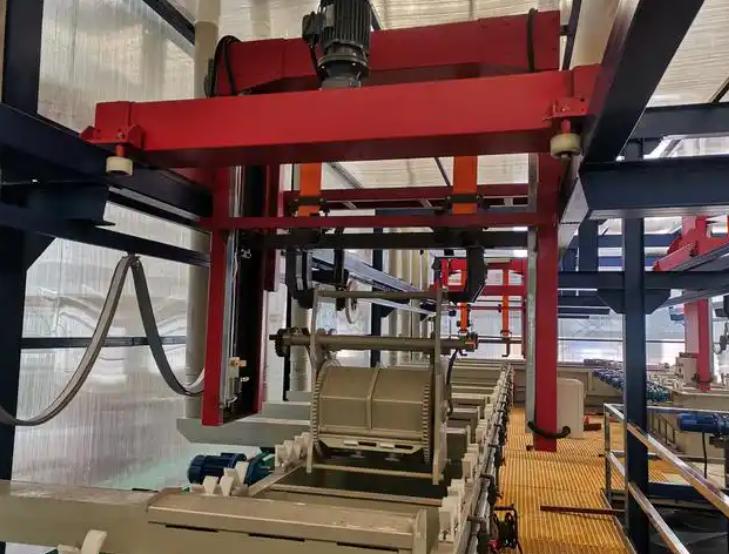
Zinc Plating, technically known as electro-galvanizing, is a cold electrochemical coating process. The component is cleaned thoroughly and suspended as a negative cathode in an aqueous electrolyte bath with dissolved zinc ions (Zn2+). Anodes are blocks of pure zinc. When a controlled direct current (DC) is applied to the system, the zinc ions move through the electrolyte and reduce at the cathode surface, forming a uniform layer of pure crystalline zinc.
Unlike hot-dip galvanising, there is no intermetallic diffusion and adhesion is mainly mechanical and electro-ionic. This allows complete control over the deposition kinetics to produce an extremely thin and uniform layer, typically between 5 and 12 μm in thickness. The surface topography remains smooth, reflective and bright, preserving the micro-geometric features of the underlying metal. It is often used along with post-plating passivation treatments (e.g., trivalent chromium conversion coatings) to further improve its baseline corrosion resistance, and also to provide a variety of visual colours, such as clear, blue-white, yellow or black finishes.
Quick Comparison: Zinc Plated vs. Galvanized Steel
The engineering tradeoffs between these two processes are structured around contrasting physical and dimensional parameters, as summarized in the technical matrix below:
| Technical Feature | Zinc Plating (Electro-galvanized) | Hot-Dip Galvanizing |
| Primary Deposition Process | Electrolysis / Electrochemical Cell (Cold Process) | Molten Zinc Immersion / Thermal Diffusion (≈450°C) |
| Coating Thickness Range | Thinner: 0.2 – 0.5 mils (5 – 12 μm) | Thicker: 2.0 – 8.0 mils (50 – 200 μm) |
| Surface Topography & Finish | Mirror-smooth, lustrous, highly uniform | Rough, dull gray, macro-crystalline spangles |
| Substrate Bonding Mechanism | Mechanical/Electro-ionic adhesion | True Intermetallic Metallurgical Bond |
| Impact on Precision Geometries | Negligible impact; maintains strict engineering tolerances | High impact; causes thread clogging and out-of-spec dimensions |
| Primary Industry Applications | Precision CNC components, electronics, automotive fasteners | Outdoor infrastructure, structural beams, heavy machinery |
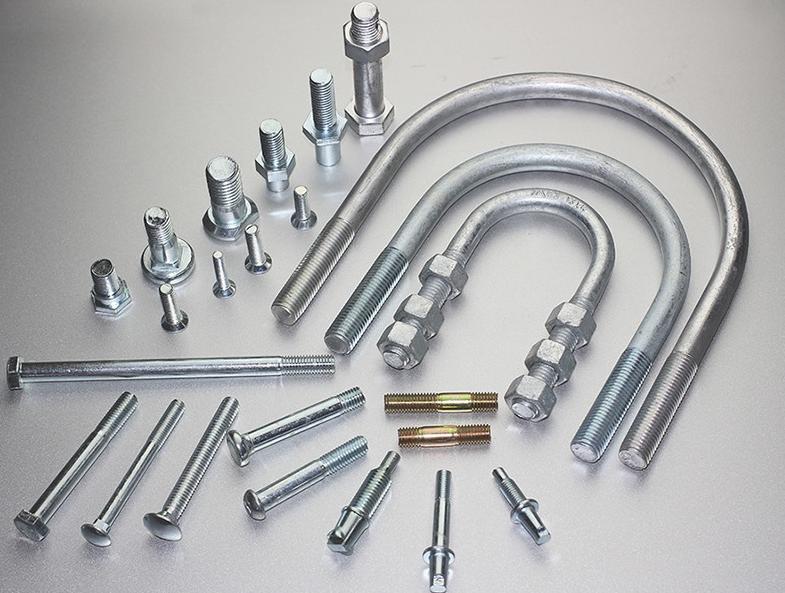
Environment Performance: Where to Use Which?
The operational survival of a coated steel part is directly tied to the atmospheric chemistry of its deployment site. The erosion rate of zinc coatings is calculated via a linear relationship governed by environmental humidity, airborne salt content, and localized chemical concentrations.
1. Indoor Environments and Controlled Settings
Indoors, the air is climate controlled, so the corrosion index is always low. Under these conditions, the thin 5 to 12 μm layer of zinc plating is an excellent protective barrier. Electro-galvanized steel is impervious to direct precipitation and aggressive chemical fumes, so it can readily maintain its structural integrity for decades without any sign of red rust. The high reflectivity and clean cosmetic appearance also make it the obvious technical choice for internal electronics housings, medical instrument brackets and high visibility architectural hardware.
2. Outdoor Environments (Rain, UV and Soil Exposure)
In outdoor environments, protective coatings are subject to constant wetting and drying cycles, ultraviolet radiation and changing soil chemistry. Zinc-plated steel does not perform well under these demands as the thin barrier can deplete in 12 to 24 months, exposing the base steel to localised pitting. But hot-dip galvanised steel is fantastic for outdoor infrastructure. It has a multi-layered, thick coat that functions as a long physical shield. If the zinc outer coat is scratched or scuffed, the underlying layers of the iron-zinc alloy still provide sacrificial protection, allowing galvanised structures to be exposed to severe outdoor environments for 30 to 50 years without any structural maintenance.
3. Marine and Harsh Industrial Environments (Chloride and Acid Fumes)
Marine zones have high airborne sodium chloride (NaCl) concentrations and heavy industrial zones have high sulphur dioxide (SO2) and nitrous oxides (NOx) concentrations. These compounds are aggressive electrolytes, and they promote galvanic corrosion. Zinc plating deteriorates in a matter of weeks in salt spray conditions. Hot dip galvanising offers much greater durability by forming a protective zinc patina layer of zinc carbonate (ZnCO3). This patina slows the rate of consumption of the coating and makes it very well suited for offshore structural framing, industrial piping, and heavy-duty agricultural equipment. For extreme marine immersion, engineers can compare hot-dip galvanising with high-grade marine stainless steel alternatives.
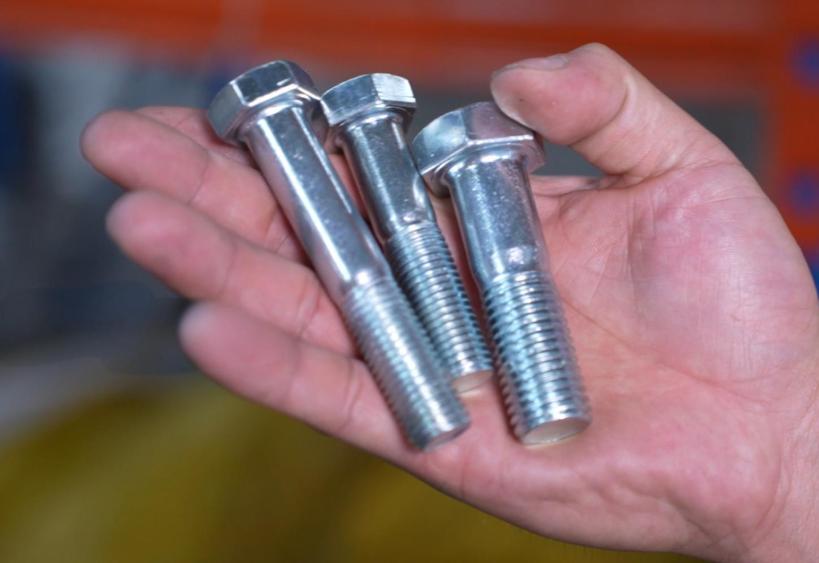
How to Choose the Right Finish for Your CNC Machined & Sheet Metal Parts?
As manufacturing engineers managing tight fabrication processes, the decision between these processes involves weighing a number of key design and manufacturing constraints:
1. Dimensional Tolerances and Precision: When it comes to CNC turned or milled parts that need to be highly precise and have tight design tolerances (like ±0.01 mm), zinc plating is the go-to option. Due to its micro-thin deposition, the underlying part geometry is not changed. Hot-dip galvanising adds a substantial and somewhat unpredictable layer of thickness that will clog internal M6 to M24 threads, lock up tight-clearance mating faces and take critical assembly holes completely out of specification.
2. Cosmetic and Aesthetic Requirements: Consumer-facing equipment, high-end electronics and medical enclosures require a perfect finish. Zinc plating provides a very uniform, smooth surface that can be modified through passivations for clear, iridescent, or deep black shades. Hot-dip galvanising produces a rugged industrial look with variable spangles, excess runs of zinc, and localised rough spots that are generally unacceptable for cosmetic consumer goods.
3. Structural Scale and Fabrication Method: Large-scale sheet metal fabrications, heavy welded brackets and thick gauge structural frames are prime candidates for hot-dip galvanising. The immersion process provides a uniform protective coating to internal channels, blind corners and complex weldments. Zinc plating of large structural components is limited either physically to the maximum electroplating tank size or economically to being inefficient.
4. Total Lifecycle Cost Analysis: While zinc plating features lower initial processing costs for small precision parts, it demands frequent replacement if mistakenly deployed in aggressive environments. Hot-dip galvanizing carries a higher setup cost for small custom pieces, but its decades-long, maintenance-free operation in harsh environments makes it the most cost-effective option over the extended lifecycle of industrial assets.
FAQ: Frequently Asked Questions about Zinc Coatings
Q: Can zinc plated components be safely used in outdoor assemblies?
A: Extended outdoor exposure is strongly discouraged. Zinc plating does not have the coating thickness to survive continuous rain, morning dew cycles, and atmospheric moisture. It is only suitable for indoor use or short-term, non-critical outdoor use unless sealed with a very strong organic topcoat.
Q: Why does hot-dip galvanizing require special design considerations for tapped holes?
A: Because hot-dip galvanizing adds a heavy zinc layer of 50 μm or more, standard internal and external threads will bind after coating. Machinists must intentionally chase or over-tap internal threads after the galvanizing process, or tap them over-sized before coating, to accommodate the thermal zinc layer.
Q: Which coating option is more cost-effective for CNC machined batches?
A: For high-volume precision CNC machined parts, zinc plating is considerably more economical. It avoids the labor-intensive masking, thread re-tapping, and manual cleaning associated with hot-dip galvanizing, while delivering rapid cycle times and excellent dimensional compliance.
Get Professional Surface Finishing and CNC Machining Services at JTR Machine
JTR Machine’s production facility bridges the gap between precision mechanical engineering and tough surface protection. If your project requires multi-axis CNC milling and turning with tight tolerances and a mirror-smooth zinc-plated finish, or heavy-duty sheet metal fabrication optimised for hot-dip galvanised environments, our engineering team oversees your specifications with rigorous oversight. We optimise every workflow to balance design tolerances, structural integrity and long-term corrosion resistance. Upload your technical drawings and STEP files to our digital portal today for an actionable engineering review and a competitive manufacturing quote.