

You have a working prototype. It passed every test on your bench, looked just like the render, and your team was ready to celebrate. Then you tried to scale it up and the numbers didn’t add up anymore. With every batch came rising costs, tiny differences in parts that had once been similar, and delivery times that slid with every order.
That’s one of the most typical disappointments in product development. A manufacturing technique that seemed great in prototype can turn into a liability when real production volume is involved.
It’s important because picking the wrong direction at the wrong time not only costs money, but it can also delay a product launch by months or need a redesign that could have been avoided.
This guide explains what changes from prototype to mass production, reviews the manufacturing processes used at each stage, and outlines a practical transition strategy.
What Changes When You Move from Prototype to Mass Production?
Many teams go through that similar trend. The prototype works great, but as production starts, expenses skyrocket, quality is all over the place, and delivery continues slipping.
This usually is not a sign of bad engineering. It happens because prototyping and production are built around completely different goals.
Prototype Manufacturing Has Different Priorities
During prototyping, the entire process is optimized around learning as fast as possible, not around efficiency.
- Speed over efficiency: Fast validation matters more than unit cost. You want an answer on whether the design works, not the cheapest way to make one part.
- Flexibility over optimization: The process has to be flexible enough to accommodate design modifications that can occur many times in a week.
- Lower tooling investment: Not spending much money on tooling up front means you can still make changes without throwing away money on molds or fixtures that might become obsolete.
Mass Production Changes the Rules
Once a design is locked and volume increases, the priorities flip almost entirely.
- Cost per part becomes critical, since even small savings multiply significantly across thousands of units.
- Consistency matters more than flexibility, because customers expect every unit to perform the same way.
- Cycle time and throughput drive profitability, so a process that took minutes per part in prototyping needs significantly shorter cycle times to support higher production volumes.
- Quality control becomes more demanding, with statistical process checks replacing simple visual inspection.
Understanding this shift is the first step toward avoiding the surprises that catch so many teams off guard. The table below summarizes the difference.
| Factor | Prototype Manufacturing | Mass Production |
| Primary Goal | Validate design | Produce efficiently |
| Production Volume | Few to hundreds | Thousands or more |
| Cost Focus | Development cost | Cost per unit |
| Design Changes | Frequent | Rare |
| Tooling Investment | Low | Higher but optimized |
| Lead Time Priority | Fast first part | Stable long-term supply |
| Quality Requirement | Functional verification | Process consistency |
Why No Manufacturing Process Is Ideal for Every Production Stage
3D Printing
3D printing is excellent for quick iterations because a design change can go from CAD file to physical part in hours, with no tooling required at all. The tradeoff is that it is often too slow or too expensive once you need hundreds or thousands of identical parts.
CNC Machining
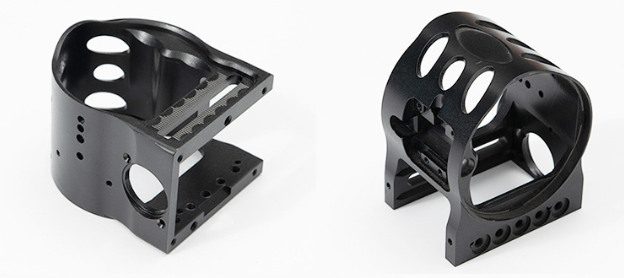
CNC machining is a great choice for prototypes, bridge production and limited volume manufacture as it provides high precision and production quality materials.
CNC methods are based on programmed instructions that drive machine tools with a high degree of reproducibility, and that is precisely why they withstand the test of time even when order sizes increase. That said, unit cost still increases as production quantities get larger, since each part requires its own machining time.
Injection Molding or Die Casting
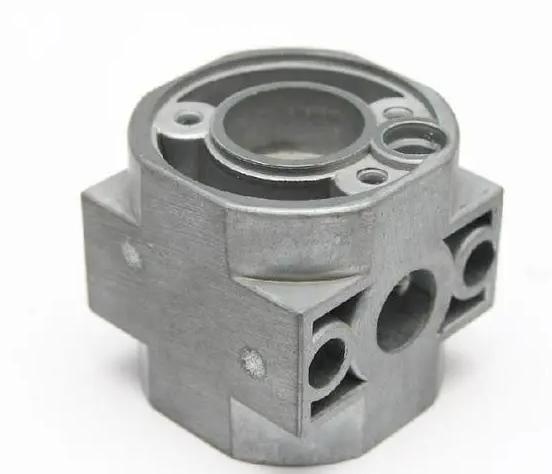
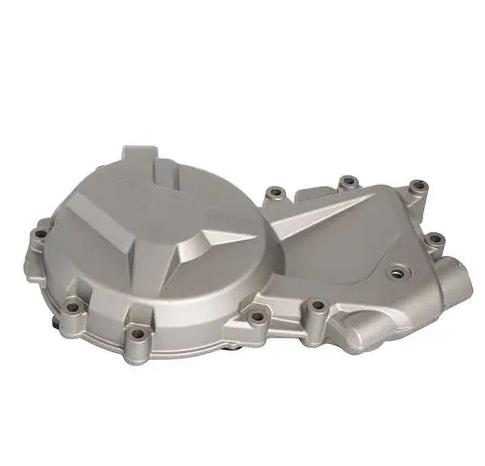
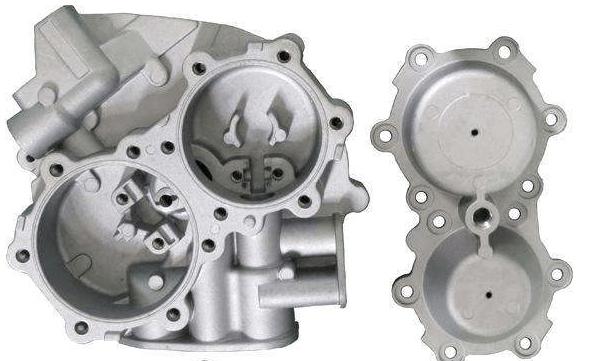
Injection molding and die casting require a significant upfront investment in tooling, often reaching tens of thousands of dollars for a single mold. However, once production volumes increase, the cost per part drops substantially. These processes are most suitable when the product design has been finalized and major design changes are unlikely.
It is worth noting that the comparison below reflects cost effectiveness and scalability at each volume stage, not the raw manufacturing capability of each process. A process scoring low at mass production can still produce excellent parts, it simply becomes less economical at that scale.
| Process | Prototype | Low Volume | Mass Production |
| 3D Printing | ⭐⭐⭐⭐⭐ | ⭐⭐☆☆☆ | ⭐☆☆☆☆ |
| CNC Machining | ⭐⭐⭐⭐⭐ | ⭐⭐⭐⭐☆ | ⭐⭐☆☆☆ |
| Injection Molding | ⭐☆☆☆☆ | ⭐⭐☆☆☆ | ⭐⭐⭐⭐⭐ |
| Die Casting | ⭐☆☆☆☆ | ⭐⭐☆☆☆ | ⭐⭐⭐⭐⭐ |
How to Know It’s Time to Change Manufacturing Processes
Switching processes too early wastes money on tooling you may not need yet. Switching too late means paying an unnecessary premium on every part. A few signs usually indicate the right moment has arrived.
1. A Stable Product Design
If your last few revisions have been minor and functional testing is complete, the risk of expensive rework has dropped significantly.
2. Growing Production Demand
Hundreds of orders instead of dozens, or thousands instead of hundreds, is a strong evidence that the per-unit cost has become more important than the flexibility.
3. Rising Cost and Production Constraints
If your current process cannot keep up with lead times or costs are climbing instead of falling as volume grows, that is a strong indicator it is time to move on.
A Practical Transition Strategy That Reduces Cost and Risk
Rather than treating prototyping and production as two separate stages, many successful products move through a series of manufacturing phases. Each phase reduces uncertainty before larger investments are made.
Stage 1: Rapid Prototyping
This stage is all on verifying product concepts fast, analyzing shape, fit and basic functionality. Common processes include 3D printing and CNC machining, both allowing for rapid turnaround without tooling commitments.
Stage 2: Low-Volume Manufacturing
Here, the emphasis is on testing assemblies and functional performance in more realistic situations. This step is good for catching design problems before you throw money at expensive production tooling, and also gathers user feedback to improve the design even further. You may make small amounts without the expense of molds.
Stage 3: Pilot Production
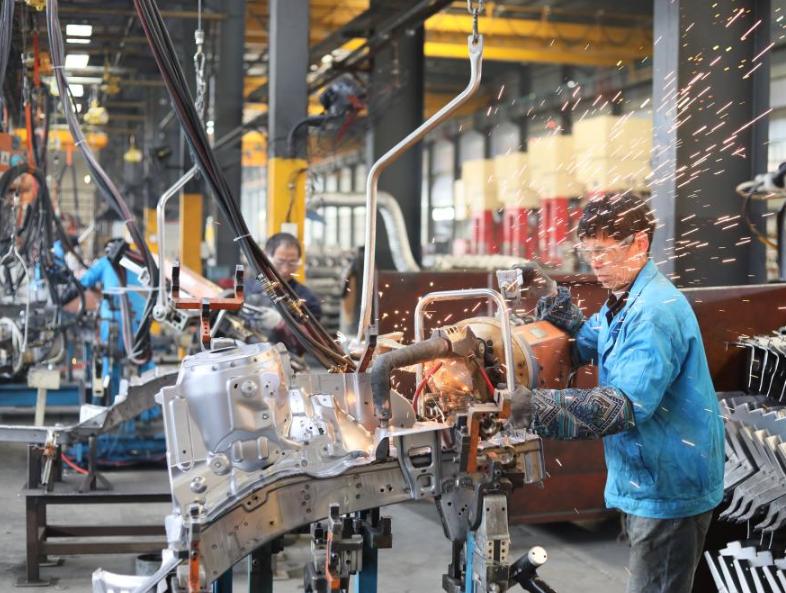
Pilot runs verify manufacturability and process capability at a slightly larger scale. This confirms quality consistency and assembly workflow, and helps identify production issues before a full-scale launch. It also validates manufacturing repeatability before the bigger financial commitment of full production.
Stage 4: Full Production
This is when to invest in production tooling once the design has been frozen. Then the focus shifts to minimizing cycle time, cost per part and quality control to grow output through repeatable manufacturing processes.
A phased transition like this helps reduce redesign costs, avoids premature tooling investments, and shortens the overall path from concept to commercial production.
Build a Manufacturing Strategy, Not Just a Prototype
Getting from a working prototype to a profitable production run is rarely about finding one perfect process. It is about matching the right process to each stage of your product’s life, and knowing when it is time to move forward.
JTR Machine is a partner for product teams throughout, working with them through each of these phases, from initial prototyping to full production tooling, helping them make that move with a minimum of surprises and a minimum of lost expenditure. If you are weighing your next step, contact us to talk through what makes sense for your specific product.