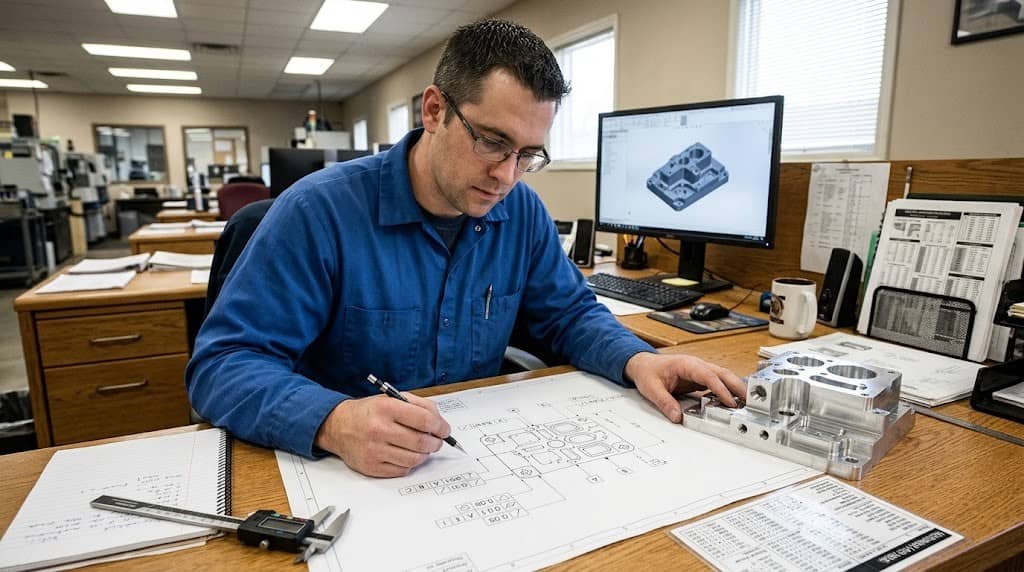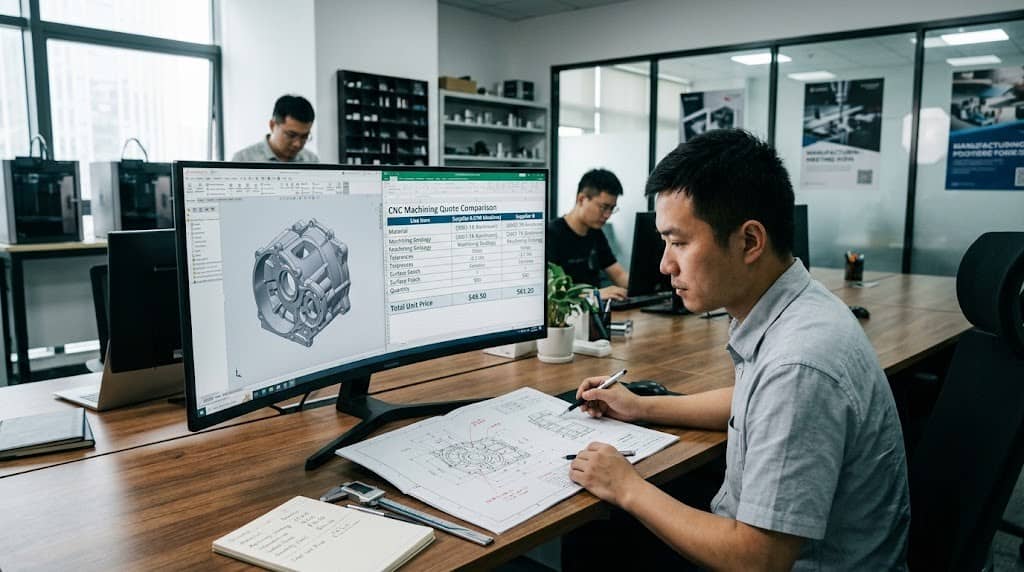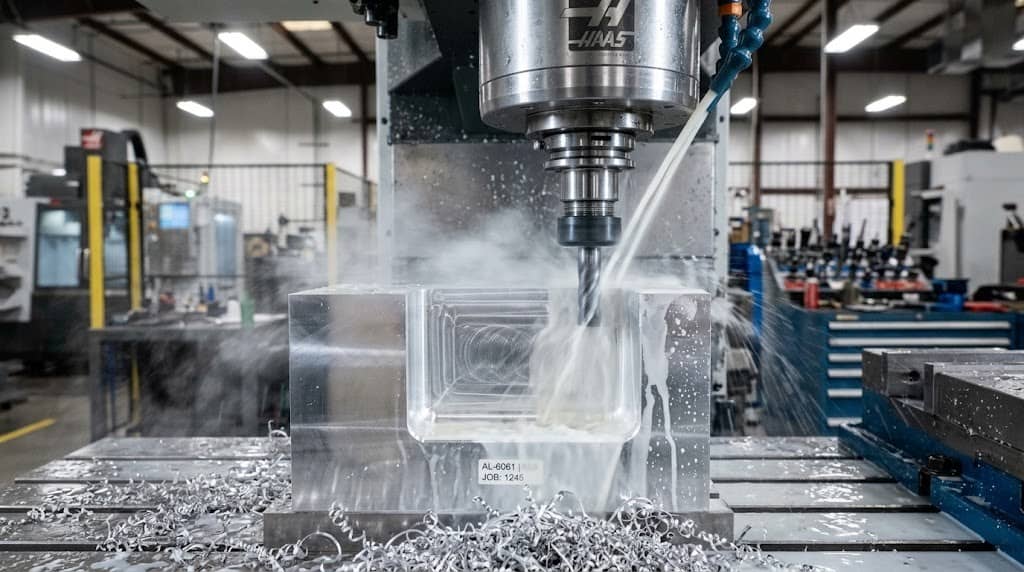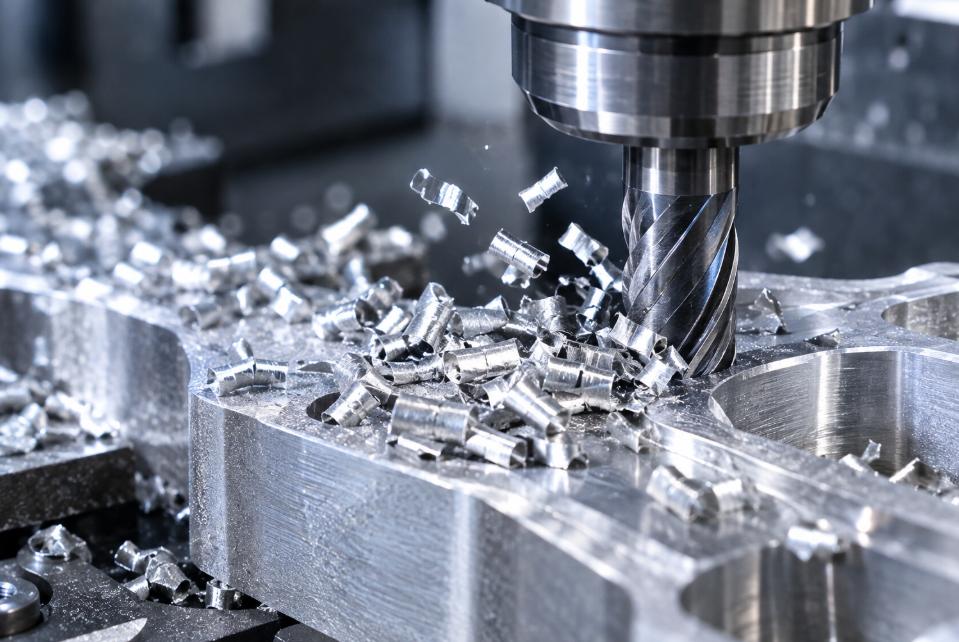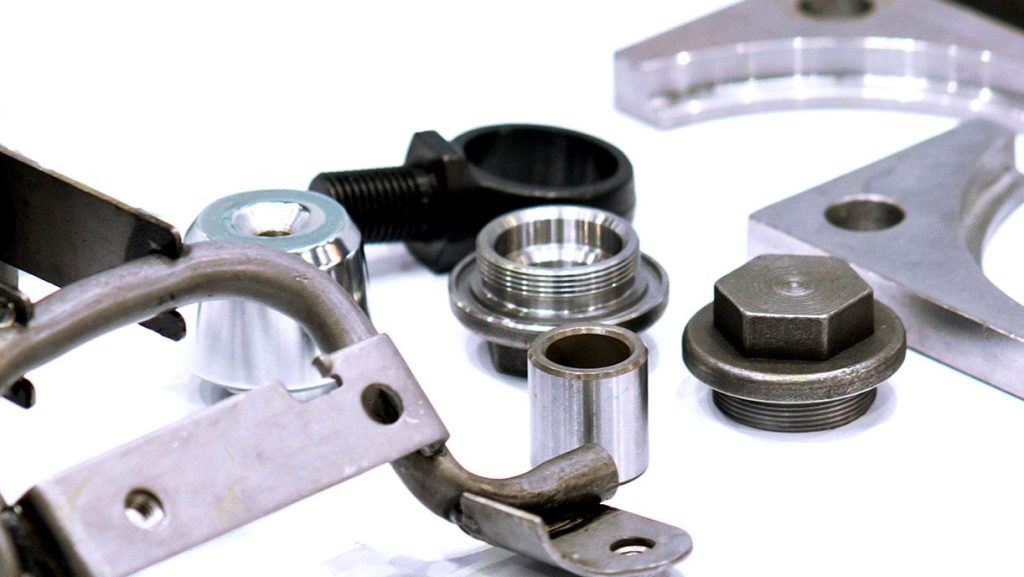


In a CAD model a sharp corner is not a problem. The difficulties generally start here in a genuine casting. Hard angles, where two walls meet, tend to show up cracks, shrinkage and uneven filling.
This is why at early stages in the design the radius of the casting fillet is of interest. This guide discusses what a fillet radius is, why it is important in gravity casting, and how to select a proper number. We also address typical faults in aluminum casting design and end with a brief checklist that you can utilize during design review.
What Is a Fillet Radius in Casting
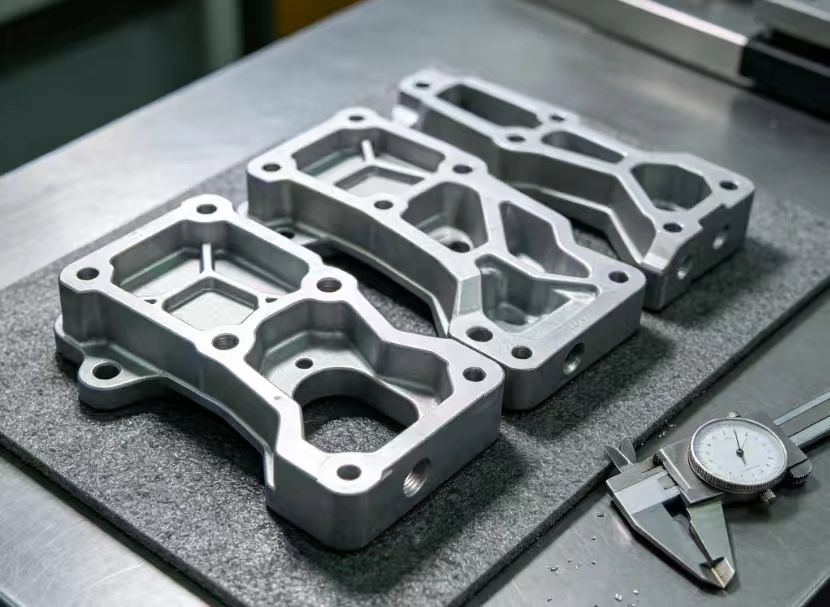
A fillet is a rounded corner on a part corner. It can be applied to inner or outside corners . This is not the same as a chamfer , which is a flat bevel . When people talk about the fillet radius in casting they are usually talking about the rounded inside corner where two walls, or a wall and a rib, join together.
A quick way to tell the three apart:
- Internal fillet: The rounded inside corner. Most of the casting difficulties start here therefore it gets the most attention.
- External radius: The rounded outside edge. It helps improve metal flow and makes the part safer to handle.
- Chamfer: A flat angled cut. It works for some edges but it does not blend a junction like a radius does.
Why Fillet Radius Matters in Gravity Casting
Gravity casting is the filling of the mold with molten metal only by the force of gravity, without any more pressure to force it in. The metal moves softly, but it still has to adapt to the cavity. Sharp corners can cause the molten metal to suddenly change its direction, causing potential interference to the flow and increasing the risk of air entrapment.
Heat is the other half of the story. The mold is usually metal which draws the heat out of the aluminum rapidly. Thin areas freeze first and the last to freeze is the thicker area at a wall intersection. If the wall intersection creates a thicker section, it can become a hot spot that is difficult to feed during solidification.
Here is what a proper fillet changes:
- Smoother filling: The rounded corners help the metal to bypass the bend, rather than crashing into the wall.
- Fewer hot spots: The material distribution at the A radius is more uniform, which is conducive to the more uniform hardening of the joint.
- Lower stress: The stress concentration at the sharp inner corner is where the crack is easy to initiate.
- Easier feeding: Gradual shapes make it easier for liquid metal to compensate for shrinkage. Our guide on gravity casting shrinkage goes deeper on this.
How to Choose the Right Fillet Radius for Gravity Casting
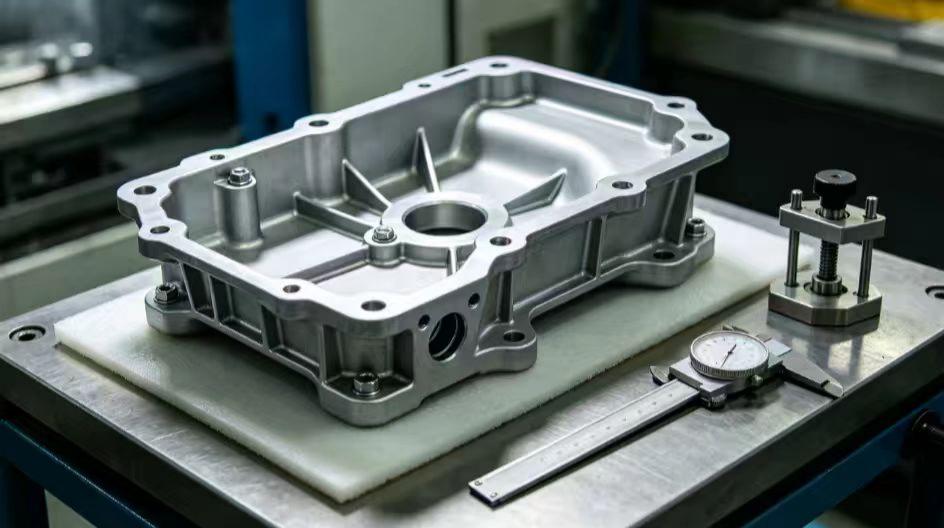
No number can fit all parts. Most casting design standards start with the wall thickness at the corner, and then modify the geometry of the corner. The small radius is a good starting point for many aluminum parts, and the following table outlines how we often think about it.
| Design Consideration | Practical Guidance |
| General corner design | Avoid sharp internal corners wherever possible |
| Typical radius range | R2 to R5 mm as an initial reference for gravity casting |
| Wall thickness | Select radii with the surrounding wall thickness in mind |
| Thick-to-thin transitions | Use gradual transitions rather than abrupt changes |
| Complex junctions | Review local material buildup and solidification behavior |
Note: These are preliminary design considerations, not definite dimensional requirements. Final values should be confirmed through casting design review.
Common Fillet Radius Mistakes in Aluminum Castings
1. Leaving Sharp Corners in the Design
This is the most common one. Any corners not rounded in the model will be sharp in the casting, and often appear later as a crack or shrinkage flaw.
2. Using the Same Radius Everywhere
Applying a single radius to the entire portion is straightforward but fails to consider local conditions. You can’t treat a fat boss and a thin rib the same way.
3. Making Internal Fillets Too Large
Bigger radius is not always good. An enlarged fillet adds material at the junction which can cause the same hot region you were attempting to avoid.
4. Ignoring Machining Requirements
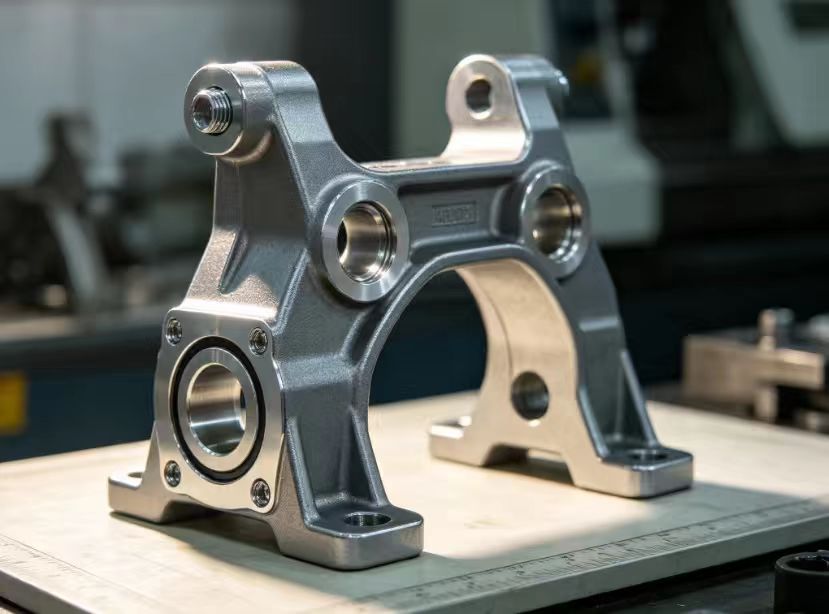
If the corner has to be CNC machined later, the final form may change from the as-cast shape. Make sure the tool can reach that area and the radius still works after machining.
Fillet Radius Design Checklist
Before you release a drawing, run through these questions:
- Corner geometry: Have unnecessary sharp internal corners been removed?
- Wall transitions: Are thickness changes gradual?
- Radius selection: Does the chosen radius fit the surrounding geometry?
- Machining allowance: Are any corners affected by subsequent CNC machining?
- Manufacturability review: Has the design been checked with the casting supplier?
Getting Fillet Radius Right Before Casting
A minor thing like a nice fillet radius can save you a lot of problems down the road. It enables the metal to flow into the mold, decreases stresses and makes solidification easier to manage. It is generally less expensive to repair a corner on the drawing than on the tooling.
At JTR, we review fillet radii as part of our DFM feedback for gravity cast aluminum parts, then follow through with CNC machining where needed. If you have a drawing you are unsure about, send us your files and we will take a look.