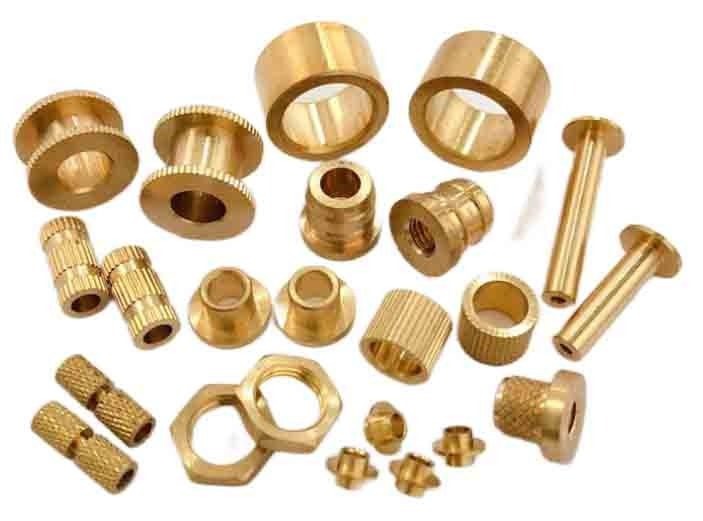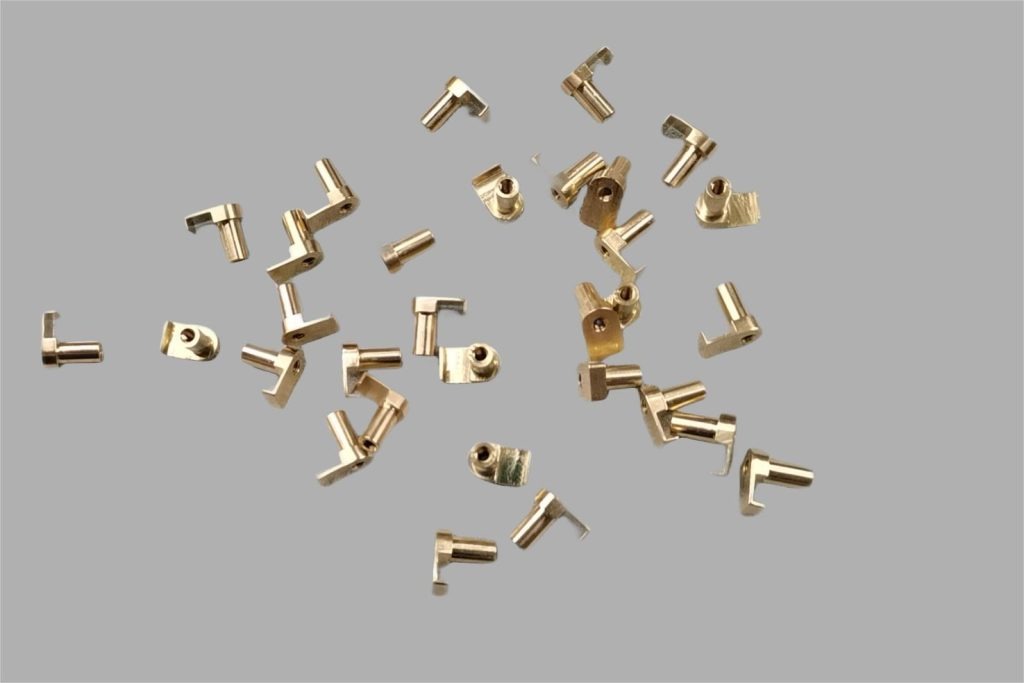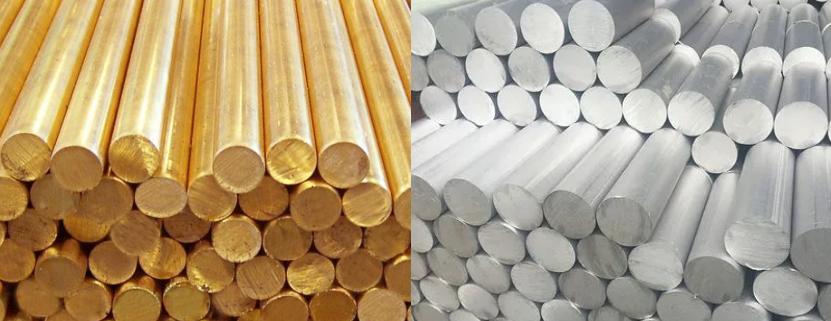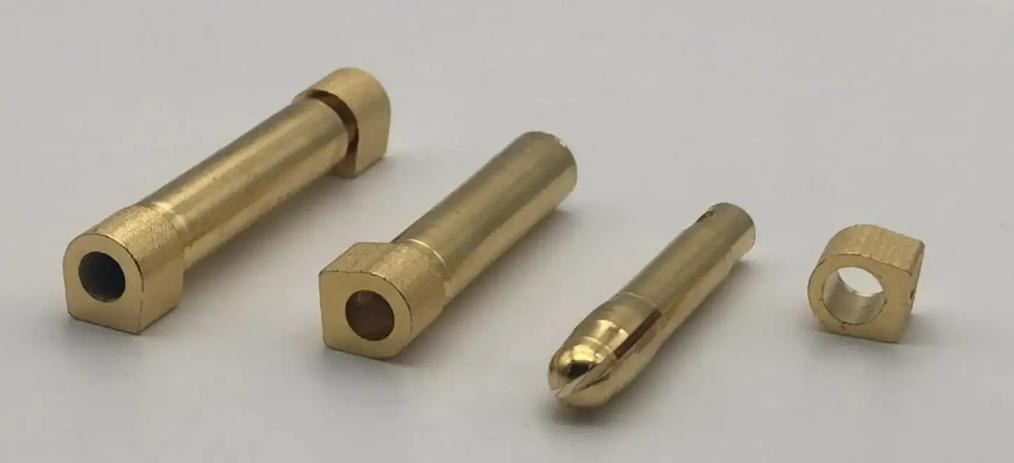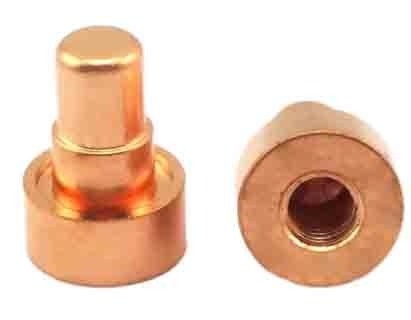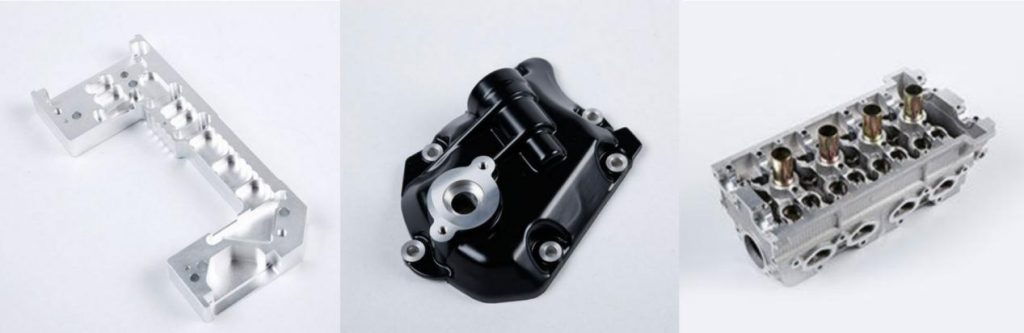


Brass, a versatile and high-performance alloy composed primarily of copper and zinc, remains a cornerstone material in precision manufacturing. Its exceptional thermal conductivity, outstanding corrosion resistance, and aesthetic appeal make brass CNC parts critical components in standard industries ranging from automotive sub-assemblies to intricate electronics hardware. However, achieving high-quality brass parts requires careful attention to machining, maintenance, and handling processes. Without rigorous adherence to professional craftsmanship, manufacturers risk tool degradation, material deflection, or surface tarnishing that can ruin tight tolerances and visual requirements.
What are the key factors for successful brass CNC machining?
Successful brass CNC machining relies on three pillars: selecting the right alloy grade (e.g., C360, C464), optimizing cutting parameters (speeds of 120-300 m/min), and implementing strict contamination, thin-wall deflection, and handling controls.
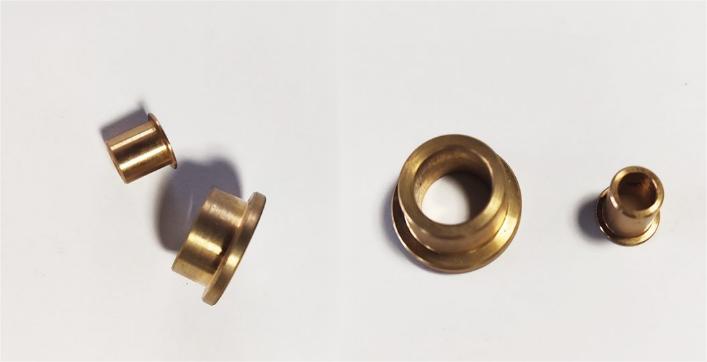
Best Machining Practices for Brass CNC Parts
Machining brass CNC parts effectively requires a thorough understanding of material properties and the application of precise mechanical techniques. As CNC materials engineers, we must balance tool mechanics with metallurgical traits to maximize yield and structural fidelity.
Choosing the Right Brass Alloy
Selecting the appropriate brass alloy is the fundamental first step towards successful machining. Brass is available in various grades, each with distinct properties that affect machinability, mechanical strength, and environmental resilience:
| Brass Alloy Grade | Common Name | Key Characteristics & Best Applications |
| C360 | Free-Cutting Brass | Known for its excellent machinability, this alloy is ideal for high-speed machining operations due to trace lead content acting as an inherent lubricant. |
| C385 | Architectural Bronze | Offers good machinability and corrosion resistance; highly suitable for decorative and structural applications requiring architectural precision. |
| C464 | Naval Brass | Provides superior strength and exceptional corrosion resistance; highly suitable for marine environments and heavy industrial applications. |
Tool Selection and Geometry
Tooling design directly dictates the thermodynamic and mechanical stresses experienced by the brass workpiece. High-speed steel (HSS) or carbide tools must be used. These materials maintain sharpness longer and resist abrasive wear. Tool geometry must opt for tools with positive rake angles and sharp edges to reduce cutting forces and improve chip evacuation. Furthermore, engineers should consider using coated tools (e.g., TiN, TiCN) to enhance tool life and reduce friction, which prevents localized heat stagnation.
Cutting Speeds and Feeds
Brass can be machined at high speeds due to its excellent thermal conductivity. Typical cutting speeds range from Vc = 120 to 300 meters per minute (400 to 1,000 feet per minute), depending on the specific tool material and operation. Feed rates must be carefully adjusted to balance between productivity and surface finish:
- Roughing Operations: For roughing, use higher feed rates ranging from 0.1 to 0.3 mm/rev (0.004 to 0.012 inches/rev) to maximize the material removal rate.
- Finishing Operations: For finishing, use lower feed rates ranging from 0.05 to 0.15 mm/rev (0.002 to 0.006 inches/rev) to achieve optimal Ra values.
Special Focus: Thin-Walled Brass Parts Optimization
When dealing with thin-walled or delicate brass components, the structural mechanics change dramatically. Due to the lower modulus of elasticity compared to steel, brass parts are highly prone to physical deformation under clamping forces. Engineers must design robust but highly calibrated workholding techniques, utilizing custom jaws or soft fixtures to distribute forces evenly and eliminate localized crushing stresses.
Furthermore, to counteract tool deflection and chatter on thin-walled sections, the cutting parameters must be adjusted toward the lower limits of the operational envelope. Engineers should utilize a shallower depth of cut and a conservative feed rate to reduce radial cutting forces. Separating roughing and finishing cycles is critical: aggressive parameters remove bulk material quickly when structural rigidity is high, while shallower cuts (0.5 to 2 mm) ensure structural integrity during final passes.
Cooling, Chip Control, and Workholding
Proper lubrication prevents thermal shock and prolongs tool life. Use water-soluble coolants to manage heat and prevent tool wear, ensuring that flow remains consistent to avoid sudden thermal gradients. For severe applications, cutting oils designed specifically for non-ferrous metals should be applied to reduce friction. Chip control is another vital vector: use tools with built-in chip breakers to manage chip formation and prevent long, stringy chips that can wrap around the spindle. Efficient, prompt chip removal from the work area prevents the re-cutting of chips, safeguarding the workpiece from micro-scratches.
Implementing real-time machine monitoring and adaptive control systems allows the system to track tool wear, cutting forces, and vibrations. These adaptive control systems automatically adjust machining parameters to maintain optimal conditions dynamically.
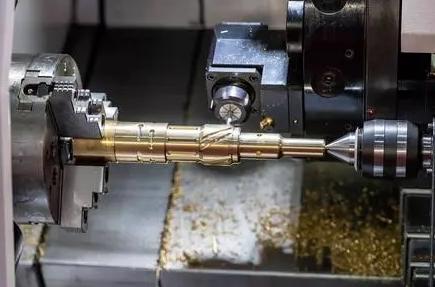
Maintaining Brass CNC Parts
Maintaining brass CNC parts is crucial for ensuring their longevity, performance, and aesthetic appeal. Proper maintenance practices include preserving surface finish, preventing corrosion, and implementing effective cleaning and storage methods.
Surface Finish and Corrosion Resistance
Post-machining surface finishing techniques are necessary to ensure long-term environmental durability:
- Polishing: Mechanical polishing involves using progressively finer abrasives to smooth and shine the brass surface, moving from coarse grits down to a mirror-like fine grit finish. Chemical polishing employs solutions such as phosphoric acid or specific brass polishing compounds to dissolve microscopic surface layers, enhancing smoothness and luster safely.
- Buffing: Utilizing soft buffing wheels and specialized fine compounds produces a high-gloss, premium finish. Technicians must apply even pressure and move the part consistently across the wheel to avoid uneven polishing or localized overheating.
- Electroplating: Applying a thin layer of another metal, such as nickel or chrome, improves surface hardness and provides maximum protection against extreme conditions. Parts must be cleaned thoroughly to remove all micro-contaminants before electroplating to prevent adhesion failure.
Protective Coatings and Passivation
To shield finished brass from atmospheric oxidation, protective coatings are highly recommended:
- Lacquers and Varnishes: Clear lacquer or varnish forms a durable protective barrier against environmental factors. Parts must be completely dry before a uniform spray or brush method is executed, followed by an uninterrupted curing cycle.
- Wax Coatings: Wax coatings provide a temporary protective layer that can be easily reapplied as needed, making them particularly useful for decorative brass items. Apply a thin layer using a soft cloth, then buff the surface to a high shine.
Cleaning and Long-Term Preservation
Regular cleaning prevents the buildup of dirt and oxidation. Use mild, non-abrasive cleaners specifically formulated for brass. A solution of mild soap and warm water works exceptionally well for routine cleanings, provided the parts are rinsed thoroughly and dried with a soft cloth. When tarnish occurs due to ambient oxidation, chemical tarnish removers or a homemade paste of equal parts vinegar and flour can be applied to restore the brass’s original luster.
For storage, a strictly dry environment is mandatory to prevent moisture-induced corrosion. Technicians should place silica gel packets or other desiccants in storage containers and maintain a controlled humidity level in the warehouse. Wrap brass parts in specialized anti-tarnish paper and use foam or bubble wrap padding to cushion parts against physical scratches. Establish a routine inspection schedule based on storage conditions, keeping detailed records of inspections and any maintenance performed.
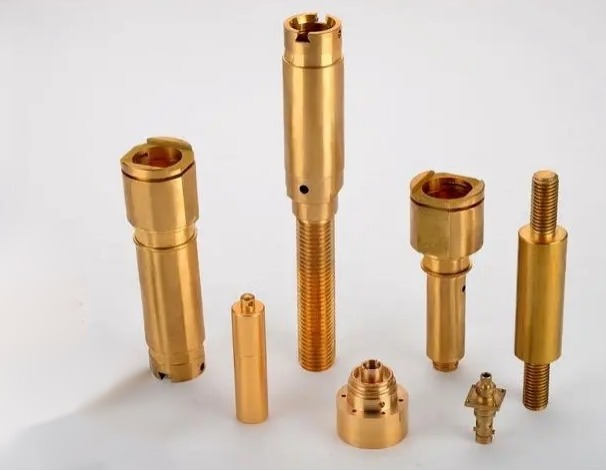
Handling Brass CNC Parts
Proper handling of brass CNC parts is essential to maintain their integrity, quality, and functionality. Mishandling can lead to physical damage, contamination, and other issues that may compromise the part’s performance.
Safety Precautions and Operator Guidelines
Operators must strictly wear personal protective equipment (PPE). Nitrile or latex gloves are mandatory to prevent natural skin oils and sweat from contaminating the brass surface, which easily leaves permanent fingerprint tarnish marks. Safety glasses must be worn to protect eyes from metal fragments during deburring or handling parts with unfinished edges. For sensitive electronic applications, operators must enforce Electrostatic Discharge (ESD) protection measures, including ESD-safe gloves, grounding straps, and grounded workstations. Additionally, always maintain a clean, organized workspace free of scattered metal debris to prevent accidental contact scratches.
Troubleshooting Common Manufacturing Issues
| Common Manufacturing Issues | Root Cause | Expert Solutions & Corrective Actions |
| Burrs & Sharp Edges | Standard machining shearing and material displacement at exit cuts. | Thoroughly deburr parts. Use manual deburring tools, files, or abrasive pads with consistent pressure, or employ mechanical vibratory tumbling with media calibrated for brass to avoid excessive material removal. |
| Dimensional Inconsistencies | Thermal machine drift, tool wear, or structural vibration. | Regularly calibrate and maintain CNC machines. Implement rigorous quality control, including First Article Inspection (FAI) to verify tolerances before mass production, and regular In-Process Inspections to catch deviations early. |
| Surface Scratches & Dents | Improper stacking or rough handling between operational cells. | Use soft, non-abrasive materials to cushion brass parts during handling. Avoid stacking parts directly on top of each other without protective layers in between. Address minor scratches promptly using fine abrasives or polishing compounds. |
| Surface Contamination | Exposure to cutting fluid residues, shop oils, or bare hands. | Keep hands and tools completely clean. Use specialized degreasing agents if contamination occurs, and ensure thorough cleaning before final assembly or packaging. |
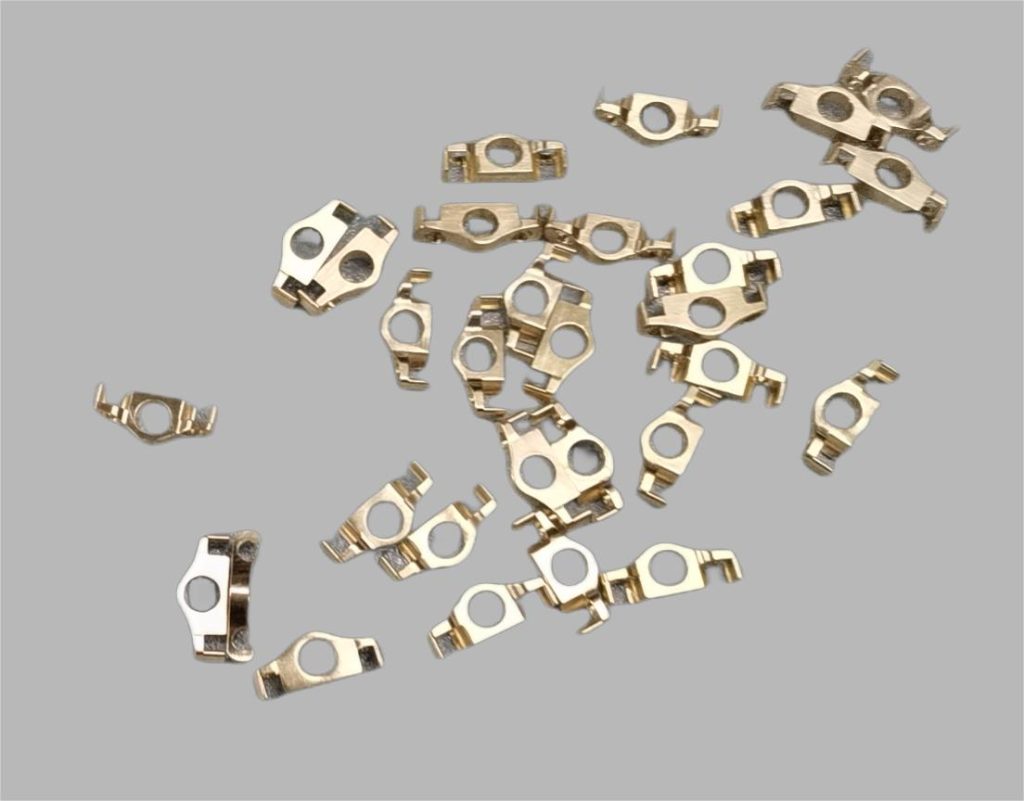
Conclusion
By following these best practices, manufacturers can significantly enhance the efficiency and quality of machining, maintaining, and handling brass CNC parts. Selecting the right brass alloy, employing proper machining techniques, and implementing appropriate maintenance and storage strategies will not only maximize the lifespan of your parts but also preserve their functionality and aesthetic appeal. Continuous improvement and adaptation of these practices to specific machining environments will further optimize the production of high-quality brass components.
Looking for a Reliable Brass CNC Machining Partner?
Manufacturing high-tolerance and thin-walled brass parts demands seasoned expertise and advanced machining capabilities. If you want to find a brass CNC parts machining provider, please feel free to contact JTR Machinery. They can provide you with quality products and excellent supportive services tailored to your exact engineering specifications.