

What is CNC Small Parts Manufacturing?
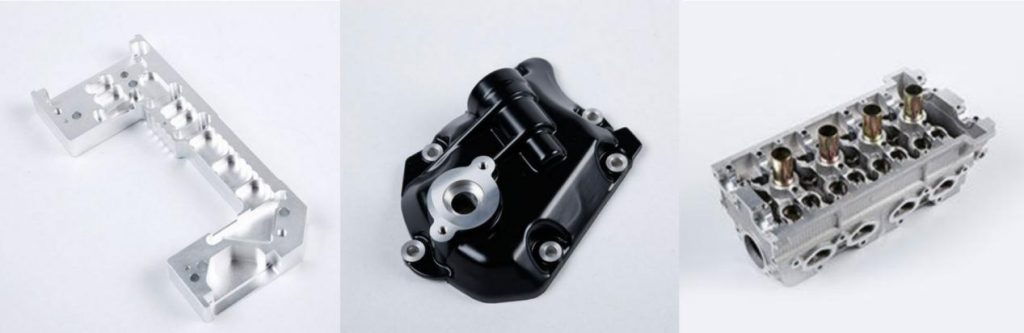
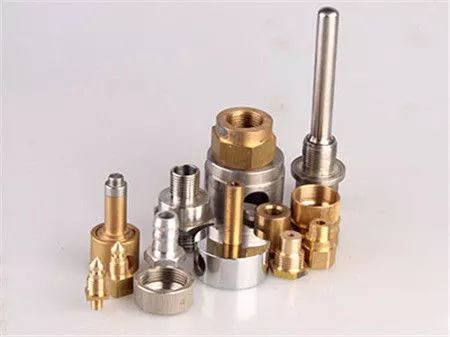
CNC small parts manufacturing in precision manufacturing is an automated fabrication process where Computer Numerical Control (CNC) machines follow pre-programmed telemetry to mill, turn, or erode raw stock into miniature parts. When you are working with part geometries that measure in the millimetres or need tolerances tighter than +/- 0.005 mm, manual machining is no longer a viable option.
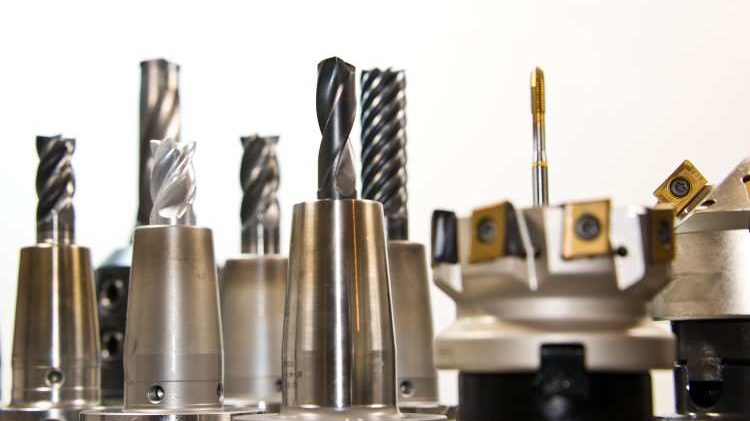
From an engineering point of view, this methodology is entirely based on digital mathematical code, specifically G-code and M-code, to define feed rates, spindle speeds, tool changes, and multi-axis coordination. CNC technology takes the physical variables of manual operators to create a stable and repeatable environment, which allows for high velocity chip removal and intricate surface scaling with little human intervention. The primary objective of this process is to reach a compromise between the cycle times and the required surface finish, while preserving the mechanical integrity of thin walls and micro-features.
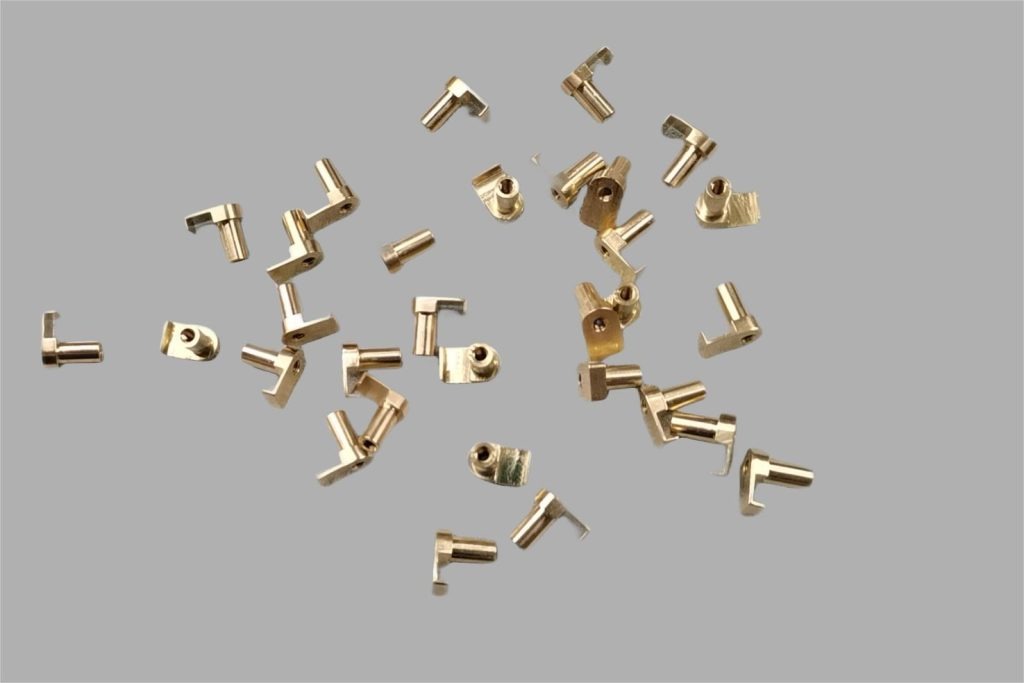
What is CNC Small Parts Manufacturing?
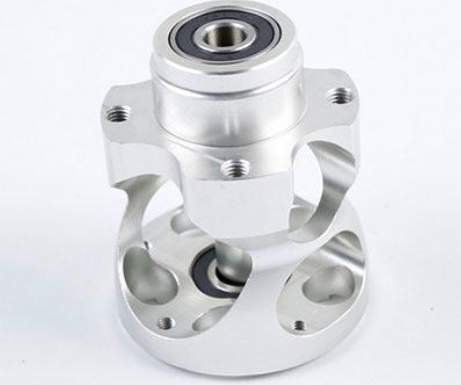
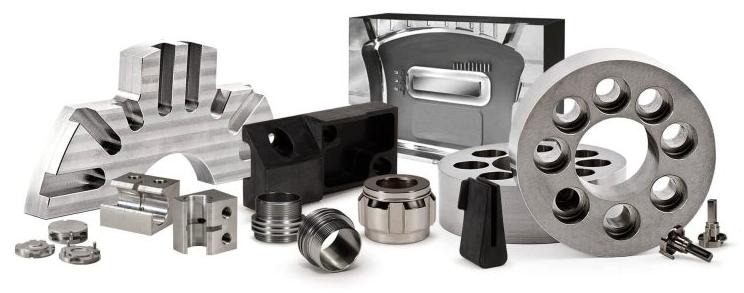
CNC Small Parts Manufacturing refers to the process of creating small and intricate components using Computer Numerical Control (CNC) machines. CNC machines are automated tools that follow pre-programmed instructions to control the movement of machinery and tools. In the context of small parts manufacturing, CNC technology allows for precise and detailed machining of components with minimal human intervention.
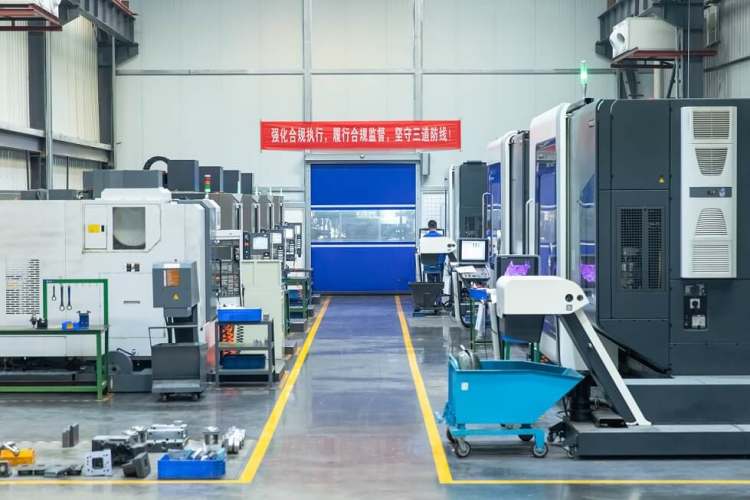
7 Types of CNC Machines Engineered for Micro & Small Parts
The right machine architecture will determine if a low-scale part stays within print tolerances or deflects during the cut. Specific geometric requirements require different kinematic configurations.
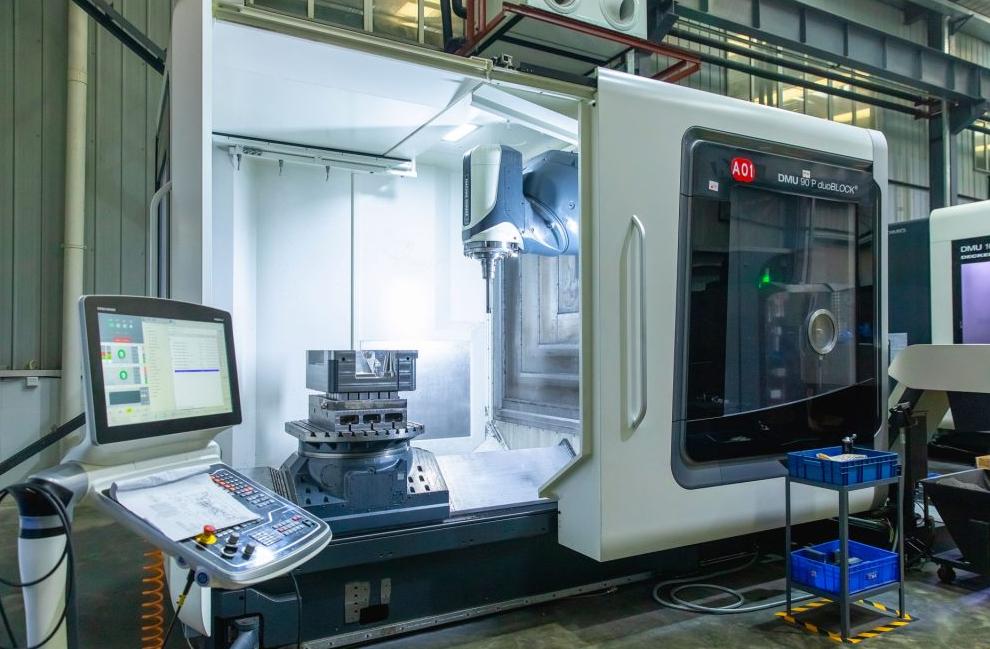
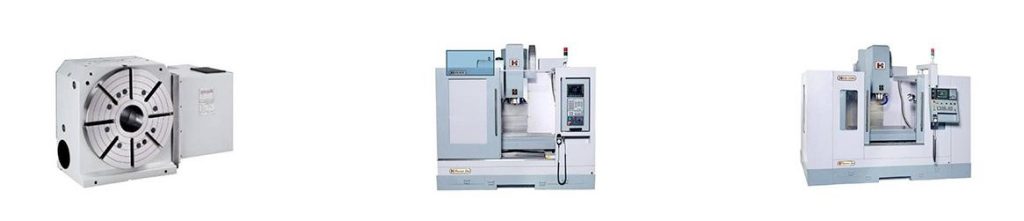
1. CNC Milling Centers (VMC & HMC)
- Vertical Machining Centres (VMCs): These systems have a vertically positioned spindle in which the cutting tool comes down to the workpiece. The raw stock is fastened to a stationary table or multi-axis trunnion. VMCs are great for shallow, flat profiles for 2.5D and 3D profiling, spot drilling and high-speed pocketing operations.
- Horizontal Machining Centres (HMCs): An HMC has a horizontally oriented spindle, and the workpiece is mounted on a rotating tombstone layout. In horizontal position, chips are assisted by gravity to move away from the cutting region and thus avoid chip recutting. This configuration allows for optimal multi-sided machining of complex prismatic geometries without dropping the part to clear debris.
2. Advanced CNC Turning & Swiss-Type Machines
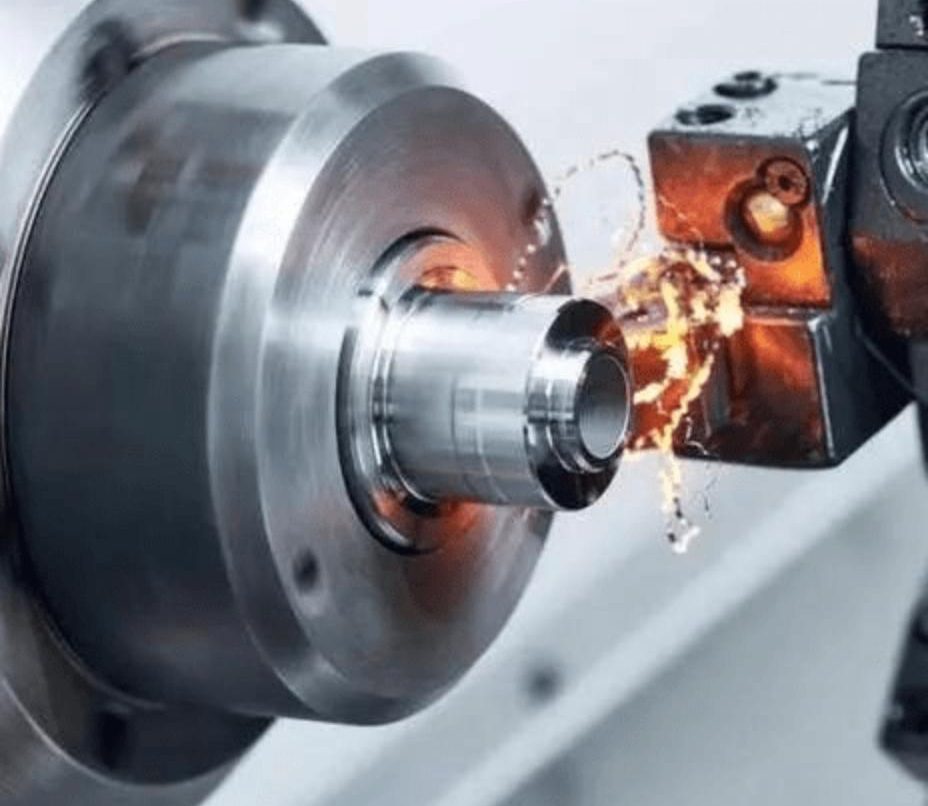
- CNC Lathes: These are machines used to manufacture axisymmetric components. The workpiece is rotated at high revolutions per minute (RPM), and the indexable insert tools profile the outside or bore the inside diameter. It is the usual practice for concentric small parts like custom pins, stepped shafts and threaded inserts.
- CNC Swiss Machines: A standard lathe cannot prevent part deflection when machining ultra-small, high-aspect-ratio components. Swiss-type CNC machines use a sliding headstock and a guide bush. The material is led through the guide bushing so that all cutting forces are applied only a few millimetres away from the point of support. This mechanical layout eliminates part flex and enables us to turn, mill, cross-drill and back-face extremely slender parts simultaneously without structural deformation.
3. Non-Traditional Precision Cutting Machines
- CNC Wire EDM (Electrical Discharge Machining): This method utilises rapid electrical spark discharges between a continuously fed thin brass or zinc-coated wire and the workpiece to remove conductive material. Wire EDM is the perfect process for cutting sharp internal corners, deep slots and fragile geometries in hardened tool steels that would destroy conventional end mills, and with zero physical cutting forces.
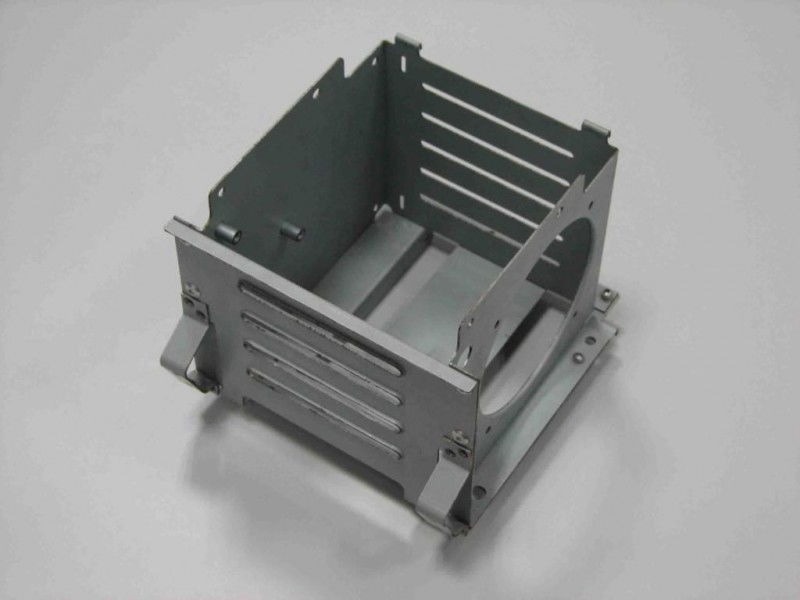
- CNC Laser and Waterjet Cutting Machines: Laser centres blast out a highly concentrated thermal beam that vaporises or melts exact profiles out of thin sheets. Waterjet systems pressurise water to 60,000 psi or more and mix it with garnet abrasives that cut paths through material. These systems are very good at high speed blanking out flat profiles from sheet stocks without disturbing physical properties of the material surrounding the blanked profile.
4. CNC Grinding Machines
If a part demands a mirror surface finish or sub-micron dimensional stability, we send it to a CNC grinder. These machines use abrasive wheels operating at high surface speeds to remove tiny amounts of material to create accurate outside diameters, flat faces and proper geometry on critical mating surfaces.
Engineering Note: Equipment capability limits production. JTR Machine has a factory with a full range of over 70 precision CNC processing units, from multi-axis lathes to high-speed milling lines, precision drilling to cylindrical grinders, to find the most suitable for part geometry with the right machine layout.
High-Performance Materials Used in Precision Micro Machining
The material choice determines the tool choice, the kind of chip break, the directions of tool wear, and the loads on spindles.
1. Metals & Alloys for Industry
- Aluminum (6061-T6 / 7075): Lightweight, easily machined and corrosion resistant by nature. Its structural properties make it the material of choice for aerospace avionics chassis, camera rigs and high frequency sensor housings.
- Stainless Steel (304 / 316 / 17-4 PH): Known for its mechanical strength, hardness, and high resistance to corrosion. Its cutting resistance is higher, and it causes fast tool wear. It is still necessary for parts that require high structural durability or strict biocompatibility.
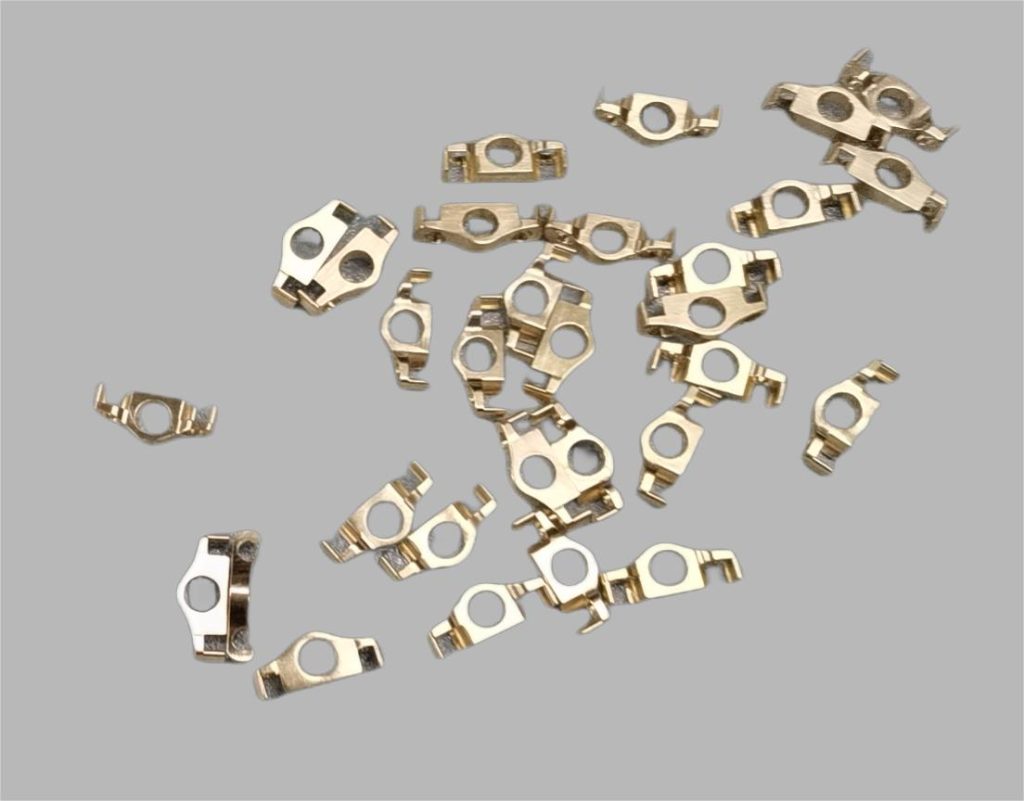
- Brass (C36000 Free-Cutting): Has excellent thermal and electrical conductivity and a low coefficient of friction. It machines easily, with low tool wear and excellent surface finishes.
2. Engineering plastic
- Acrylic (PMMA): Rigid, transparent thermoplastic widely used where optical transmission or direct internal inspection is required. For this, you need sharp tooling and controlled heat management to prevent cracking and chipping on exit cuts.
- Nylon (PA66): High mechanical strength, impact dampening qualities, chemical resistance. It also absorbs moisture from the surrounding air and this must be considered to maintain dimensional compliance over time.
- Delrin / POM (Polyoxymethylene): The ideal polymer for precision machining. It has high structural stiffness, low moisture absorption and excellent dimensional stability. We use it to machine low friction micro gears, wear strips and insulating electrical standoffs.
3. Advanced Composites
- Carbon Fibre Reinforced Polymers (CFRP): Very high strength-to-weight ratio. Machining of CFRP requires special diamond-coated tools to grind the abrasive fibres without delamination of the layers.
Top 10 Benefits: Why Choose CNC for Small Parts Production?
- Precision and Accuracy: CNC platforms can accurately hold tolerances within micron boundaries for multi-day production runs by directly converting digital models into mechanical axis steps.
- Complex Geometries: Multi-axis CNC platforms coordinate the motion of multiple axes simultaneously, performing undercut milling, complex compound angles and micro-cavities that cannot be physically reproduced by conventional manual machine setups.
- Repeatability: Once a G-code programme is optimised and verified, the machine produces the same toolpath, no deviation – part 1 and part 10,000 are dimensionally the same.
- Versatility: CNC equipment can efficiently process a wide range of materials, from soft polymers to hardened tool steels and dense composites, all on the same basic structural framework.
- Efficiency and Speed: High speed spindles and rapid traverse rates dramatically cut cycle times versus manual processing.
- Cost-Effective: Automation decreases the number of active operators and the use of efficient toolpath optimisation decreases the amount of scrap generated and the overall cost per part in longer volume runs.
- Customisation: To change a component design, we need to update the CAD/CAM software model and then re-export the G-code text file so that we can quickly make the design revisions.
- Scalability: CNC workflows scale well from a single functional prototype all the way through full-scale high-volume manufacturing campaigns.
- Automation: With bar feeders, pallet changers and tool setters, machines can run continuously to reduce human exposure to heavy cutting cycles and manual setup errors.
- Quality Control: Built-in tool setters, in-machine touch probes and real-time spindle load monitors check tool wear and feature dimensions during production to keep parts within specification.
Industry Applications: Where Are CNC Small Parts Used?
The industry-wide reliance on micro-components demands strict adherence to tight tolerances. The structural and dimensional requirements depend on the intended deployment environment.
| Industry | Specific Applications of CNC Small Parts |
| Aerospace | Miniature planetary gears, high-frequency connectors, lightweight sensor housings, mounting brackets, and instrument panel assemblies. |
| Medical | Titanium orthopedic bone screws, specialized dental implant prosthetics, diagnostic enclosure assemblies, and miniature fluidic connectors. |
| Electronics | Shielded RF connector blocks, high-density micro-brackets, specialized PCB housings, and semiconductor test fixture components. |
| Automotive | Exhaust gas sensor housings, electronic fuel injection spray nozzles, and small brackets for ADAS camera modules. |
| Telecommunications | Fiber optic coupling aligners, coaxial microwave connectors, and high-frequency antenna wave-guide assemblies. |
| Defense & Military | Structural components for mechanical fuzes, guidance fin linkages, and internal optical lens housing rings. |
| Precision Engineering | Micro-scale escapement gears, custom miniature machine screws, optoelectronic lens mounts, and laser diode spacers. |
| Robotics & Automation | Zero-backlash harmonic drive components, joint articulation linkages, and micro-gripper structural components. |
| Consumer Electronics | Internal camera suspension frames, structural multi-port connectors, and machined exterior buttons for mobile devices. |
| Tool & Die Manufacturing | Core pins for plastic injection molds, micro-punches, and custom indexable cutting tool holder geometries. |
Final Words: How to Choose the Right CNC Small Parts Manufacturer
The modern small parts of high accuracy are produced with the required rigidity and automation by CNC technology. Quality consistency means the component’s structural requirements, machine configuration, and tool paths are stable, and the material is correctly selected. When you have complex runs that require tight conformance to print specs, you need an experienced manufacturing partner. JTR Machine has the equipment access and technical expertise you need to run your high-tolerance machining projects efficiently. Email JTR Machine directly to submit your step files for a full design-for-manufacturability review and official production quote.