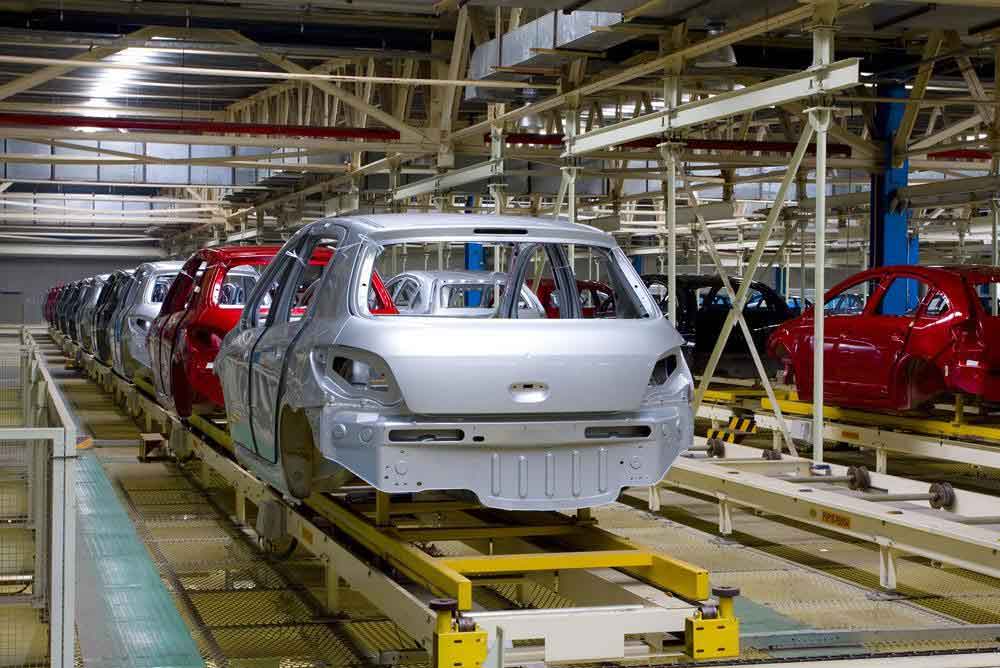


Custom metal parts were a patchwork of vendors. One for machining, one for welding, one for surface finishing and so on. And that worked for a time. But with shorter product timetables and higher expectations for quality, the flaws in that model are starting to show.
This challenge is especially common in industries such as industrial equipment, automation systems, robotics, energy equipment, and commercial machinery, where custom metal components often require multiple manufacturing processes before final assembly.
In this guide, we explain why fragmented supply chains cause more problems than they solve, what customers truly gain from collaborating with a one-stop manufacturing partner, and what to look for when selecting one.
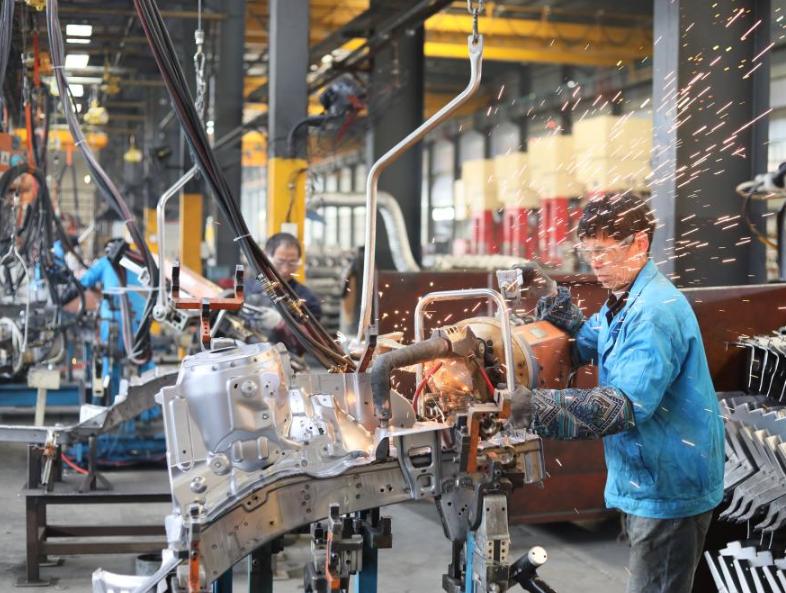
The Hidden Traps of a Fragmented Supply Chain
Many procurement teams don’t realize the full cost of managing multiple vendors until they’re deep in a project. The issues tend to be less about any single supplier failing and more about the gaps between them.
- The “Blame Game” on Quality: When a part goes through separate machining, welding, and surface finishing vendors, pinpointing who caused a defect becomes nearly impossible. Each supplier points to the previous one, and you’re left managing disputes instead of fixing the problem.
- Ballooning Freight & Logistics Costs: Moving semi-finished parts between specialized shops adds up quickly—not just in shipping fees, but in transit risk, packaging damage, and delays at each handoff. These are costs that rarely show up in the original quote.
- Admin Burnout: Procurement teams are often exhausted from juggling purchase orders, NDAs, revision updates and timelines with five separate contacts. Studies on supply chain management have repeatedly shown that supplier fragmentation is a major source of operational inefficiency.
What these challenges have in common is that they tend to compound over time. One vendor’s delay impacts the next, quality conflicts block production, and admin overhead leaves your team reacting instead of strategising.
Why Are Buyers Shifting Integrated Manufacturing Partners?
More and more purchasers are stepping back and wondering, “What if one partner handled all of it?” Integrated manufacturing solutions are not a temporary trend. It represents a real change in how firms think about supply chain management and risk.
Single-Point Accountability
One of the most undervalued perks of dealing with a single bespoke metal parts maker is knowing exactly who is responsible for the final output.
- End-to-end responsibility: One partner is responsible for the whole process, from raw material selection to the final surface treatment. If something’s wrong, you know where to go.
- Consistent standards: Quality control is typically more consistent within a single facility than checking parts every time they change hands between vendors.
- Fewer communication gaps: When all specs, engineering changes and quality needs are funnelled through one team, the chances of something getting lost in translation are greatly reduced.
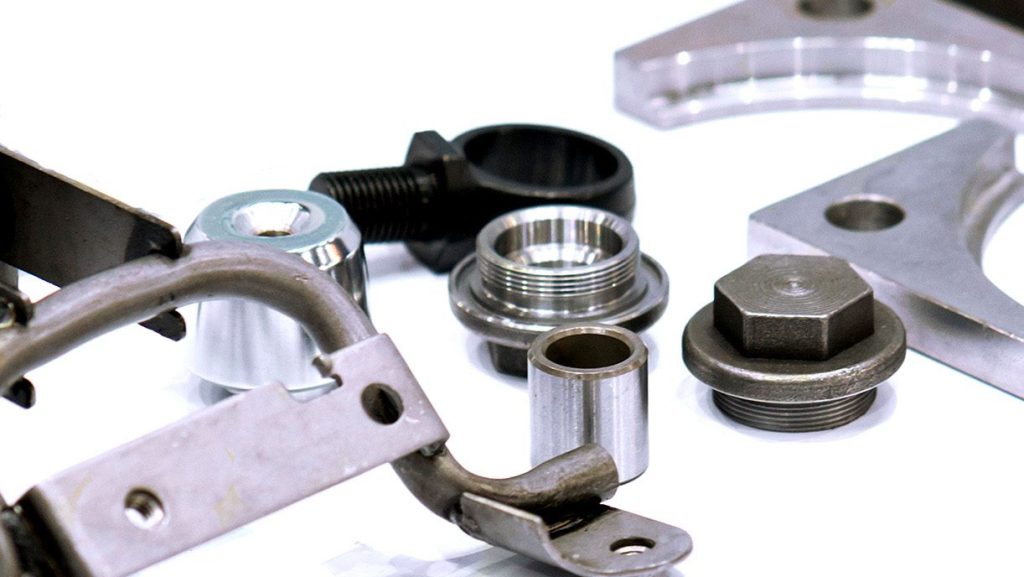
Faster Time-to-Market
Speed is important and one-stop production truly delivers here, not just in principle.
- Eliminating transit downtime: From CNC machining to anodizing, all under one roof in hours, not days. In a traditional multi-vendor setup, a project may require several separate shipments between machining, welding, finishing, and assembly suppliers. Eliminating these handoffs can often reduce lead times by several days or even more than a week, depending on project complexity.
- Agile troubleshooting: If there is an engineering issue in production, the internal teams can communicate and make changes on the fly. No waiting for a reply from some other facility by email.
- Fewer scheduling conflicts: Coordinating machining, fabrication, finishing, and assembly through a single supplier removes the mismatched timelines that routinely cause delays in multi-vendor setups.
Better Cost Predictability
As for the budget, it’s usually best to bundle your contract manufacturing services with a single partner, not just at the beginning, but throughout the entire project.
- Economies of scale: A single partner handling more of your volume often unlocks better pricing than splitting the same work across multiple vendors.
- Less unexpected costs: You get a single, all-in quote for the complete scope of work, no more surprise freight charges or other hidden costs that pop up as parts change hands between middlemen.
The table below comparing the two ways along the metrics most important to procurement teams:
Comparison Table
| Sourcing Metric | Traditional Multi-Vendor Model | One-Stop Custom Manufacturing |
| Lead Time | Longer (high transit time between shops) | Shorter (seamless in-house transitions) |
| Logistics Costs | High (multiple shipping fees & packaging) | Low (only one final shipment to your door) |
| Quality Control | Fragmented (high risk of vendor disputes) | Unified (single-point accountability) |
| Communication | Complex (tracking multiple POs and contacts) | Simple (one dedicated project manager) |
Choosing the Right Integrated Manufacturing Partner
The only way supplier consolidation works is if the partner you’re consolidating around can truly deliver. Here’s what to look for:
- Diverse In-House Capabilities: Think beyond milling or turning. Does the partner provide casting, sheet metal fabrication and finishing under one roof? The more you have in-house, the less hand-offs your project has to go through.
- Engineering Support (DFM): A solid partner provides Design for Manufacturability (DFM) comments early in the process before production commences. This upfront involvement can help avoid costly redesigns down the road, and is a good sign of a partner with long-term thinking.
- Robust Quality Certifications: Look for recognized standards such as ISO 9001 that cover the whole production process, not just one department. Certifications show that quality systems are a part of operations, not something added after the fact.
- Scalability: Your partner should be able to meet your quick prototype needs as well as big volume production runs without changing your vendor or workflow. Consistency across project sizes is important.
Ready to Simplify Your Supply Chain for Your Next Project?
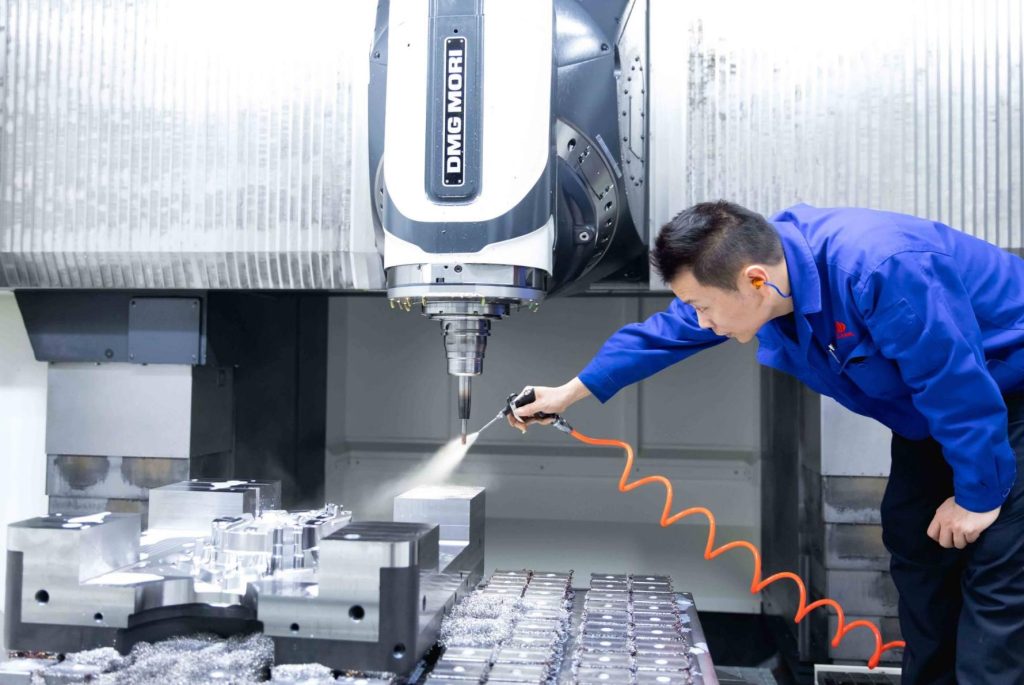
Fragmented supply chains add substantial costs in time, quality control and team bandwidth. The case for partnering with one integrated manufacturing partner just continues getting stronger for enterprises buying custom metal parts in volume.
JTR provides a complete set of custom manufacturing services, including CNC machining, gravity casting, sheet metal fabrication, surface finishing, and assembly, all under one roof, and all backed by ISO 9001 certification. Whether you’re at the prototype stage or ready for mass production, our team handles the complexity so you don’t have to.
Contact us and upload your drawings to discuss your project and receive a free DFM review.