

When you’re sourcing aluminum parts, one of the first decisions engineers face is whether to extrude the profile or machine it from a solid billet. Both can produce high-quality results, but they don’t cost the same, and they’re not suited for the same applications. Choosing the wrong method can quietly inflate your per-part cost before the first part even ships.
This guide breaks down the core difference between extrusion machining and CNC machining, walks through where the money actually goes in each process, and explains how a hybrid extrusion machining strategy can help you reduce CNC machining cost without sacrificing precision. Whether you’re designing a new aluminum profile or reviewing an existing process, here’s what you need to know.
Understanding the Core Difference Between Extrusion and CNC Machining
Both processes are mature, proven methods for working with aluminum, but they serve different design goals and production scenarios.
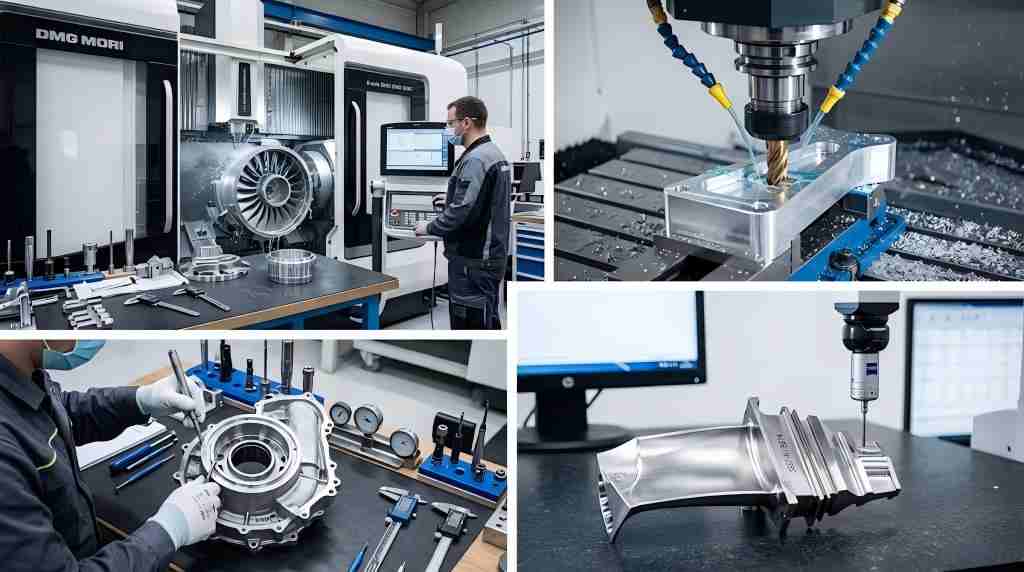
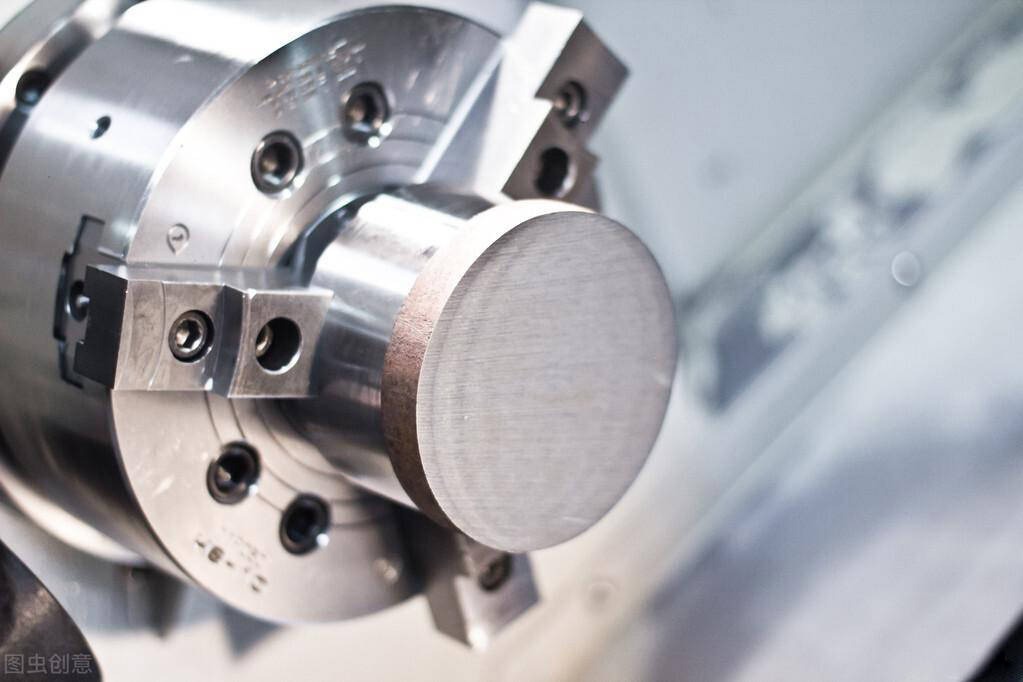
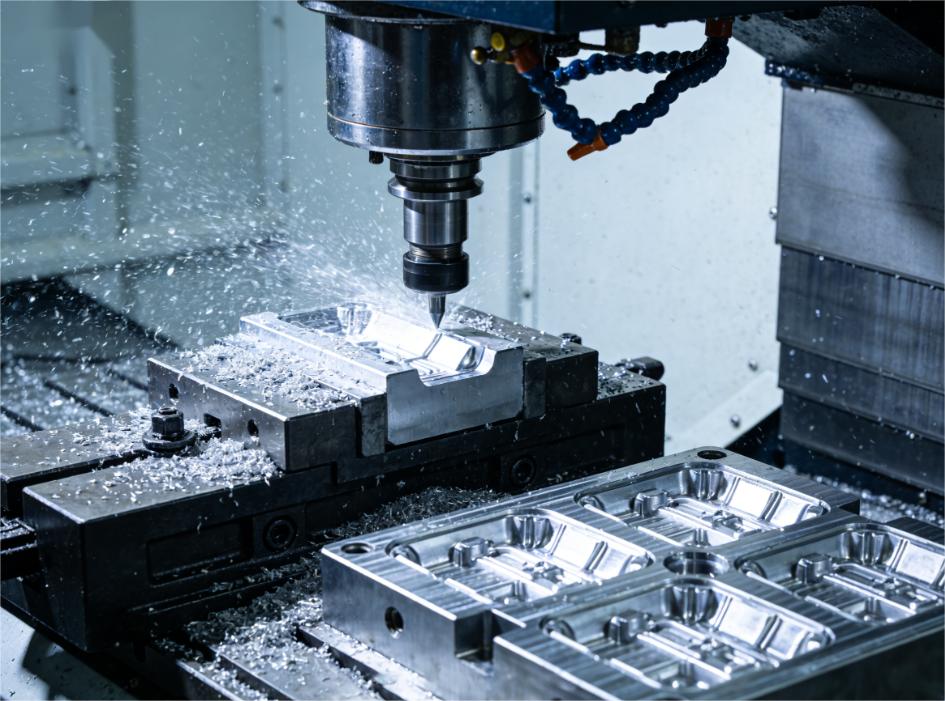
CNC Machining: CNC-controlled cutting tools remove material from an aluminum billet until a desired shape has been realized. It handles virtually any geometry with tight tolerances, but the removed material becomes chips and scrap.
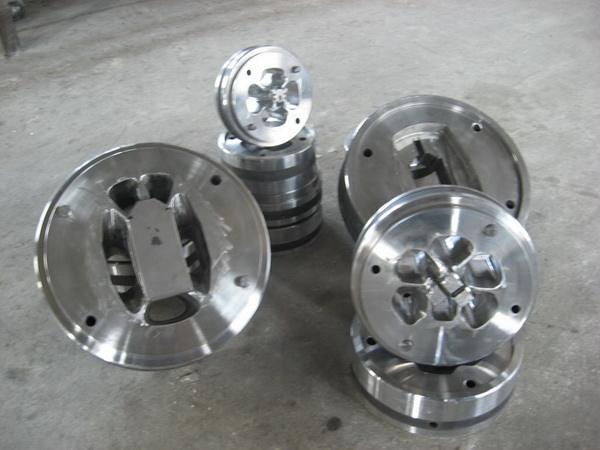
Metal Extrusion: Metal extrusion is a near-net-shape forming process in which heated aluminum is forced through a custom steel die, producing long and continuous profiles with very minimal material loss at each step of its formation. The cross-section is formed directly, so very little material is wasted during production.
CNC Machining Cost vs. Extrusion Cost: Where Does the Money Go?
The difference in cost between the two methods may not be obvious at the quoting stage but it becomes clear when you get to production. Here are the key drivers:
- The Weight of Material Waste: CNC machines produce an abundance of aluminum chips that don’t end up as part of the final part. As a result, you are paying for raw material that does not end up as finalized parts. For complex cross-sections, the buy-to-fly ratio can be quite high. In some structural aluminum parts, the starting billet may weigh several times more than the finished component. Extrusion produces close to the finished shape right out of the die, so material utilization is far more efficient.
- Tooling & Setup Fees: CNC machining requires fixtures, workholding, and perishable cutting tools that must be replaced on a regular basis. Extrusion requires a custom steel die upfront. This is the primary extrusion cost at the start of a project. But once made, that die runs for thousands of parts with minimal additional tooling expense.
- Cycle Times: An extruder can produce meters of aluminum profile per minute. Machining a complex cross-section from a solid billet involves many passes and tool changes, all of which add to machine time. That is a direct driver of CNC machining cost.
Taken together, these three factors shape the total cost picture for any given part. The table below summarizes how the two processes compare across key cost dimensions.
Comparison Table
| Cost Factor | Metal Extrusion | CNC Machining from Solid |
| Upfront Investment | Medium (die cost) | Low (no dedicated tooling) |
| Material Utilization | High (near-net-shape) | Low (significant scrap) |
| Per-Part Cost at High Volume | typically lower | often higher for profile-based parts |
| Speed of Scaling | Fast | Slower |
The Hybrid Strategy: How Extrusion Machining Reduces Overall Costs
In practice, the most cost-effective approach is often neither pure extrusion nor pure machining. It’s a smart combination of both. This is extrusion machining, and it’s one of the most effective ways to reduce CNC machining cost on aluminum parts.
1. Near-Net-Shape Efficiency
Start with an extruded profile that already captures the fundamental cross-section, including channels, flanges, internal cavities. This alone eliminates the majority of material removal that would otherwise happen on the CNC machine.
2. Targeted Secondary Machining
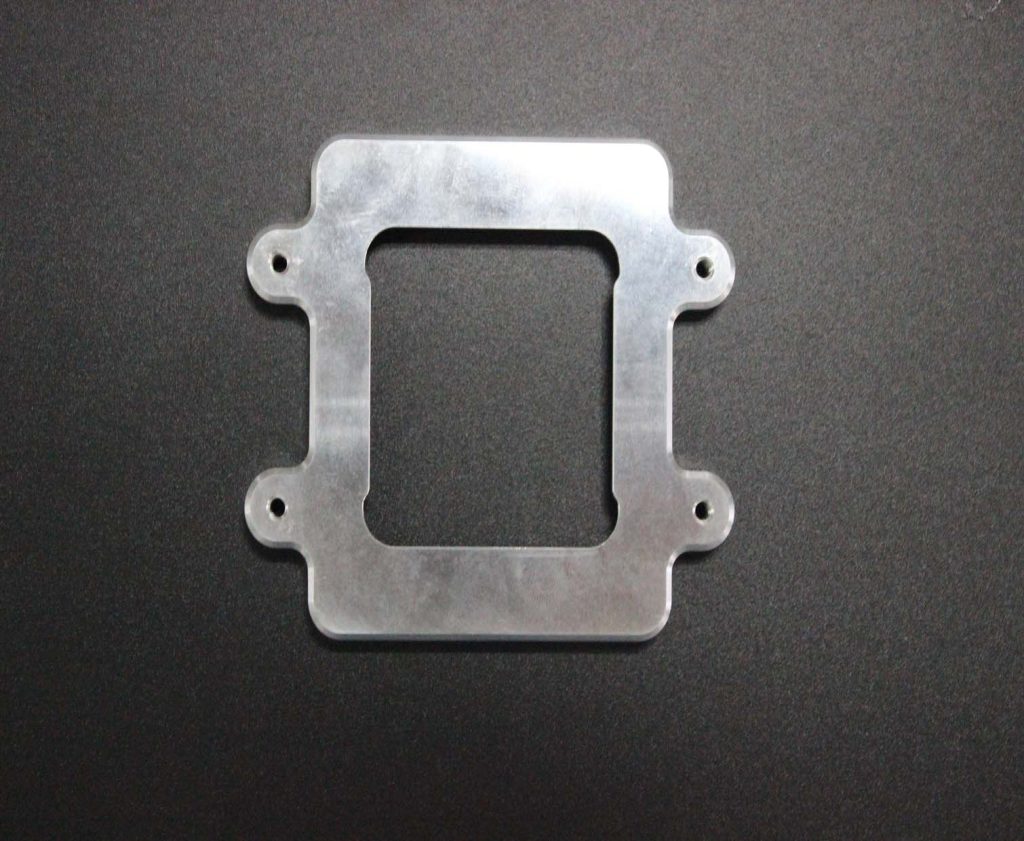
Apply CNC machining only where absolutely necessary like threaded holes, precision mating faces, tight tolerance bores or features not provided by die geometry. This reduces both time and costs associated with subsequent machining operations.
3. The Bottom Line
Beginning with an extruded profile instead of a solid block gives the machine a part that’s already near final shape. Machining time drops, tool wear decreases, and per-part cost falls significantly. You get the dimensional flexibility of CNC with the material efficiency of extrusion.
Choosing the Right Manufacturing Method
The right choice depends on your part geometry, production volume, and tolerance requirements. Here’s how to think through it.
When to Use Extrusion for Your Metal Parts
- Consistent cross-sections: Your part is the same shape from one end to the other. Classic examples are heatsinks, frames, structural rails, enclosures, or sliding channels.
- Medium-to-high volume: Extrusion usually becomes more economical after production volume is high enough to offset die cost. Once the die cost is amortized, per-part extrusion cost drops significantly with scale.
- Material efficiency is a priority: When raw aluminum cost is a meaningful budget factor, near-net-shape production makes a real difference.
- Profile-based surface features: Fins, grooves, hollow sections, and similar geometry are natural fits for the extrusion die.
When to Use CNC Machining
- Fully 3D geometry: Extrusion is usually not a good choice for creating parts without a constant cross-section, such as a housing with pockets on many faces or a bracket with compound curves.
- Non-uniform cross-sections: Any component with a shape that varies significantly along its axis needs a subtractive or casting method.
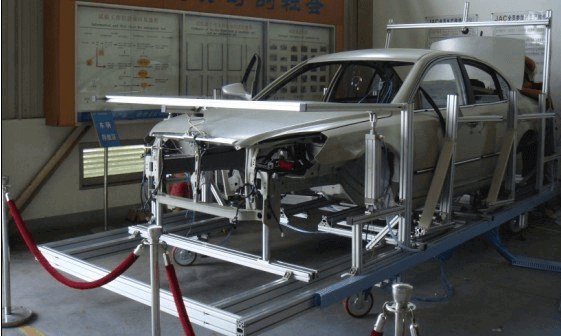
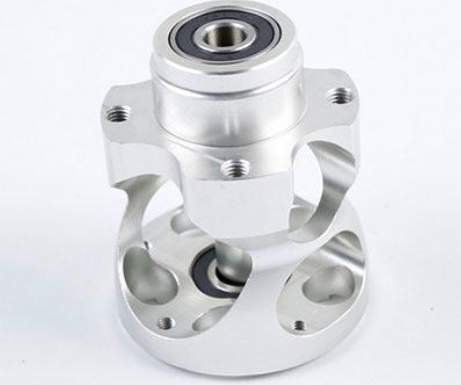
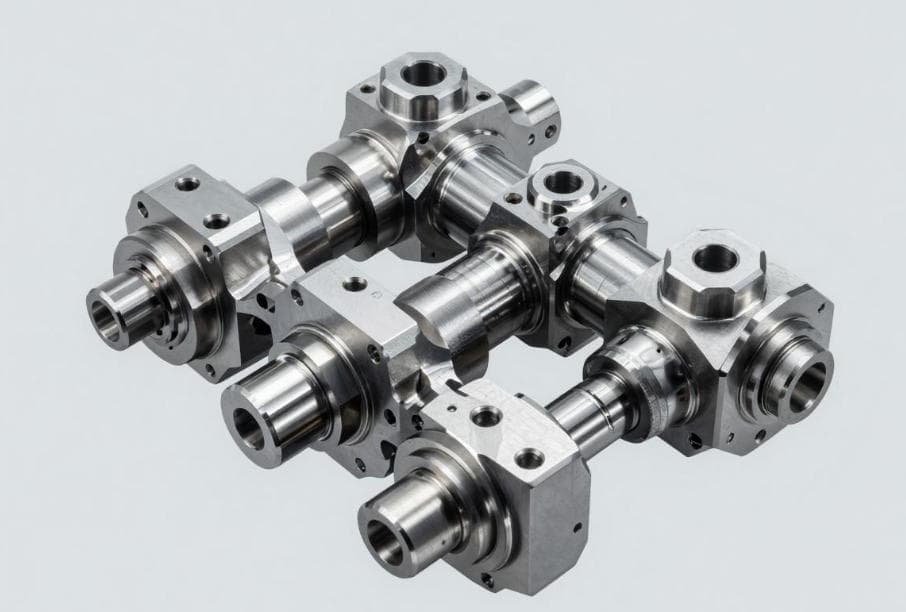
- Highly complex internal features: Multi-axis CNC machining is much better suited to deep pockets, undercuts, slanted bores and intricate internal channels.
- Tight Tolerance Requirements: CNC machining is usually more reliable when you have very tight dimensions or positional tolerances over several features on a component. Extrusion itself usually cannot get as fine positional and dimensional tolerances as precision CNC machining due to thermal and process-related variation during extrusion.
- Low volume or prototypes: For low-volume prototypes, CNC machining is often the more flexible and cost-effective option because there is no investment in an extrusion die.
If you’re still weighing the options, the table below maps the most common design parameters side by side.
Comparison Table
| Part Parameter | Better Suited for Extrusion | Better Suited for CNC Machining from Solid |
| Cross-section | Uniform / consistent along length | Varies or fully 3D |
| Volume | Medium to high | Low to medium |
| Wall Thickness | Thin, uniform walls | Variable wall thickness |
| Tight Precision Tolerance | Achievable with secondary machining | Directly achievable |
Ready to Optimize Manufacturing Strategy for Your Part?
Whether your part calls for extrusion, CNC machining, or a hybrid of both, getting the process right at the start is the single most effective way to control cost and lead time. The best process depends on your part geometry, tolerance requirements, and production volume.
If you’re evaluating a new part design or unsure whether extrusion or CNC machining is the better fit, contact JTR for a free manufacturability review and quote.