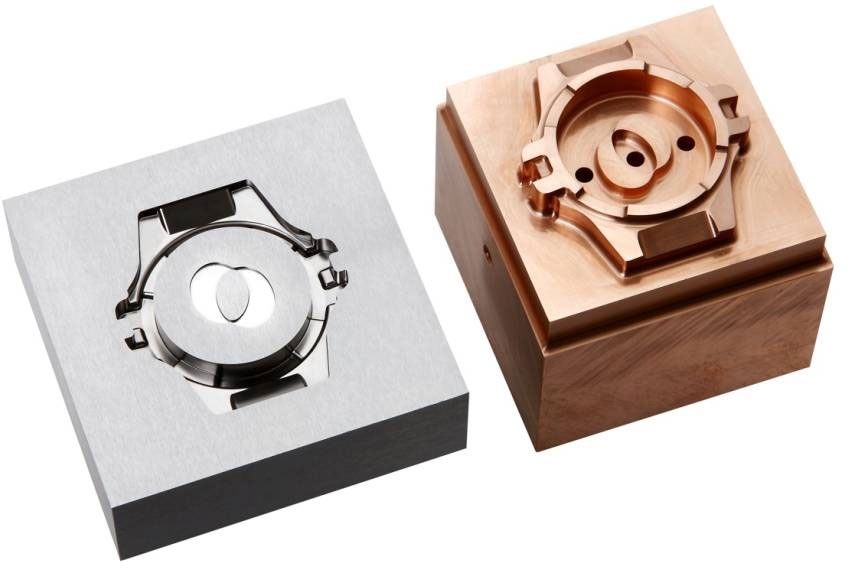


If one product needs 12 different parts to work, then you have 12 sets of tolerances, 12 inventory line items and a lot of labor to put it all together. This is more than simply a design inconvenience for engineering and procurement teams. It’s a cost issue that escalates at every step of production.
The pragmatic solution is part consolidation by precision casting. Reshaping multi-piece assemblies into a single integrated casting component can enable manufacturers to trim labor, eliminate material waste and streamline supply chains without compromising the performance or complexity the application requires.
This guide explains why typical assemblies are not enough, how precision casting can provide effective consolidation, and where the true savings are.
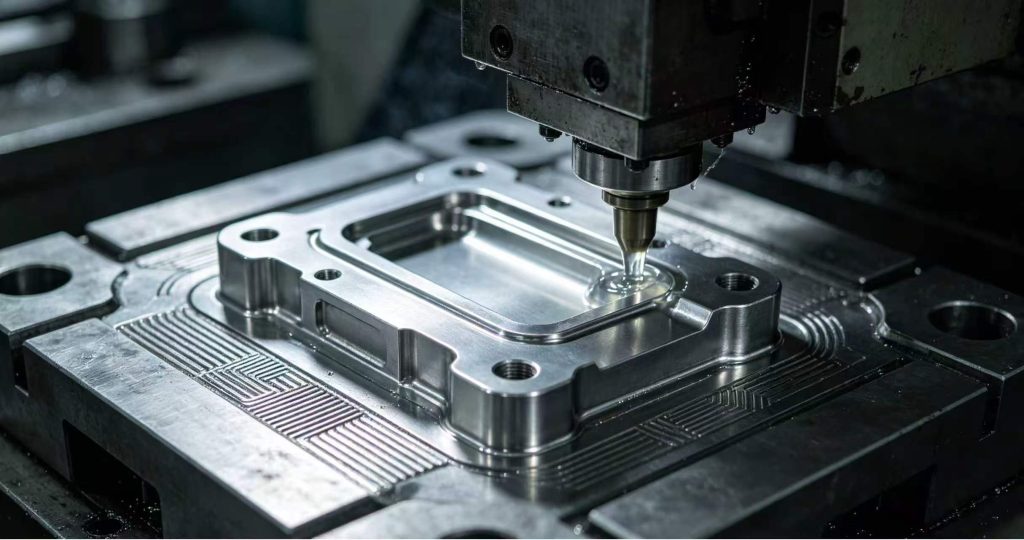
Why Traditional Multi-Part Assemblies Fall Short?
Most traditional designs were not constructed for consolidation. They grew from a series of small decisions: bolting pieces together, welding sub-assemblies, hand-aligning components. Each step seems achievable in isolation but the price accumulates.
- Labor demanding processes: Welding, bolting and aligning occupy crucial manufacturing time. Each additional joint immediately adds to the cycle time on the floor and demands expert operator time.
- Stacking of tolerances: When many machined parts are put together, the chances of misalignment rise. Each of these parts has its own dimensional variation, and when combined the little inaccuracies add up, frequently leading to expensive rework or functional problems later on.
- Inventory bloat: Handling SKUs for dozens of minor fasteners and sub-components ties up capital and increases supply chain complexity. A single out-of-stock item can halt a whole production run.
- Weak spots: All joints, welds or screws are possible points of failure. No matter how skillfully the individual parts are manufactured, Mechanical joints often represent potential failure points and require ongoing quality control throughout production and service life.
For teams running medium to high production quantities, these inefficiencies do not simply add up—they compound as production volumes increase.
Embracing Part Consolidation in Precision Casting
One of the most important changes in current manufacturing strategy is the ability to integrate numerous functional elements in one cast part. In many cases, modern precision casting skills may realize ideas in a single near-finished part that earlier would have demanded complex assemblies.
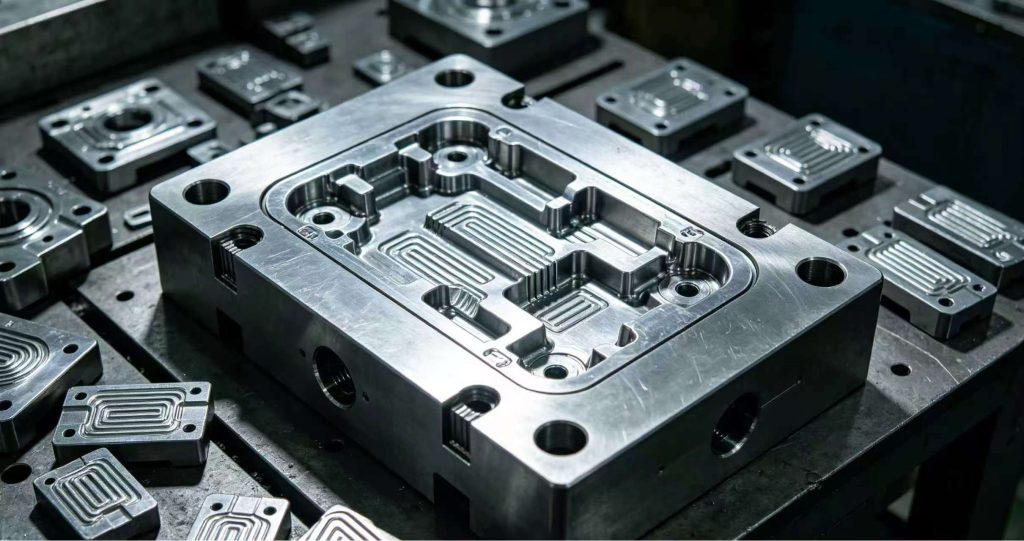
Why Precision Casting Makes Part Consolidation Possible?
Investment casting, also known as lost-wax casting, has been practiced for thousands of years, but modern techniques have elevated its precision and design flexibility to a level where genuine part consolidation is routinely achievable. This is what makes it work:
- Geometric flexibility for complex designs: Precision casting can duplicate characteristics that are difficult or impossible to process from solid stock, such as interior channels, undercuts, compound curves, and thin walls. Features that previously needed distinct sections can now be embodied in a single pour.
- Improved structural integrity: Integrated casting parts, no joints and no welding. Eliminating welds and joints can improve structural continuity and reduce stress concentrations in critical areas.
- Near net shape manufacturing: Near net shape casting produces parts that are very near to the final geometry, reducing the requirement for post-processing. Removing less material implies reduced raw material costs, less machine time and higher throughput.
- Greater design efficiency: Less components means a simpler Bill of Materials, faster engineering iterations and less cooperation among suppliers. The design process itself becomes more concentrated.
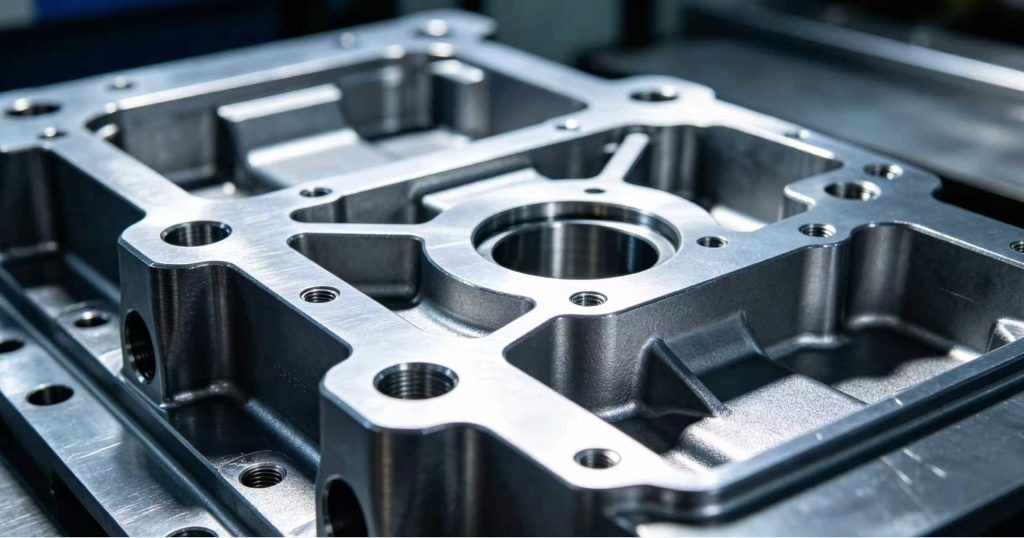
These benefits are not a theory. For example, a hydraulic manifold used in industrial equipment can historically require many machined components, fittings, and assembly processes to generate the required flow channels. Often these qualities can be combined into one component through precise casting, decreasing machining requirements, eliminating assembly activities, and simplifying supply chain management.
This extent of consolidation is achievable because precision casting is capable of producing complex internal channels and external geometries in a single near-net-shape part. Features that formerly needed several parts can be integrated into the casting itself, simplifying manufacture and cutting total production costs.
Design Considerations for Successful Part Consolidation
Getting the best results from precision casting for complex parts starts in the design phase. A few key principles separate a clean, cost-effective casting from one that requires significant rework:
1. Maintain Uniform Wall Thicknesses
Prevents shrinkage defects during cooling. Hot spots are caused by sudden thickness fluctuations and cause internal porosity or surface warping.
2. Smooth Transitions and Fillets
Use generous fillets and radii instead of sharp 90-degree corners to ensure smooth metal flow. Sharp corners limit flow during filling and are stress concentrators in the completed product.
3. Strategic use of cores
For complicated interior channels, use soluble or ceramic cores without the need for separate tubes or pieces. This approach is especially useful for hydraulic manifolds, cooling tunnels and lightweight structural parts where internal geometry would otherwise be impossible.
4. Design Holes with the End Process in Mind
Not all holes have to be fully created in the casting. Where holes demand tight tolerances or substantial depth, it is frequently more practicable to cast a near-net approximation and then finish by machining. If you plan ahead, the geometry of the casting is simple and you don’t have elements that will weaken the mold or add extra complexity.
Breaking Down the Savings: Consolidated Parts vs. Traditional Assemblies
The financial argument for portion consolidation is best demonstrated by comparing the savings across the different areas of expense. These benefits do not exist in isolation; they compound across material, labor, and operations.
Comparison Table
| Cost Factor | Traditional Multi-Part Assembly | Consolidated Precision Casting | Impact on Bottom Line |
| Material Waste | High (machining from solid blocks) | Very Low (near net shape) | Reduces raw material spend |
| Assembly Labor | High (welding, fastening) | Minimal or Eliminated | Direct labor cost savings |
| Inventory Mgmt | Complex (multiple SKUs) | Simple (1 SKU) | Lowers administrative overhead |
| Overall Manufacturing Costs | Compounds with each added part | Scales efficiently with volume | Highly cost-effective for medium/high runs |
Although precision casting often involves an initial tooling investment, the decrease in machining, assembly labor and inventory expenses normally leads to a lower total cost of ownership, especially in medium- to high-volume production.
Ready to Streamline Your Next Complex Component?
Part consolidation through precision casting is more than a cost-reduction strategy—it is a smarter approach to product engineering. It’s a more thoughtful approach to product engineering. When successfully accomplished this yields parts that are structurally more robust, operationally easier to use and cheaper to manufacture at scale.
At JTR, we work directly with engineering teams to find opportunities for consolidation, optimize casting designs, and supply integrated casting components that fulfill real-world performance requirements. If you are evaluating whether your current design is suitable for precision casting, contact us to discuss your project.