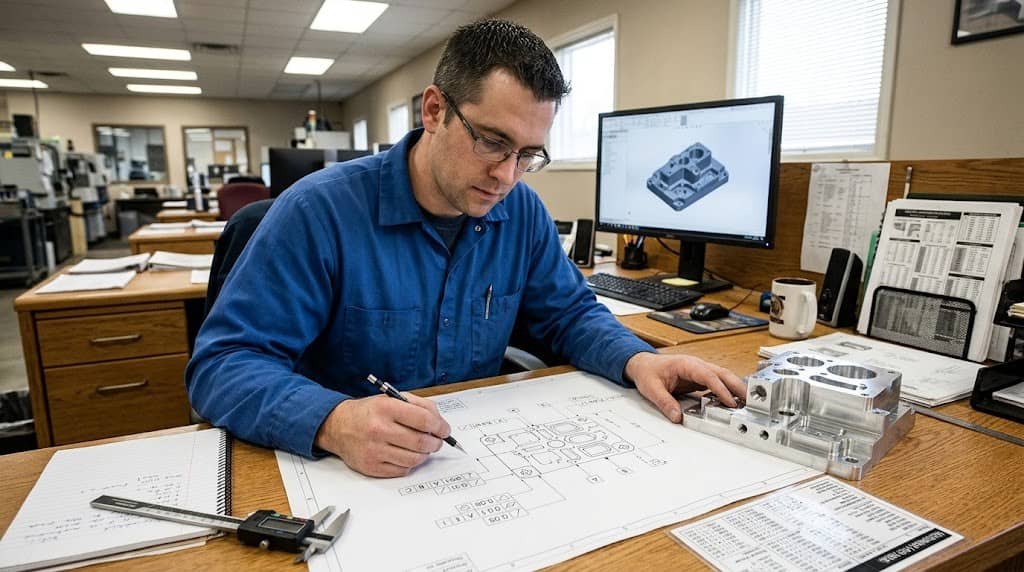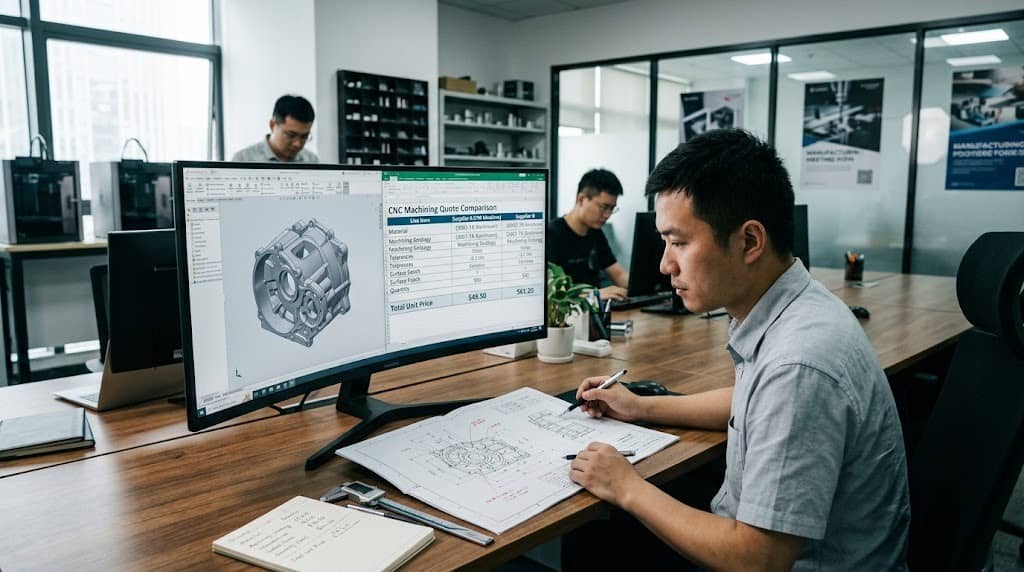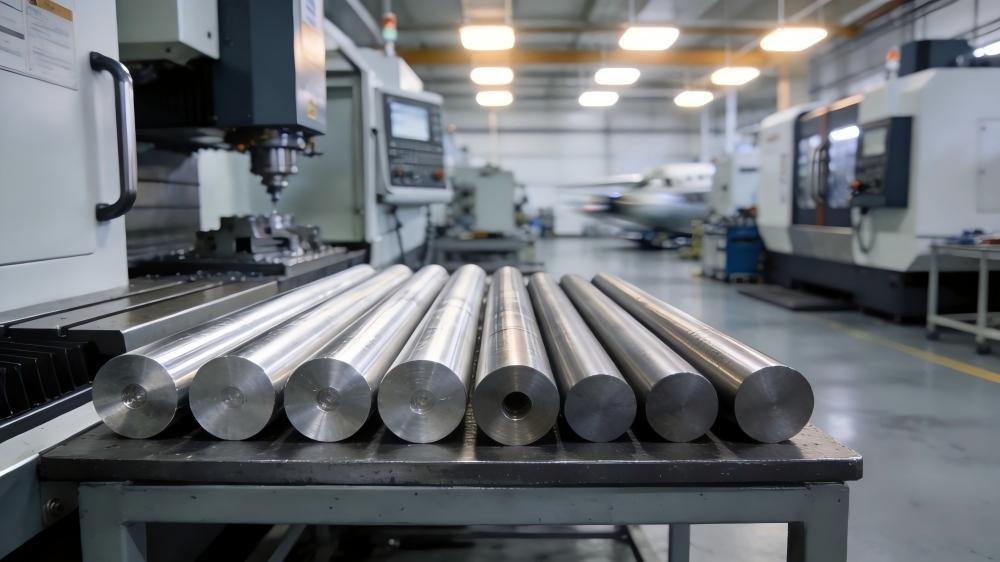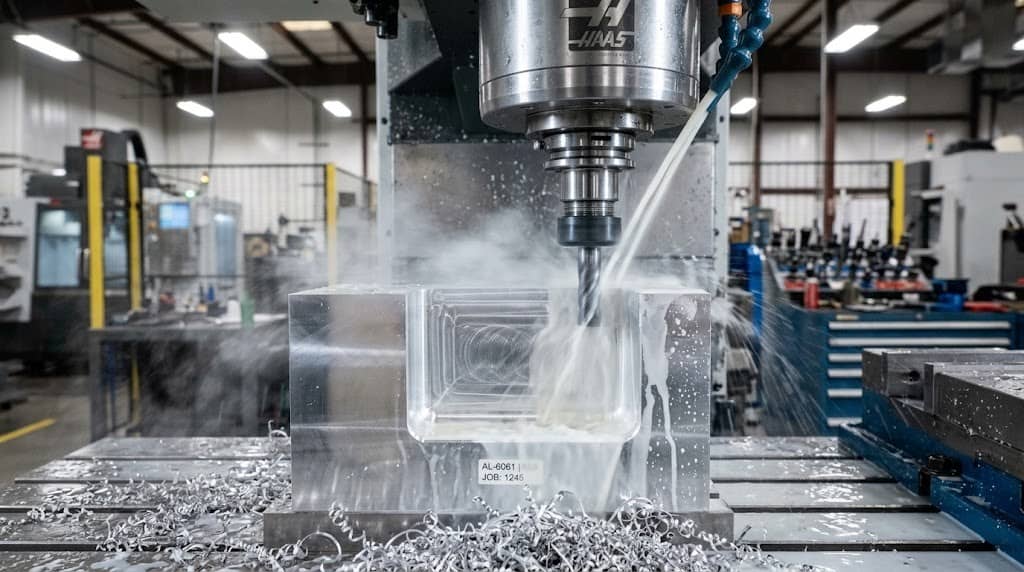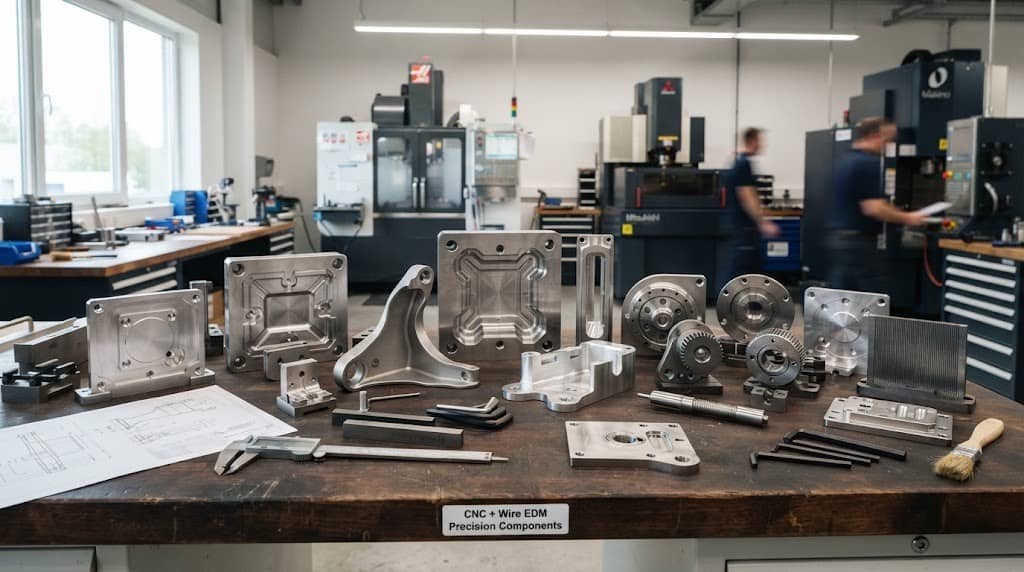


Aluminum extrusions are employed in a huge number of products: heat sinks, structural frames, enclosures and brackets, for example. But here’s something that often catches engineers and purchasers by surprise: converting an extrusion into a finished product is seldom as straightforward as feeding a blank into a CNC machine.
There are many steps before the first tool touches the material. Miss any of it and you’re looking at scrapped parts, rework and delays. This guide looks at the key decisions made before extrusion, what happens between extrusion and CNC machining, and what should be checked before the first machining operation begins.
Why Does an Aluminum Extrusion Need CNC Machining?
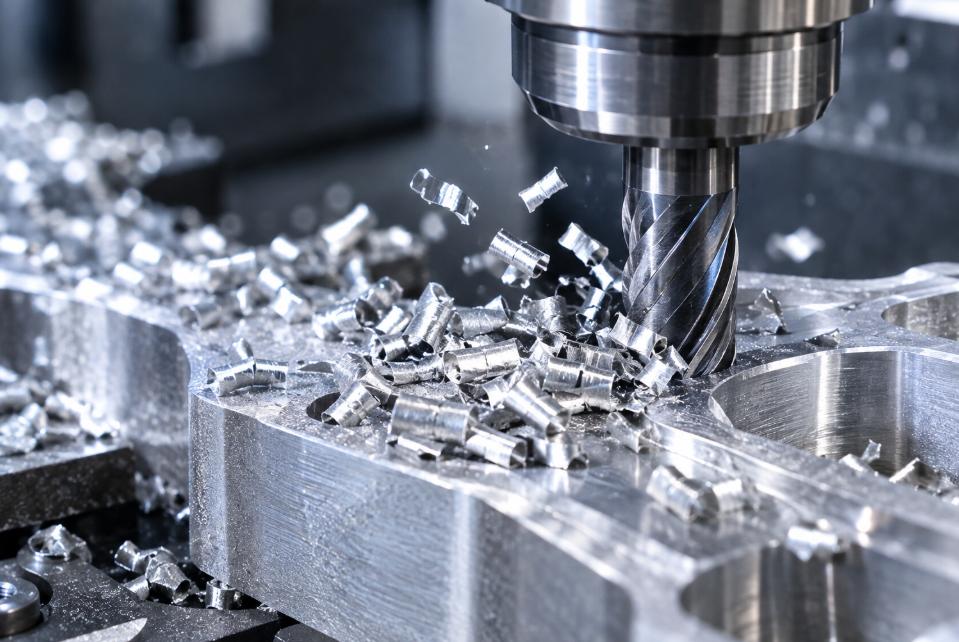
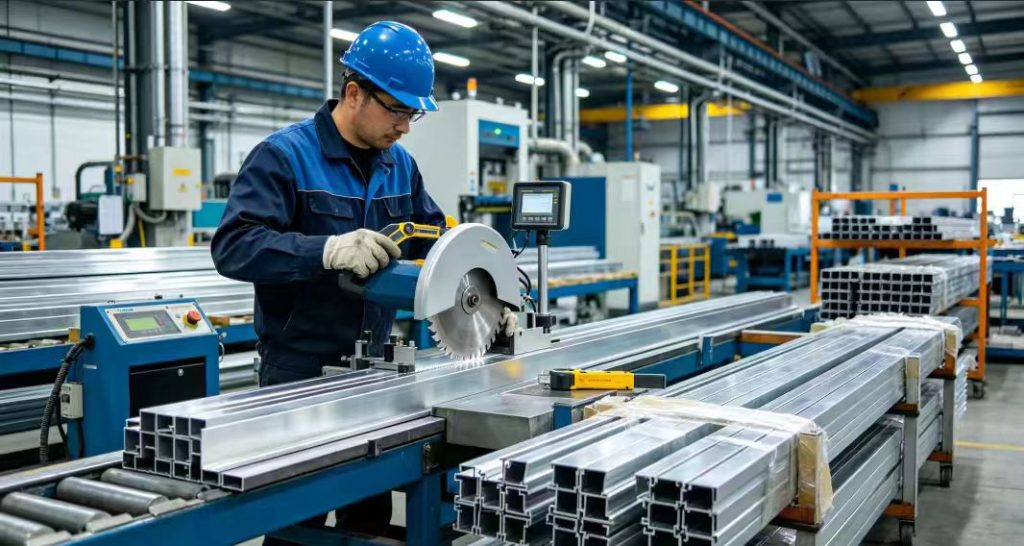
Aluminum extrusion is great for making lengthy uniform profiles in an effective manner. What extrusion does not handle as efficiently are many localized features, such as precision holes, threaded holes, pockets and end features that require tight tolerances or secondary machining. That’s where CNC machining comes in.
The extrusion gives you the shape. CNC machining gives you the finished component. Mounting holes have to be drilled, slots have to be milled to exact tolerances, ends have to be faced square, and threads need to be cut. For many applications, the extruded blank is only the starting point, with CNC machining adding the features and tolerances needed for final assembly.
What Needs to Be Decided Before Aluminum Extrusion?
Getting the CNC stage right actually starts earlier than most people expect. Decisions made at the design stage have a direct effect on how smoothly machining goes later.
- Aluminum alloy selection: Typical aluminum extrusion alloys are 6061 and 6063. 6061 is generally preferred because of its strength and machinability and 6063 because of its surface polish and extrusion performance. The alloy and temper should be selected early to ensure consistent extrusion and CNC machining.
- Extrusion profile design: The cross-section should be designed with CNC fixturing in mind. Where material can be removed and how the part can be firmly held is affected by wall thickness, corner radii, and internal voids. A profile that looks suitable on paper may still be difficult to fixture or machine efficiently.
- Machining allowance and stock: The blank needs enough material in the right places for the CNC operation to cut to final dimensions. If a wall starts too thin, there’s no margin to work with.
- Features better suited to CNC: Try to do it with die design and you won’t get the results you want. Tight-tolerance features, such as threaded holes, accurate slot widths and flat reference surfaces, are best left for the CNC stage.
What Happens Between Extrusion and CNC Machining?
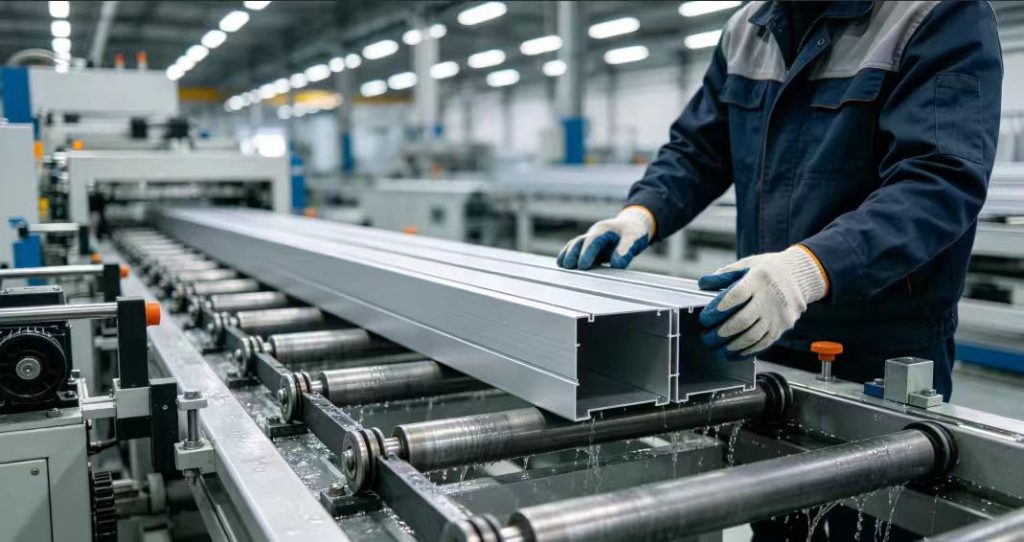
It’s easy to forget the steps in the aluminum extrusion process between the press and the CNC machine, but they all matter for what happens next.
1. Extrusion and Cooling
The profile is produced by pushing the billet through a die under high pressure. The extruded length leaves at high temperature and is cooled by air or quench, depending on the alloy and target temper. The rate of cooling has direct implications for dimensional stability and for the final mechanical properties.
2. Straightening and Cutting to Length
After cooling, most profiles have some bow or twist. A stretcher applies controlled tension to correct this distortion. The profile is then cut into individual blanks. Both steps matter because even minor residual bow can affect how consistently a part sits in a fixture.
3. Inspection Before Machining
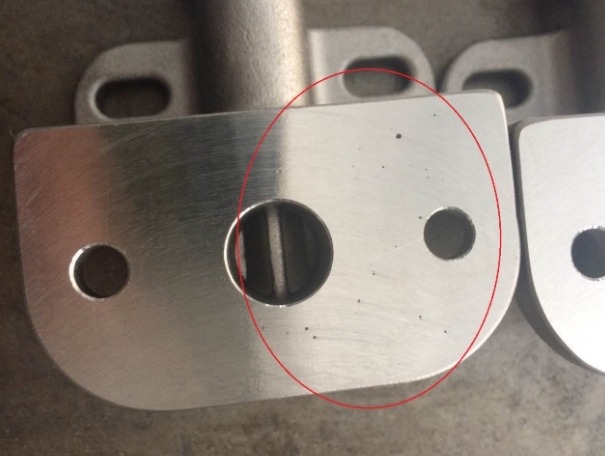
Before a blank enters CNC, a good shop will verify a few things. Profile dimensions are checked against the required drawing and extrusion specifications. Straightness is assessed, since a small bow can cause positioning problems. Surface condition is reviewed for extrusion defects like folds or tool marks that might fall in a critical area. Catching these issues early prevents wasted machining time.
4. Cleaning, Deburring and Surface Preparation
Cut ends may have burrs or sharp edges, while contact surfaces may carry oil or residue from handling and extrusion. Both need to be addressed before fixturing. In a well-run operation this takes only a few minutes per part, but skipping it can introduce positioning errors that affect the entire machining operation.
The table below gives a quick summary of each stage and why it matters for CNC:
| Stage | Main Purpose | Why It Matters for CNC |
| Extrusion | Create the basic profile | Establishes the starting geometry |
| Cooling | Stabilize the profile | Reduces dimensional instability |
| Straightening | Correct distortion | Helps maintain consistent positioning |
| Cutting | Create individual blanks | Makes parts suitable for machining |
| Inspection | Verify profile condition | Prevents unsuitable blanks entering CNC |
| Final Preparation | Prepare contact surfaces | Improves fixturing and machining consistency |
What to Check Before CNC Machining Starts
Even with a well-prepared blank, it’s worth running through a quick checklist before the program runs. Going through this on every job consistently prevents problems:
- Material: Is the specified aluminum alloy correct?
- Profile: Does the extrusion match the required cross-section?
- Length: Is enough stock available for machining and final cutting?
- Surface: Are there dents, distortion or other defects in critical areas?
- Datum: Can the profile be located consistently in the fixture?
- Machining features: Are holes, slots, threads and precision surfaces clearly defined in the drawing?
- Tolerance: Are critical dimensions distinguished from general dimensions?
Most problems caught at this stage are straightforward to resolve. The same problems caught after machining are expensive.
Why Extrusion and CNC Should Be Planned Together
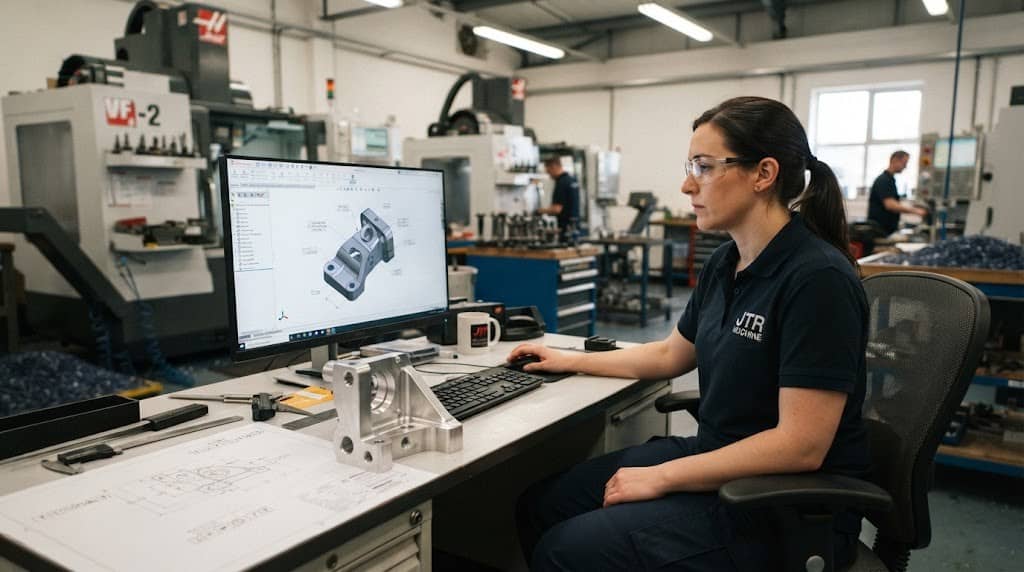
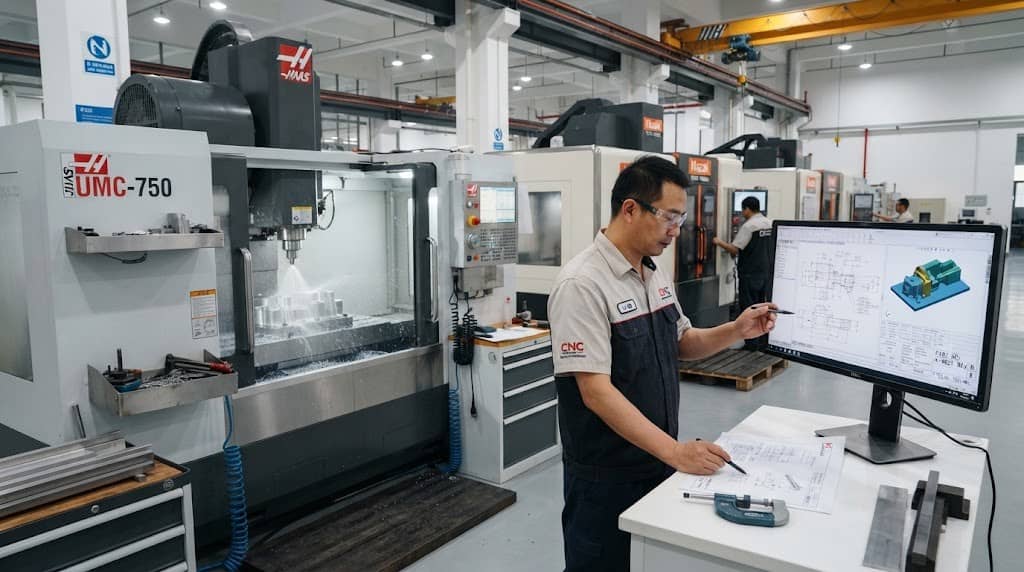
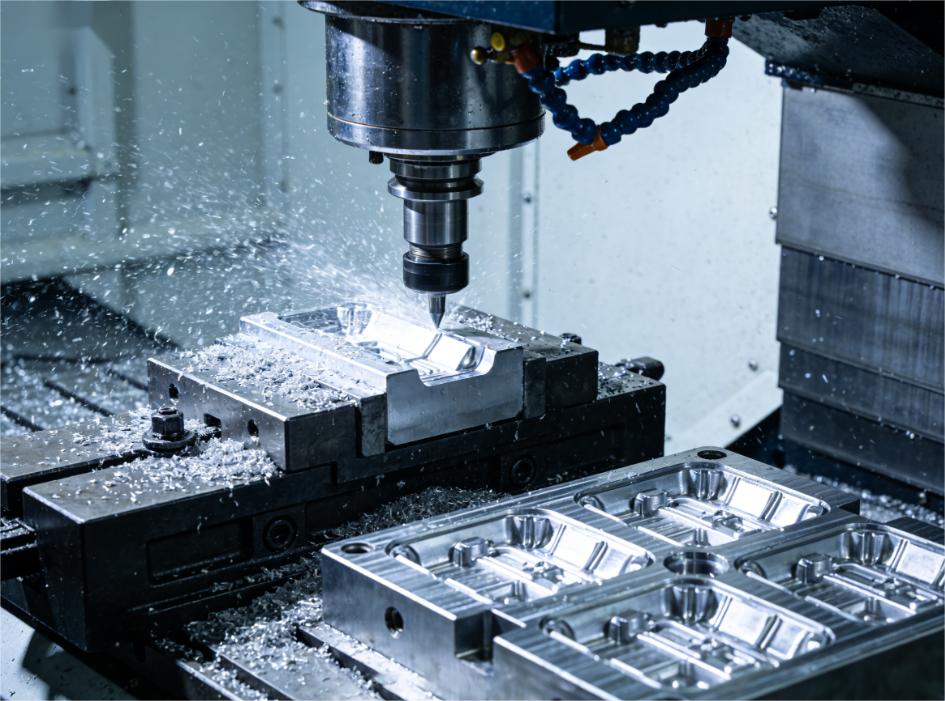
If you are working with a China CNC machining supplier, it is important to have the extrusion and machining requirements reviewed together before the die is made. This is especially useful when the project involves tight tolerances, multiple machining operations or custom extrusion profiles.
Considering both the profile design and the machining requirements usually leads to a cleaner die design, less setups on the CNC and less waste of material. It may seem apparent, but when projects are time-pressed this phase is often missed. If you are getting aluminum extrusion and CNC machining from different providers, it’s important to have both parties review the drawing before the die is made. A short design review can often prevent much more costly problems later.
Final Thoughts
A strong finished part starts well before the CNC program runs. Getting the alloy right, designing the extrusion profile with machining in mind, and properly preparing blanks all contribute to a smoother operation and better results. The aluminum extrusion process and the CNC machining process function best when they are seen as one continuous operation, not two independent activities.
At JTR, we handle both extrusion machining and precision CNC work, which means we can review your design with both stages in mind from the start. For buyers looking for a China CNC machining service that can support both stages, this approach can help reduce unnecessary setups, material waste and downstream rework. If you have a project coming up, contact us for a free quote and DFM review.