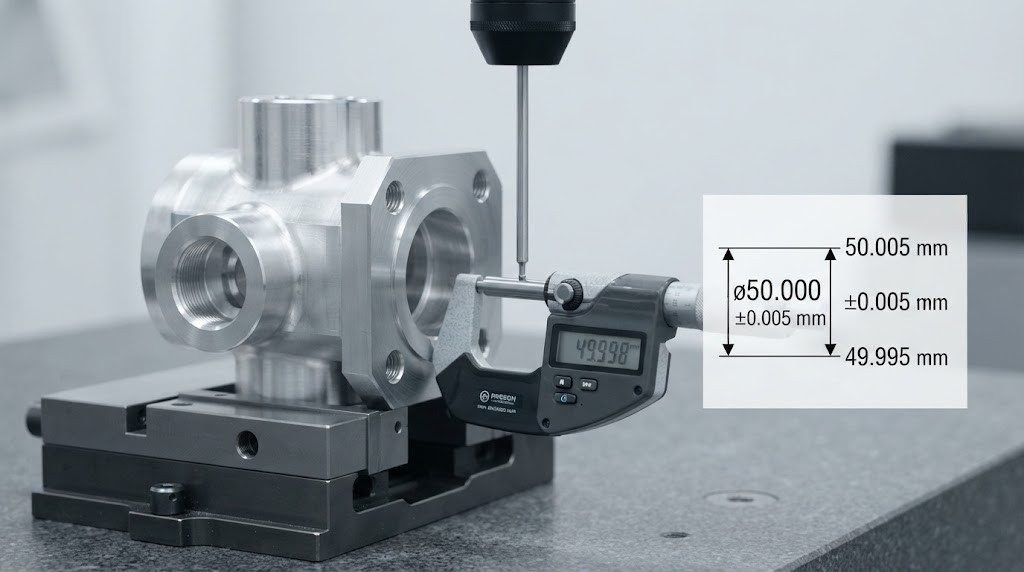


You pull parts off the line and find that not every one measures exactly the same, even when nothing obvious has changed. If you have been in the gravity casting field for some time, this is a common occurrence. Dimensional variation is rarely the result of a single source, which is why it is so difficult to define.
This article covers the main factors that influence gravity casting dimensional accuracy. Whether you’re building a new casting drawing or troubleshooting an existing one, here’s what’s worth paying attention to.
Part Design
The drawing shapes what’s possible before the mold is even built. Some design choices make it easier to hold dimensions consistently; others introduce variation that’s hard to compensate for later.
Wall thickness uniformity is one of the first things to look at. Thick and thin sections side by side cool and solidify at different rates, which can create thermal stresses and contribute to distortion as the part solidifies. The more uniform the wall thickness across the portion, the more predictable the shrinkage. Ribs are generally kept thinner than the walls they support to avoid creating local thick sections that cool and solidify differently from the surrounding material.
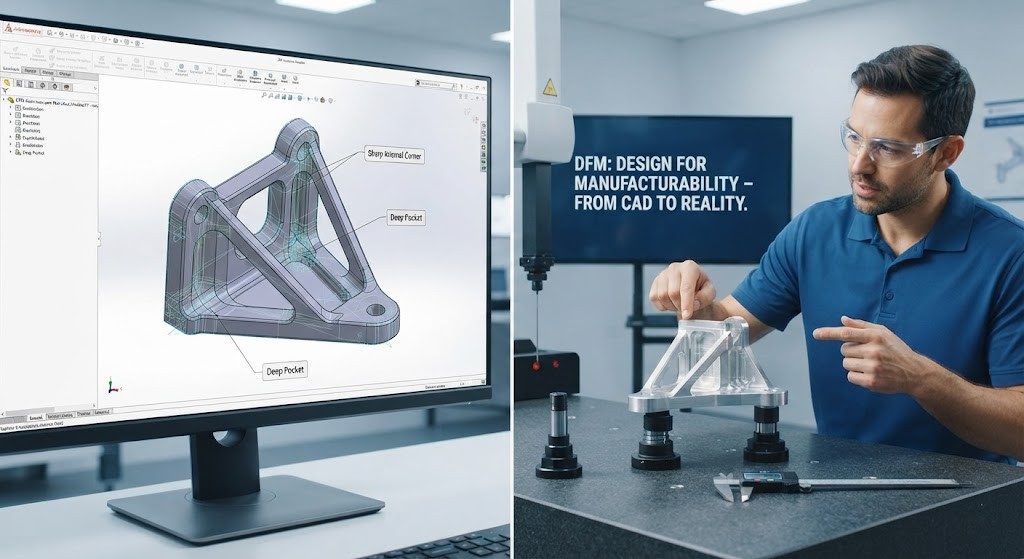
Feature geometry matters too. Deep pockets, sharp internal corners, and long unsupported spans all make consistent filling and cooling harder. Draft angles on vertical walls are necessary for mold release, but they also affect final dimensions if they aren’t accounted for in the drawing from the start.
Mold Factors Behind Dimensional Variation
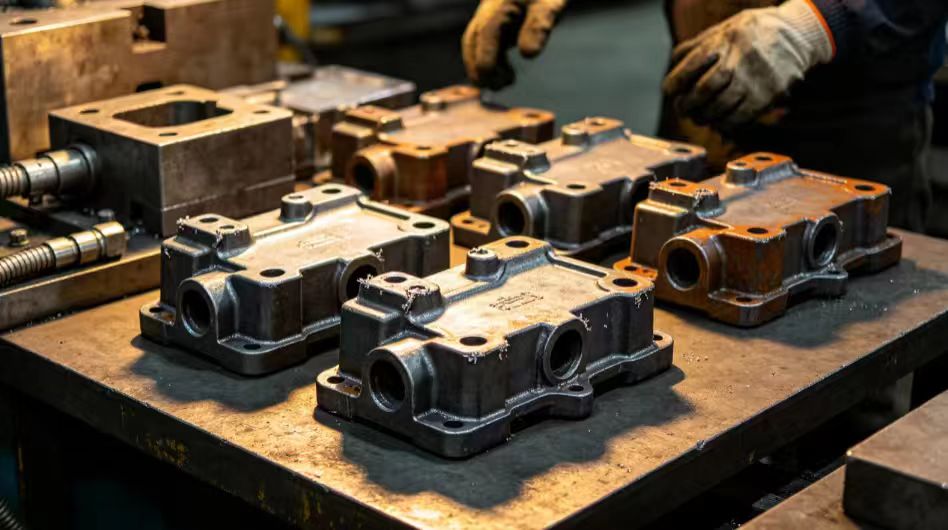
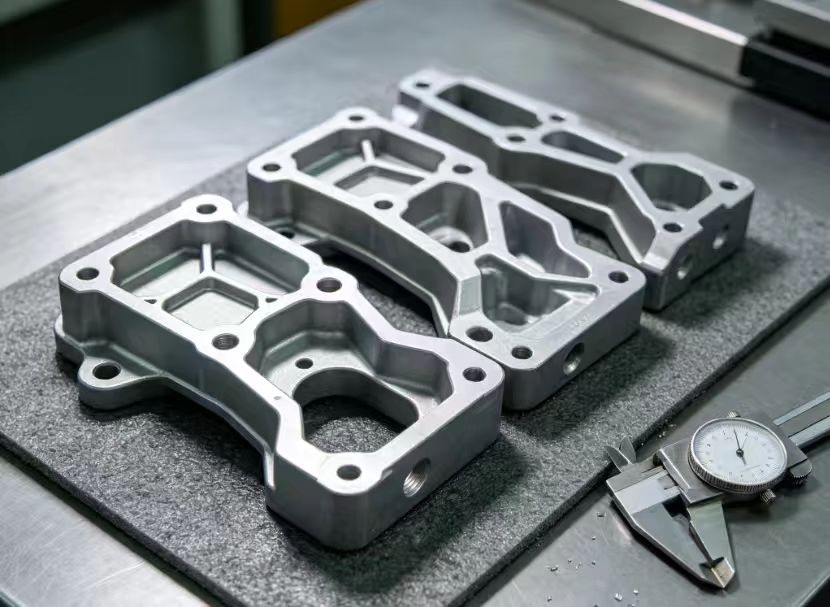
The mold has more influence on dimensional accuracy in casting than most people initially expect. A well-built, well-maintained mold with good temperature control produces consistent parts run after run. One that’s worn or running at uncontrolled temperatures will show variation almost immediately.
The table below summarizes the main mold-related factors and how they tend to affect part dimensions:
| Factor | Possible Effect on Dimensions |
| Mold machining accuracy | Sets the initial dimensional baseline |
| Mold wear | Can gradually change critical dimensions |
| Parting line alignment | May affect matching and overall dimensions |
| Core position | Influences holes, cavities and wall thickness |
| Mold temperature | Changes thermal expansion and shrinkage behavior |
Mold temperature deserves particular attention. Steel expands with heat, therefore the cavity dimensions will vary somewhat from a cold start to a stabilized running temperature.
Dimensional precision in gravity casting is consistent, in part because dies are preheated before start-up and the mould temperature is maintained during the production run. Operation outside a defined temperature limit can result in variability difficult to ascribe to a specific cause.
Alloy Choice and Casting Shrinkage
The various aluminium alloys shrink at varying rates as they solidify. This becomes essential for bigger castings or where close aluminium casting tolerances are required.
Not all aluminium alloys solidify the same way. Alloy composition can effect shrinkage, feeding behaviour and dimensional stability and should be considered when considering component shape and casting process. The right alloy is not necessarily the one with the maximum silicon concentration but should be chosen according to the mechanical qualities required, castability and dimensional requirements.
The predicted shrinkage of the alloy selected must be taken into account from the very start of the mould cavity design. If the allowance is not suitable then the resulting dimensions could be out of the drawing requirements which could require tooling adjustment or further machining.
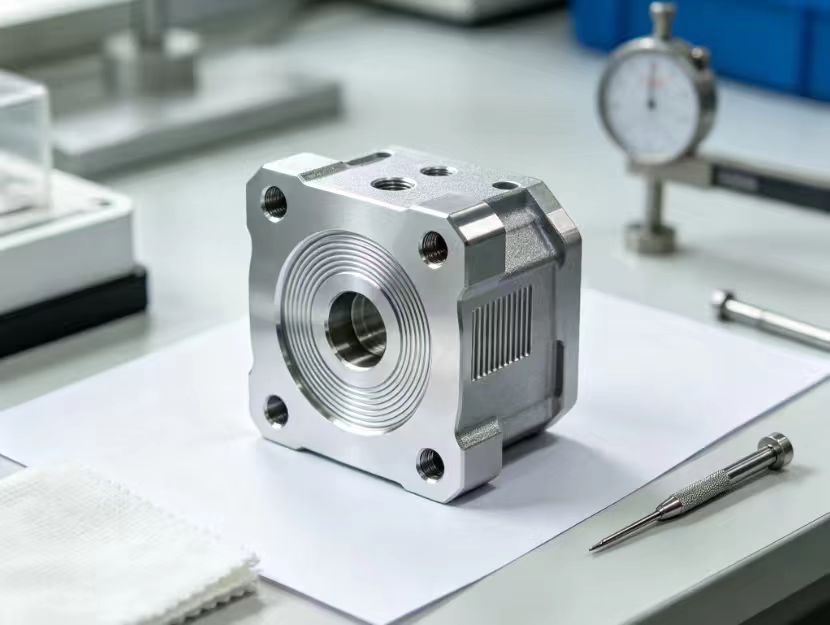
Pouring and Cooling Conditions
Pouring temperature and cooling rate both have a direct effect on part dimensions and internal quality. If the metal is poured at an unsuitable temperature, it can change the filling and solidification behavior, increase thermal effects on the mold, and raise the risk of defects such as gas porosity. If sections are too cold and thin they may not fill entirely which generates short shots or cold laps which affects both dimensions and strength.
Cooling rate is just as important. Sections that cool too fast can crack or deform. Sections that remain hot for longer can solidify later than surrounding areas, creating local hot spots and increasing the risk of shrinkage defects if feeding is insufficient.
Consistent mold temperature control is important for keeping the casting process stable from the first shot to the last. Depending on the mold design, controlled cooling channels may be used to manage heat in specific areas.
Different Features Need Different Tolerances
Not every dimension on a gravity cast part is held to the same level of precision, and that’s by design. In practice, dimensional accuracy varies depending on the type of feature:
- Overall part envelope: Affected by overall shrinkage, mold temperature and distortion, so tolerances should be set according to the casting size and process capability.
- Hole locations and diameters: Cast-in cores can shift with wear or thermal movement, so positional accuracy is generally looser than what machining can achieve.
- Mating and sealing surfaces: These typically need tighter control and are often machined after casting.
- Wall thickness: Affected by both cavity accuracy and core positioning, so tolerances here depend on how well both are controlled.
Setting realistic gravity casting tolerances from the beginning, based on feature type rather than a blanket number, avoids over-specifying some features while under-specifying others.
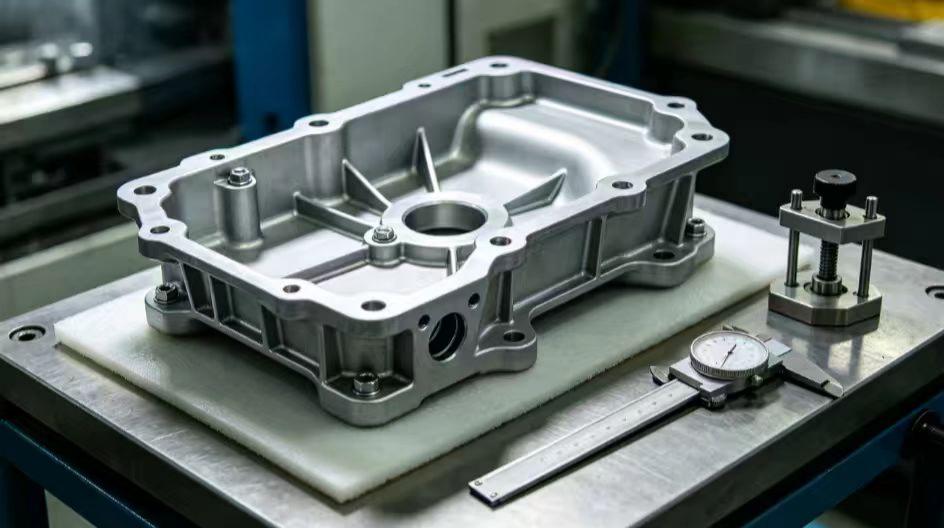
When Does CNC Machining Make Sense?
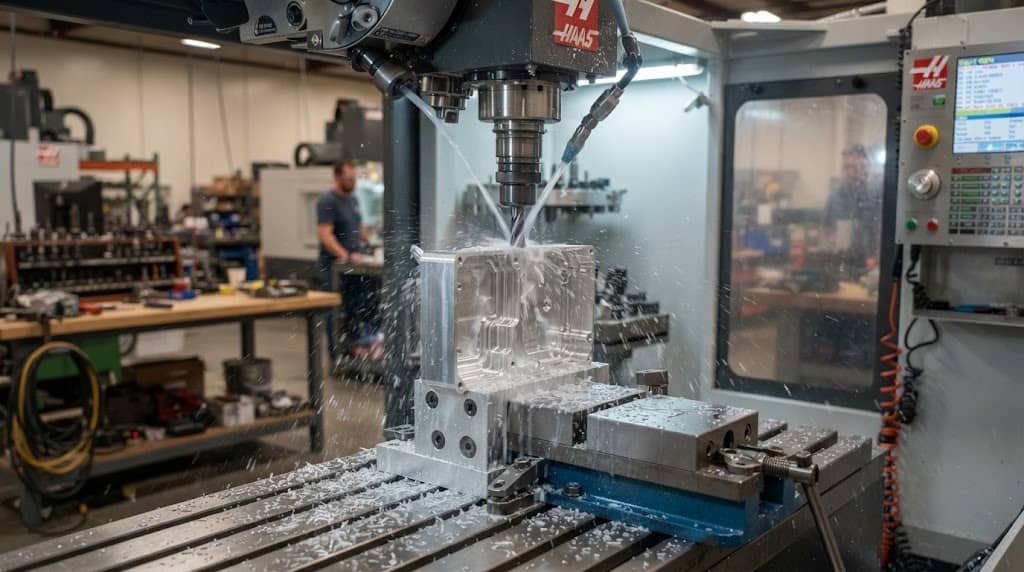
As-cast surfaces are adequate for most non-critical geometry. Where parts need to mate precisely with another component, locate a bearing, or create a seal, casting tolerances alone are usually not tight enough.
Post-casting CNC machining is the practical solution in those situations. It lets the bulk of the geometry be produced efficiently through casting, while machining is applied only where the tolerances actually matter. The key is identifying those critical surfaces early, so the casting can be designed with enough stock in the right places. Leaving that decision to the end often means adding machining to surfaces that weren’t designed for it.
Before You Finalize the Casting Drawing
A few things worth checking before the drawing is locked:
Catching these issues at the drawing stage is far less expensive than finding them after tooling has been cut.
Design for the Accuracy You Need
The dimensional accuracy of gravity castings is a function of the interaction of part design, mould quality, alloy and process conditions. If these factors are considered from the beginning, gravity casting can achieve consistent dimensions while limiting post-machining to the surfaces where tighter tolerances are actually required.
At JTR, we review casting designs alongside the machining steps that follow, treating them as a single workflow rather than separate decisions. If you’re working on a gravity cast aluminum part and want a second set of eyes on the tolerances and design choices, contact us and we’ll take a look.