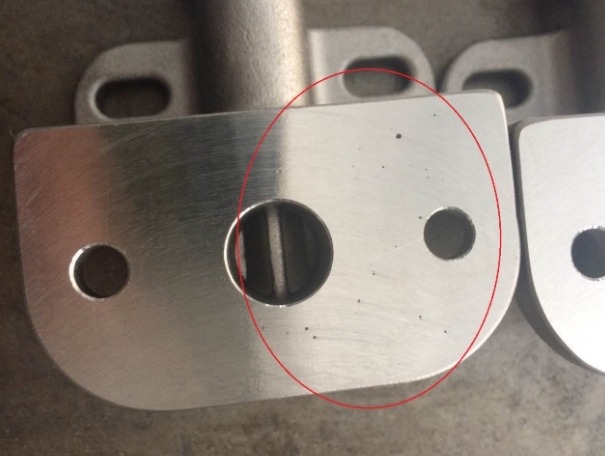


If you have ever had a gravity cast part stick in the mold or come out with scratch marks along the wall, chances are the problem can be blamed on one thing: draft angle. It’s something that’s easy to miss in the design stage but makes a huge difference to how cleanly and consistently parts release from the mold.
In this guide, we’ll discuss why draft angle is so important in gravity casting, how to pick a good value for different kinds of features, what can happen if you don’t use enough draft, and what you should look for when you make the mold.
Why Does Gravity Casting Need a Draft Angle?
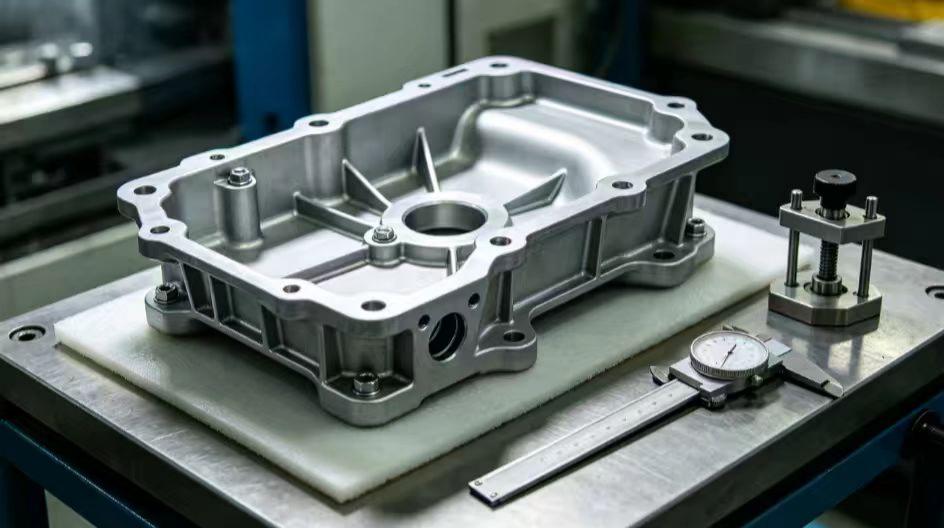
Gravity casting is pouring molten metal into a mold, then letting it cool and set. Then the mold opens and the part is removed, after the metal is set. But the problem is that metal contracts as it cools and without any taper on the walls a part can grab the mold surface instead of releasing cleanly.
Draft is a little outward taper on vertical walls and features to allow the item to be released when the mold opens. Even a small amount of taper can make part removal easier, although deeper or more complex features may require more draft. This is why good casting mold release depends not only on release agents and mold coatings, but also on the geometry of the part itself.
Choosing the Right Draft Angle for Gravity Casting
There isn’t one value that works for every part. For many gravity-cast features, a draft angle of around 1° to 3° can be a reasonable starting point, but the actual requirement depends on the part geometry, mold material, surface finish, and other design factors.
The following table is a useful way of thinking through frequent design issues:
| Design Situation | Suggested Approach | Why It Matters |
| Short, shallow wall | Smaller draft may be possible | Shorter contact surfaces generally make the part easier to remove from the mold. |
| Deep vertical wall | More draft is generally helpful | Greater contact area creates more drag during release |
| Rough or textured surface | Consider additional draft | Surface texture increases resistance against the mold wall |
| Surface requiring CNC machining | Draft can be planned with a machining allowance | Final geometry can be restored by machining after casting |
The important thing is to make these decisions at the design stage, not after release problems start showing up in production.
What If the Draft Angle Is Too Small?
Underestimating the draft angle is one of the more common issues in gravity casting projects. The consequences tend to show up in two ways.
- The part can drag against the mold: When the draft is insufficient, the part may require more force to remove from the mold rather than sliding free. This often leaves drag marks or surface damage, and the part may distort slightly during mold release if the metal is still warm.
- The mold can wear faster: Repeated difficult part removal can increase wear on mold surfaces, especially in higher-volume production. Over time, this may increase mold maintenance and reduce tool life.
Which Features Need More Attention?
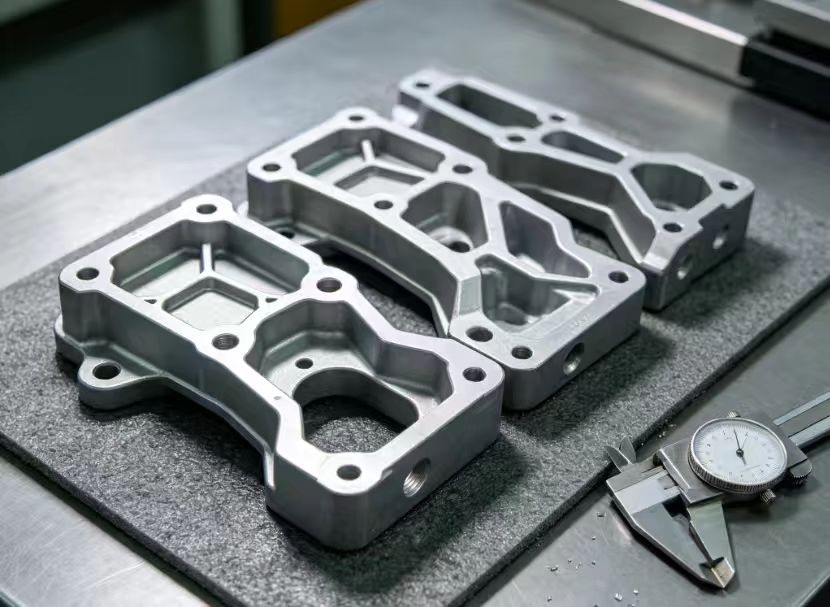
Not every feature carries the same risk. Some are more likely to cause problems than others.
- Deep walls and cavities: The deeper the wall, the longer the contact surface between part and mold. A draft angle that works on a shallow feature may not be enough on a deep one.
- Core and internal features: Internal cores and deep holes need to be checked separately because their draft direction is different from that of external walls. Deep internal features may require more draft depending on the core design and removal direction.
- Surfaces that will be machined later: If a surface will be CNC machined after casting, it can be designed with a more generous draft and brought to final dimension in the machining step. This gives the casting good release behavior while still achieving the tolerances the finished part needs.
A Quick Draft Angle Check Before Casting
Before the mold is built, it’s worth going through the part design with these questions in mind:
Check the Draft Before Making the Mold
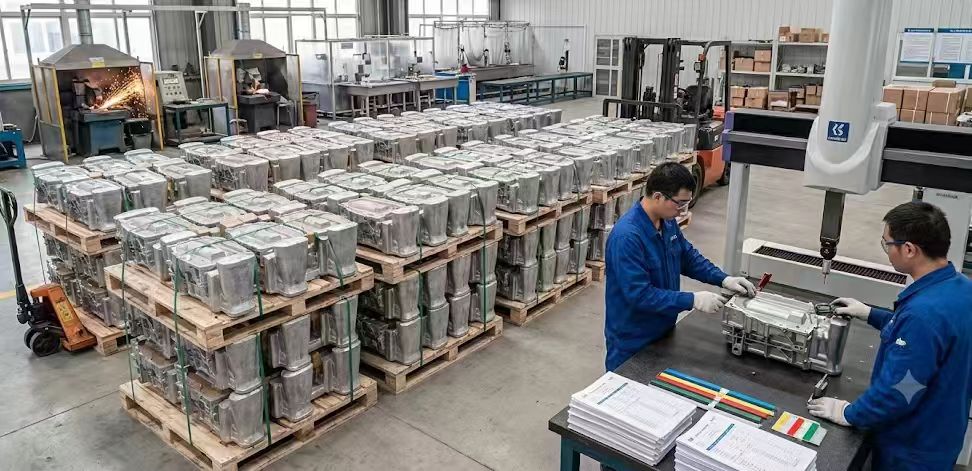
Getting the draft angle right in gravity casting doesn’t take a lot of effort at the design stage, but it pays off throughout the production run. A part that releases cleanly every cycle is easier to produce, puts less wear on the mold, and tends to come out with better surface quality.
At JTR, draft angles are one of the design factors we review when providing DFM feedback for gravity casting projects. If you’re working on a gravity casting part and want a second opinion on the design before committing to tooling, send us your drawings for a free DFM.