

Aluminum extrusions are a common choice for electronics housings, heat sinks, structural frames and many other parts. They are light, cheap by comparison and usually easy to deal with. But, if a design requires tight tolerances and thin walls, then the machining side of things is more challenging than it might initially appear.
Thin wall aluminum machining is one of those areas where even solid process planning can still produce surprises. The material cuts easily, but that same softness and flexibility can become more challenging as wall thickness decreases, particularly around 1.5 mm or below. This guide walks through the most common thin wall machining problems that occur during CNC machining of aluminum extrusions, and what you can actually do about them.
Why Thin-Wall Aluminum Extrusions Can Be Difficult to Machine
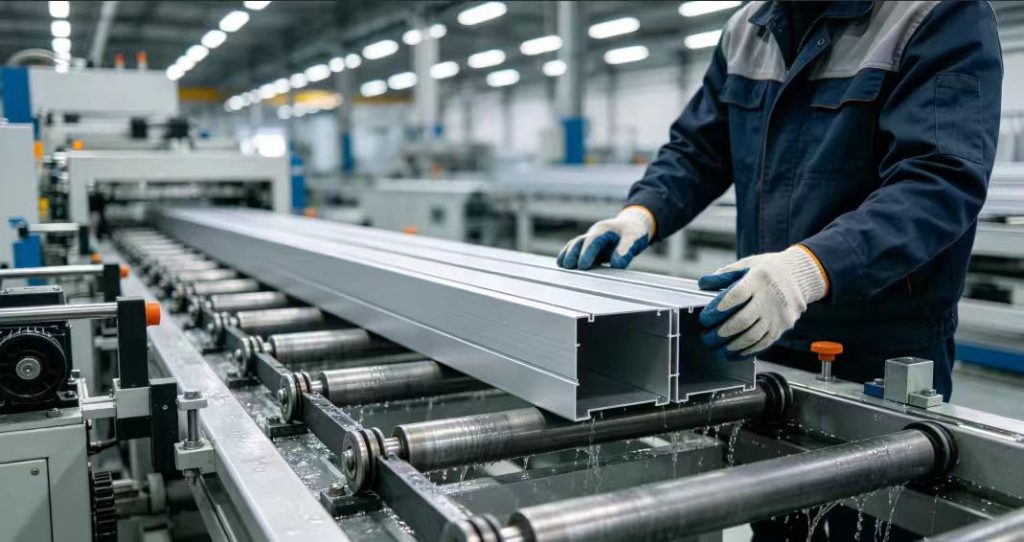
An aluminum extrusion is a profile with a constant cross section, commonly with thin walls, channels or flanges to reduce weight. Features like holes, slots, pockets and trimmed ends are added to that shape with the use of CNC machining later.
The difficulty is that thin aluminum sections have very little stiffness. A wall that’s 1–2mm thick will flex under even light cutting forces. Also, the process of extrusion might induce residual tensions in the material. Once machining starts and material is removed such tensions redistribute and the product can move or warp in ways not planned.
Common Problems When CNC Machining Thin-Wall Extrusions
Here are the most common problems with thin wall CNC machining of aluminum extrusions.
1. Wall Deflection During Cutting
When a thin wall is engaged by a cutting tool, the wall moves away from the tool instead of keeping its place. When the tool passes, the wall springs back, leaving the finished dimension outside the intended value. This is one of the most common thin wall machining problems, and it gets worse as walls get thinner. The fix usually involves reducing cutting forces, not just measuring more carefully after the fact.
2. Distortion After Unclamping
A part can look acceptable while it’s still on the machine and then change shape once the clamps come off. During aluminum extrusion machining, material removal from one area disrupts the balance of internal stresses in the profile. The part relaxes into a new shape after unclamping. Warping along the length of a profile, or a slight bow where there wasn’t one before, are typical signs of this problem.
3. Chatter, Vibration, and Surface Finish Issues
Thin walls have lower stiffness and are more susceptible to vibration during cutting. If the cutting conditions, tool setup, or workholding allow the wall to vibrate, chatter can develop and leave a visible rippled pattern on the surface. The outcome is a rippling surface pattern which looks bad and can also throw off proportions.
4. Keeping Tight Tolerances
Thin wall aluminum machining makes dimensional control harder for a few reasons:
- Deflection: The wall shifts under cutting load, so the resulting feature may not match the programmed dimensions.
- Heat: Thin sections can warm up enough during cutting to expand slightly, then contract once the tool moves on.
- Fixturing instability: Clamping a hollow extrusion profile firmly enough to prevent movement, without distorting it in the process, is genuinely difficult.
5. Burrs and Edge Damage on Thin Features
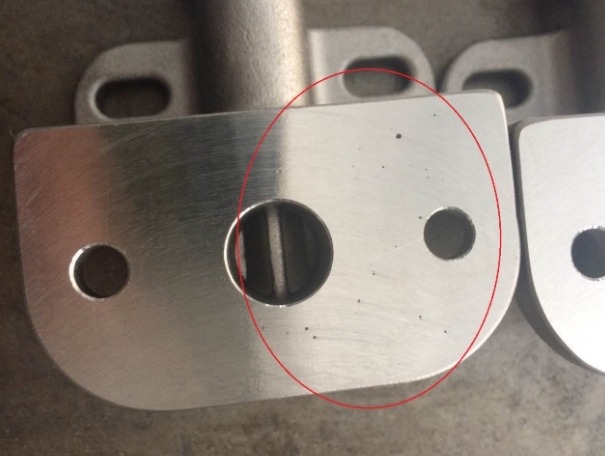
Thin walls have less material supporting the cutting zone. Edges around holes and slots tend to bend or rip, rather than shear cleanly, creating burrs that must be cleaned. That extra deburring procedure takes time and also adds the possibility of a damaged part if not done carefully.
The table below summarizes these issues at a glance:
| Problem | What You May See | Main Cause |
| Wall deflection | Wall moves or ends up out of position | Cutting force |
| Distortion after machining | Part changes shape after unclamping | Residual stress / material removal |
| Chatter and vibration | Wavy marks or poor surface finish | Low rigidity |
| Dimensional variation | Features do not hold tolerance consistently | Deflection, heat, or unstable fixturing |
| Burrs or edge damage | Rough edges around holes and slots | Tool geometry, cutting conditions, and thin material |
Ways to Reduce These Machining Problems
These issues are manageable with the right approach.
- Start With the Right Workholding: Standard vise jaws are not ideal for hollow profiles. Custom fixtures or soft jaws that support the internal geometry of the extrusion help prevent distortion under clamping force.
- Control the Order of Material Removal: Roughing cuts remove the most material and cause the most stress redistribution. Sequencing the cuts to keep material removal balanced across the part reduces how much it moves once unclamped.
- Choose a Toolpath That Supports the Wall: Lighter radial depths of cut, appropriate climb milling, and suitable finishing strategies can help reduce cutting forces applied to thin sections. Less force means less deflection and better surface quality.
- Check the Part After Unclamping: When the part is still clamped a reading may be misleading. Let it settle, and then measure, and you will get a more accurate picture of what you truly have.
Consider the Design Before Machining
Some thin wall machining problems originate in the design itself. No process adjustment can fully compensate for a design that requires very tight tolerances on a thin, flexible wall or places critical features in poorly supported areas.
Before submitting a part to production, it’s worth asking a few questions: Are there non-critical limits that can be relaxed without compromising function? Would a modest rib or support boss stabilize the wall without adding much weight? Does the position of a hole or slot leave enough surrounding material? Making small adjustments at the design stage is almost always easier and less expensive than managing scrap parts later.
What to Discuss With Your CNC Machining Supplier
A professional China CNC machining supplier will analyze your design and alert you to possible risks before any cutting has started. When you share your files, strive to hit a few essential areas:
- The wall thicknesses involved and the tolerances required
- Which dimensions are functionally critical and which have more flexibility
- The extrusion alloy and temper, and whether any stress-relief treatment has been applied
- The required surface finish and edge condition
Getting into these details upfront avoids misunderstandings mid-production and saves time for everyone involved.
What to Keep in Mind
Thin wall CNC machining of aluminum extrusions comes with real challenges: deflection, residual stress, chatter, and burr formation all need to be planned for, not merely reacted to. Good fixturing, thoughtful toolpath selection, and a design that takes machinability into account go a long way toward consistent, accurate results.
If you’re working on a thin-wall aluminum extrusion project and want a second opinion on the design before production begins, JTR is glad to help. Contact us for a free DFM review and quote.