

When a gravity cast item returns with partial fill, porosity difficulties or surfaces that are difficult to machine, the reaction is generally to blame the method. But often the true problem begins even earlier: with the choice of material.
Aluminum gravity die casting relies on molten metal flowing into a permanent mold under gravity alone, without injection pressure. Because gravity casting relies solely on gravity to fill the mold, alloy properties such as fluidity, solidification behavior, and shrinkage have an even greater influence on casting quality than in pressure-assisted casting processes. Choosing the improper aluminium alloy can result in difficulties that cannot be completely solved by process adjustments.
This guide covers how different aluminum casting alloys perform in gravity casting, what each alloying element actually does, and how to go about choosing aluminium alloys for your specific project.
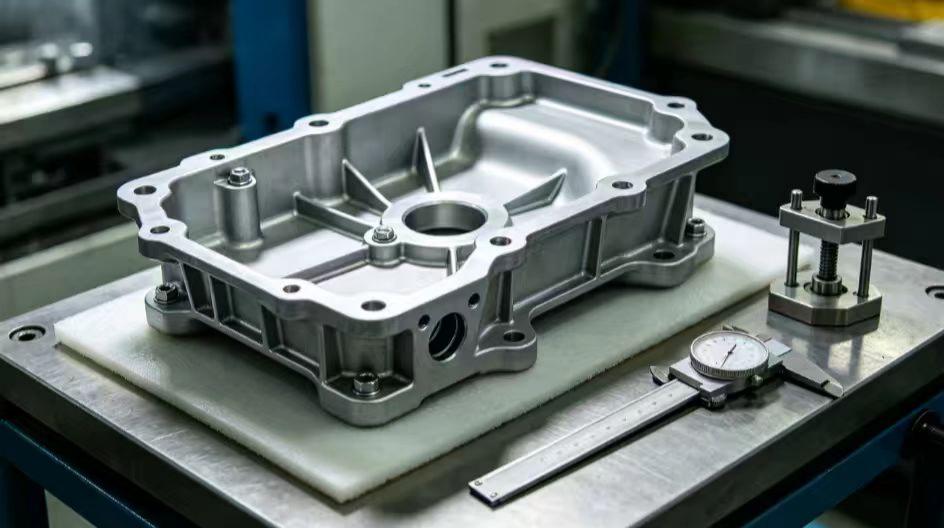
Why Aluminum Alloy Selection Matters in Gravity Casting
Most engineers consider tensile strength when selecting a material. That is an essential number. But in aluminium gravity casting that is far from the sole important number. The outcome of the process depends on the alloy you choose practically every time:
- Mold filling behavior: Some alloys flow smoothly into narrow sections and intricate geometries; others have difficulty and produce partial castings even with a well-designed mould.
- Porosity tendency: Alloys with large solidification range are more susceptible to shrinkage porosity if not controlled properly.
- Surface finish: The composition of the alloy has a direct effect on the smoothness of the as-cast surface and impacts the downstream finishing process.
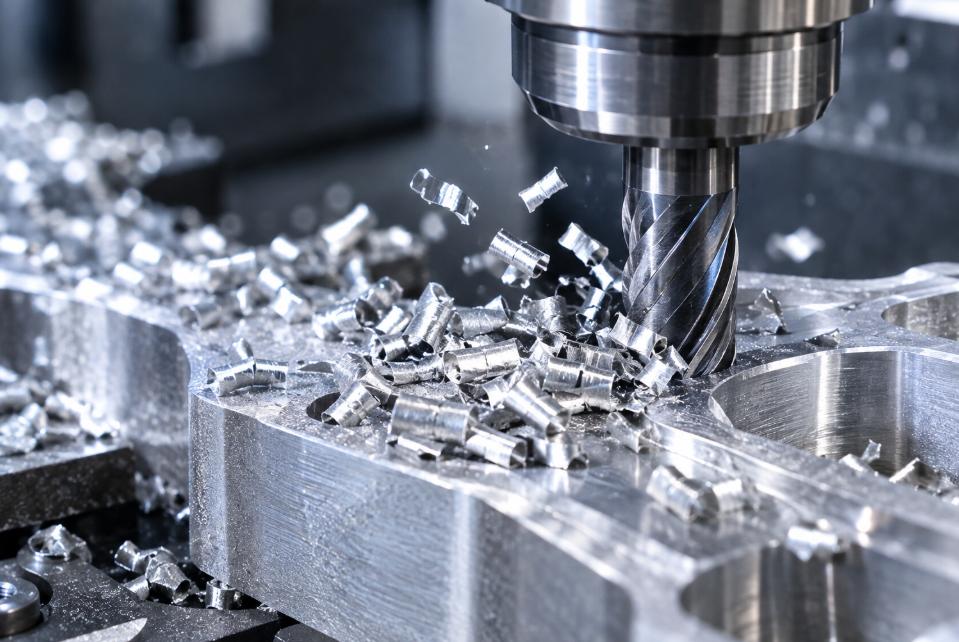
- Machining performance: Even a good looking casting may be difficult to CNC mill if the alloy has poor chip-breaking qualities or causes excessive tool wear.
- Heat treatment response: Not all aluminium casting alloys are heat treatable. If your part requires a T6 temper, your alloy choices are limited.
- Long-term durability: There are large differences between alloys in corrosion resistance, fatigue life and dimensional stability over time.
Getting the material right from the outset is one of the highest-leverage decisions of the entire process.
How Alloy Composition Changes Casting Performance
Aluminium alloys are usually classified according to the main alloying elements; each of them adjusts the balance of casting and mechanical properties in a different way.
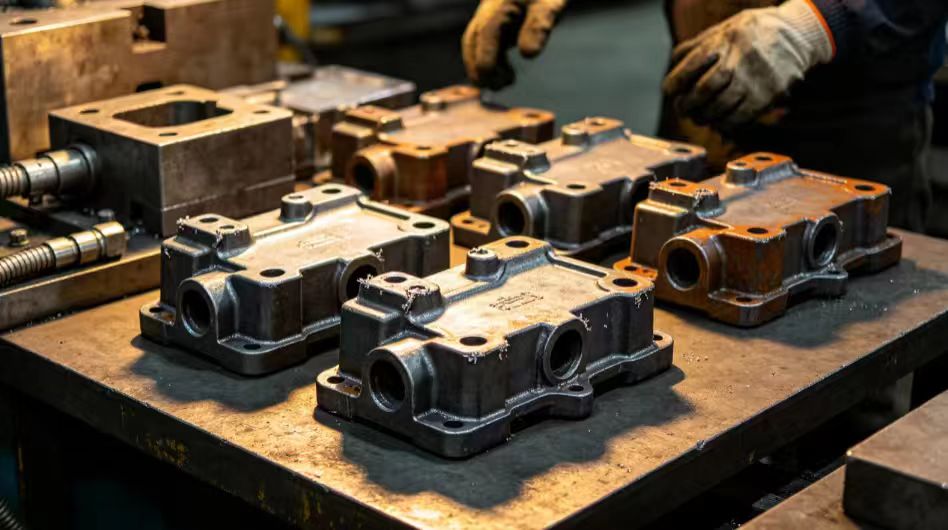
Silicon is the most critical ingredient for aluminium gravity casting. Higher silicon concentration (usually 5 to 12%) enhances fluidity, decreases shrinkage and lowers the melting point. For these reasons alloys in the Al-Si family are by far the most extensively utilized in gravity die casting.
Magnesium also helps in the formation of strengthening precipitates after heat treatment in alloys such as A356 and A357, together with silicon. Small increases of 0.3 to 0.7 % cause a significant change in final mechanical characteristics.
Copper improves strength and hardness but decreases corrosion resistance and can increase susceptibility to hot cracking. Alloys such as A319 contain copper to improve their performance at higher temperatures, such as in engine components.
Zinc is added to some compositions to improve strength, but it tends to diminish corrosion resistance, therefore the context of application is important.
Iron is more an impurity than an additive. The iron content can lead to the formation of hard intermetallic phases that negatively affect ductility and machinability. The control of the iron content is part of the control of the consistency of the alloy.
Grasping what makes these elements work helps to explain why switching from one alloy to another, that sounds comparable, can give very different results on the factory floor.
The following alloys are widely used in gravity casting. Note that alloy names may differ between regional standards. For example, LM25 is broadly comparable to A356, although exact specifications can vary.
Common Aluminum Casting Alloys at a Glance
| Alloy | Castability | Strength | Corrosion Resistance | Machinability | Typical Applications |
| A356 | Excellent | High | Excellent | Good | Automotive parts, housings |
| LM25 | Excellent | High | Excellent | Good | Marine components, pumps |
| A319 | Very Good | Medium-High | Moderate | Good | Engine components |
| A357 (AlSi7Mg) | Excellent | Very High | Excellent | Good | Aerospace, structural parts |
How to Choose an Aluminum Alloy for Your Casting Project
No one alloy is good for all applications. The right choice comes from looking at what the part actually needs to do.
Start with the working environment
The service environment is the first filter. Will the part be used inside or outside? Will it be subject to damp, chemicals or salt? Does it have to be durable at high temperatures?
For outdoor or marine use the corrosion resistance of A356 or LM25 is an obvious candidate. For higher temperature conditions, the copper content of the A319 becomes more relevant.
Consider mechanical and machining requirements
- Load bearing: Parts subjected to high mechanical loads might require a heat-treatable alloy such as A356-T6 or A357-T6 to reach the specified strength objectives.
- CNC machining: Alloys with uniform hardness and good chip breaking are beneficial for parts that require close tolerance machining after casting.
- Dimensional precision: Some alloys have higher shrinkage rates, which needs to be accounted for in mold design when tight tolerances are required after casting.
Balance performance with production cost
Higher strength alloys tend to be more expensive in raw material costs and may also need more stages in heat treatment. It is worth considering the complete lifespan cost and not only the price per kilogram.
A cheaper material that causes downstream difficulties may cost more overall than an alloy that machines smoothly and gives fewer rejections.
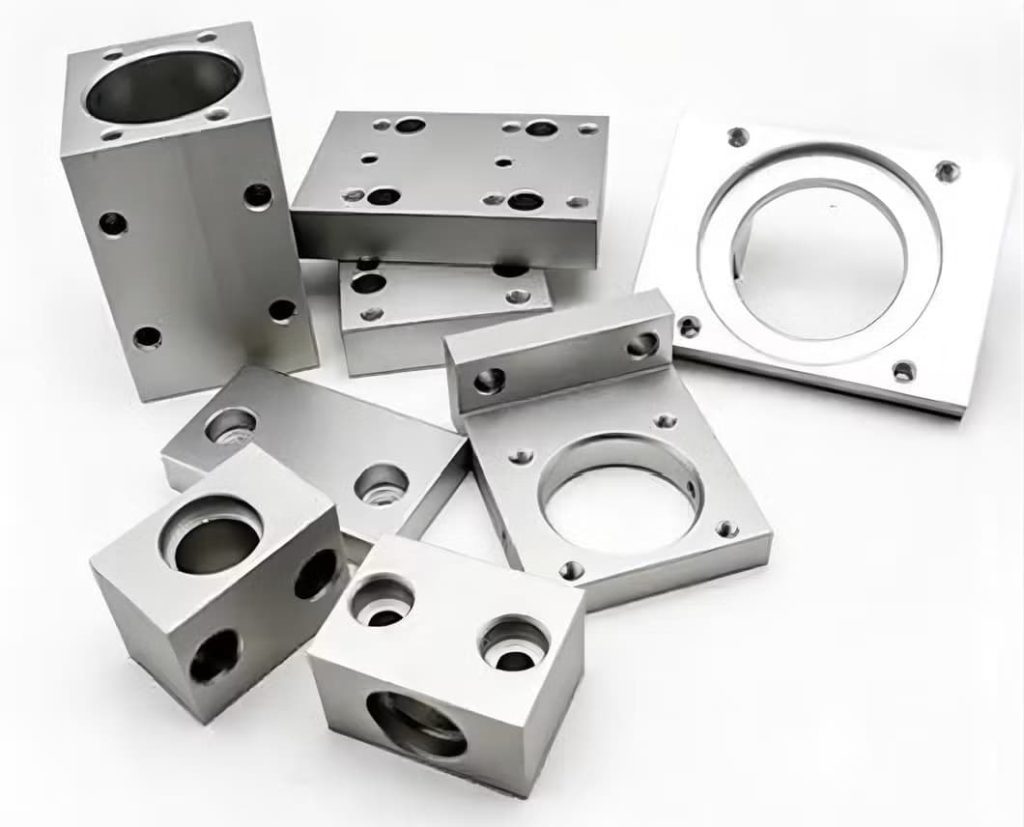
Common Casting Problems That Can Be Related to Alloy Choice
Material selection does not cause every casting defect, but the wrong alloy does raise the probability of certain problems appearing.
Poor filling or incomplete castings often come down to fluidity. If an alloy does not flow well enough, thin-walled sections may not fill completely regardless of mold temperature or pouring rate. This is frequently a mismatch between the alloy’s fluidity characteristics and the wall thickness design of the part.
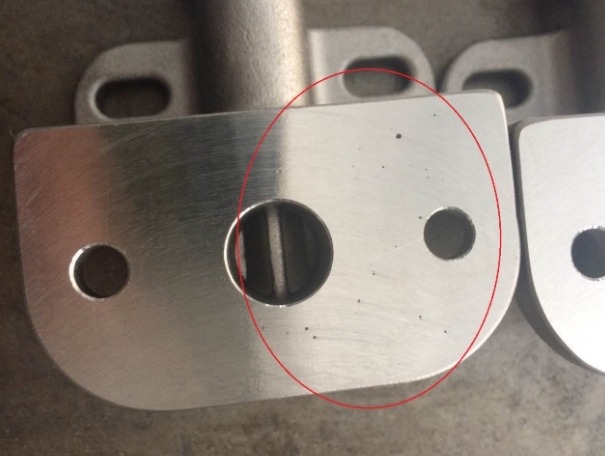
Excessive porosity is affected by several factors such as the solidification range of the alloy, the susceptibility of the alloy to absorb hydrogen and the way process parameters are controlled. Alloys of near eutectic composition tend to solidify more smoothly than alloys with greater freezing ranges. Porosity, however, is seldom a result of material alone but is rather a reflection of the interaction of the choice of alloy, the design of the mould and process management.
Problems in machining after casting may show up as high tool wear, nonuniform surface polish, or uneven results within a batch. These are generally caused by alloy hardness, hard silicon particles or iron rich intermetallics. The appropriate alloy won’t save a bad machining process, but the wrong alloy can make a reasonable setup much more difficult to deal with.
Material isn’t the sole consideration, but choosing the proper alloy decreases the number of things that can go wrong down the road.
Working with the Right Casting Supplier
One of the most practical things you can do on any gravity casting job is to discuss materials early, preferably before the mould design is set. Selecting the alloy impacts the shape of the mould, the design of the gating and the need for post-processing, therefore deciding late on the material adds needless constraints.
An experienced casting supplier can look at your part geometry, service environment, machining needs and production volume in total and recommend an alloy that fits the full picture and not just the strength spec on the drawing. For parts that go through CNC machining or surface treatment after casting, the material decision needs to account for the full production chain.
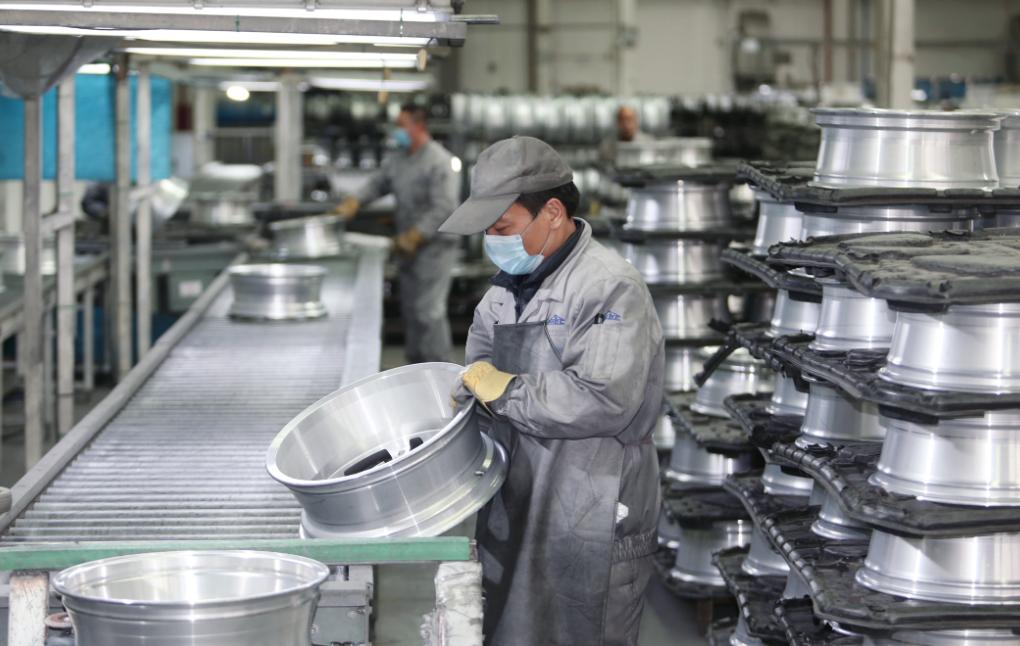
At JTR, we work through this kind of material selection process with customers regularly. We are not only picking the strongest strength option available, but what the item actually needs: structural requirements, surface quality expectations, machining allowances and pricing targets all together. The purpose is to propose an alloy which gives the same outcomes during the whole manufacturing flow.
Final Thoughts
There is no single best aluminum alloy for gravity casting. The best choice depends on your application’s working environment, mechanical requirements, machining needs, and cost targets.
It’s not very difficult to get this right if you do it systematically: start with what the part needs to perform, think through the entire manufacturing process and be honest about the choices. Getting your casting supplier involved in the discussion early on makes all of this much easier and lowers the chance of discovering a material issue after the tooling is already manufactured.
If you are working on an aluminum gravity casting project and want to discuss alloy options or get a free quote, the JTR team would be pleased to take a look at your part together. Contact us here.