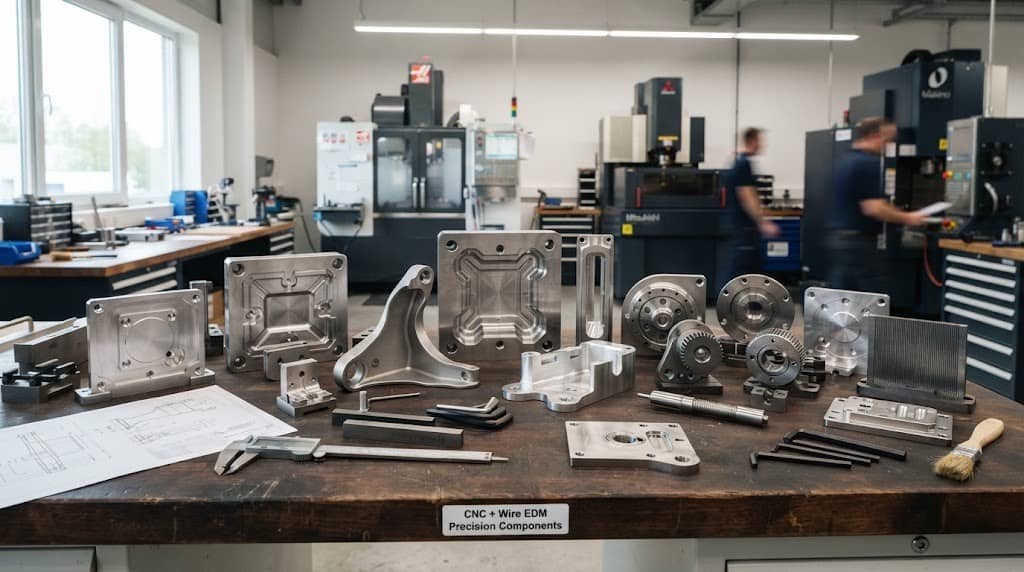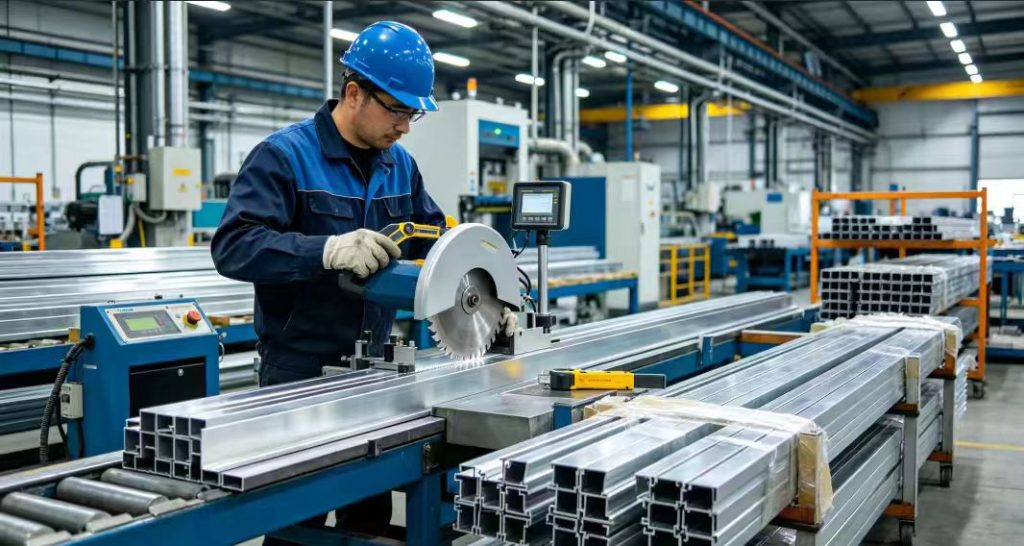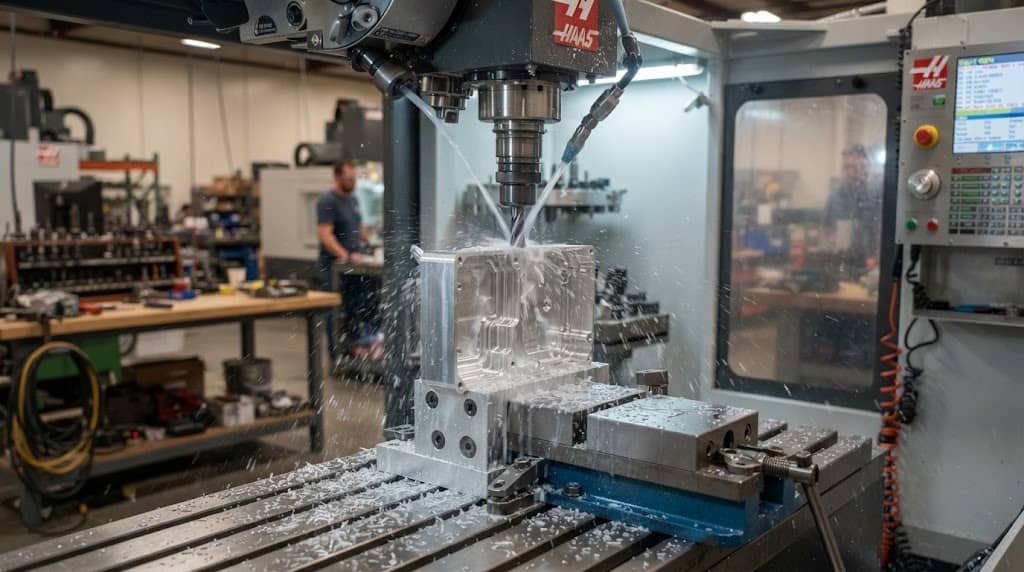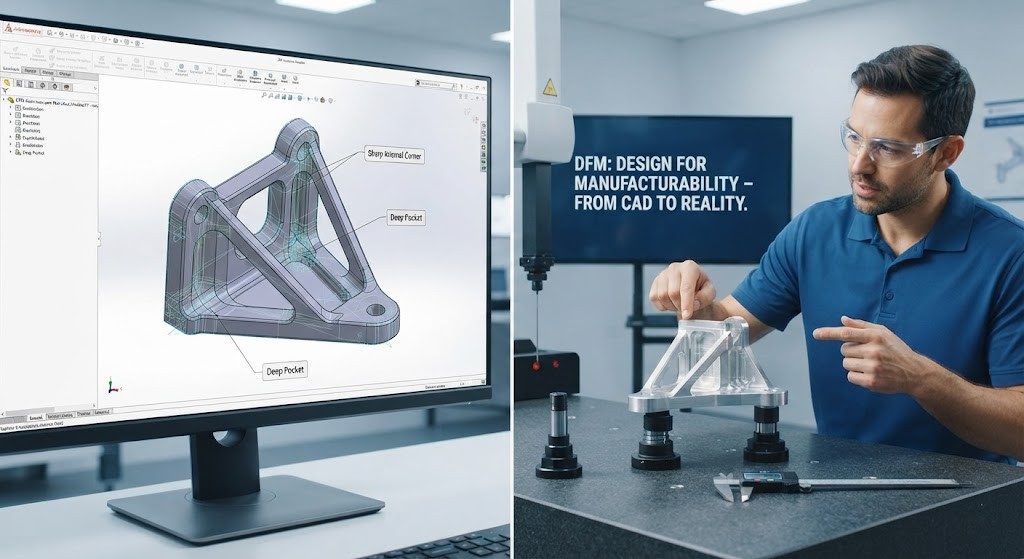


When sourcing custom parts from China, CNC machining lead time is often one of the first questions buyers ask. However, the time required to manufacture a CNC machined part is not simply the number of hours a machine spends cutting metal. A CNC order may involve engineering review, material preparation, production scheduling, programming, machining, inspection, surface treatment, packaging, and international logistics. A part that requires only several hours of actual machining can therefore have a much longer total delivery cycle.
For overseas buyers, understanding how China CNC machining lead time is calculated makes it easier to establish realistic delivery expectations, compare suppliers, and avoid preventable delays.
What Does CNC Machining Lead Time Actually Include?
CNC machining lead time generally refers to the period between order confirmation and completion or delivery of the finished parts. The exact definition can vary between suppliers, so buyers should always confirm when the supplier’s lead-time clock starts.
A typical CNC production cycle can include:
RFQ and technical review → order confirmation → material preparation → production planning → CNC programming and setup → machining → inspection → surface finishing → packaging → shipping
Each stage can contribute to the final delivery schedule. For example, actual cutting time may represent only part of the total production cycle. Before a machine starts, engineers may need to review drawings, prepare CAM programs, confirm machining methods, and arrange fixtures. After machining, parts may require dimensional inspection, surface treatment, additional processing, or customer approval.
This is why CNC machining time and CNC delivery time are not the same thing. A useful way to understand the complete schedule is: Total Delivery Time = Engineering + Material Preparation + Production Scheduling + Machining + Inspection + Finishing + Logistics
The importance of each stage depends on the part, quantity, material, quality requirements, and supplier’s production workflow.
The 8 Stages That Determine China CNC Machining Lead Time
1. RFQ and Technical Review
The lead-time process often begins before production. The supplier needs sufficient technical information to evaluate the order. Important information includes:
- 2D engineering drawings
- 3D CAD files
- Material grade
- Part quantity
- Dimensional tolerances
- Surface finish requirements
- Heat treatment requirements
- Surface treatment
- Inspection requirements
If information is incomplete, the supplier may need to clarify specifications before confirming the order. Every additional clarification can add waiting time.
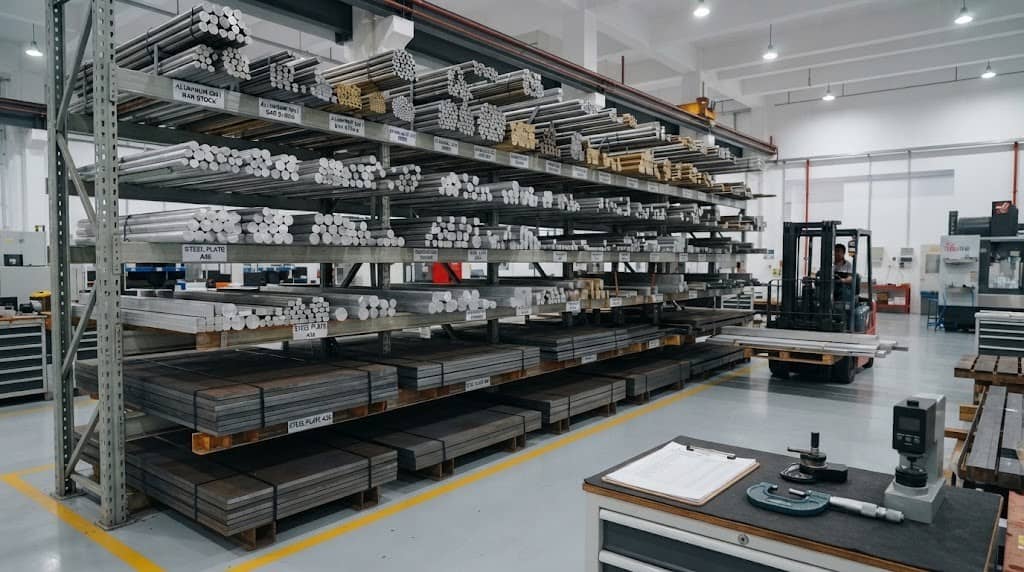
2. Material Availability
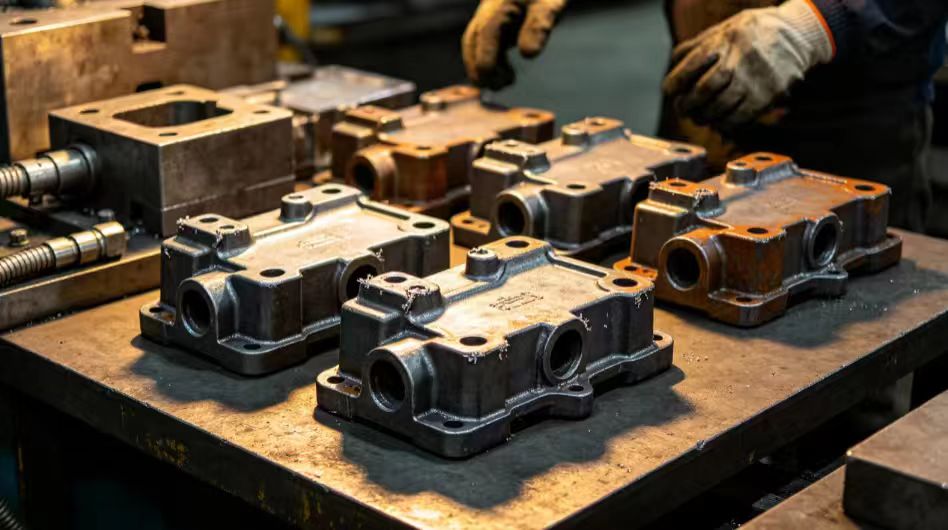
Material preparation can have a significant effect on delivery time. If the required aluminum, stainless steel, steel, brass, titanium, engineering plastic, or other material is already available, production can usually move forward more quickly. If a specific material grade or size must be sourced, procurement can become an additional stage in the schedule.
Special material requirements may also require additional documentation, such as material certificates or traceability records. For this reason, buyers should ask:
Is the required material already available, or does it need to be purchased specifically for this order?
3. Production Planning
After the order is confirmed and material requirements are clear, the supplier needs to allocate production capacity. This involves considering:
- Available CNC machines
- Existing production schedules
- Required machine type
- Production quantity
- Fixture availability
- Tooling requirements
- Other orders already scheduled
A supplier may have sufficient equipment but still need to schedule the job around existing production commitments. Therefore, machine capacity and actual production availability are two different considerations.
4. CNC Programming and Setup
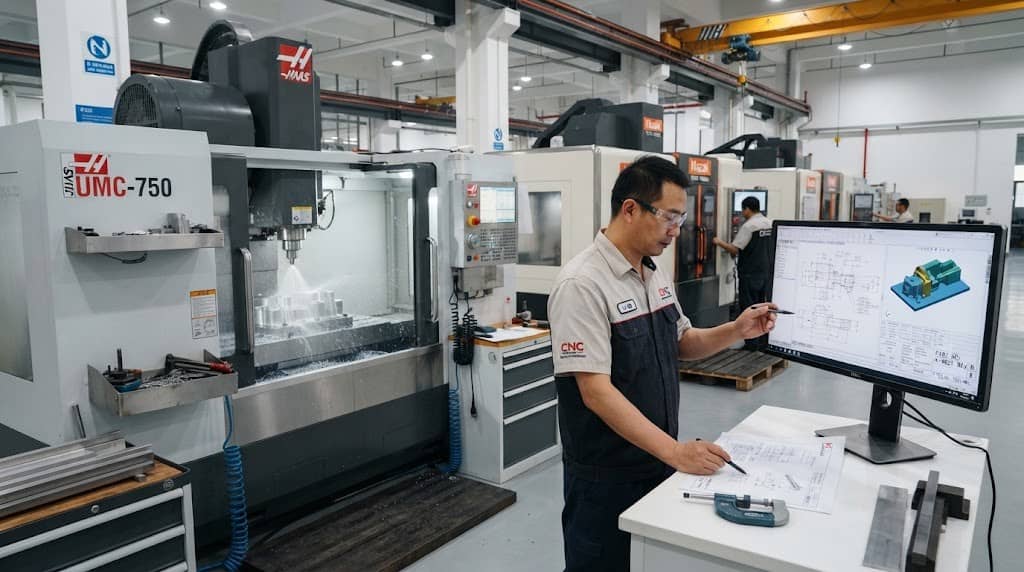
Before machining starts, the production team may need to prepare CAM programs, cutting strategies, workholding methods, tools, and machine settings. A repeat order may move through this stage faster because an established production process already exists.
A new part, however, may require:
- New CNC programming
- Tool selection
- Fixture preparation
- Workholding verification
- Process testing
- First-piece adjustment
The engineering preparation required before machining can therefore influence the overall delivery schedule.
5. Actual CNC Machining
Machining is the most visible part of CNC production, but it is only one component of total lead time. The actual machining cycle depends on factors such as:
- Number of parts
- Number of setups
- Part geometry
- Required operations
- Material
- Tooling
- Machine availability
- Required production quantity
However, buyers should avoid estimating total delivery time simply by calculating machine cycle time. For example, if a part requires two hours of cutting, that does not necessarily mean the finished order will be ready two hours later. Setup, inspection, finishing, scheduling, and other production stages still need to be completed.
6. Inspection
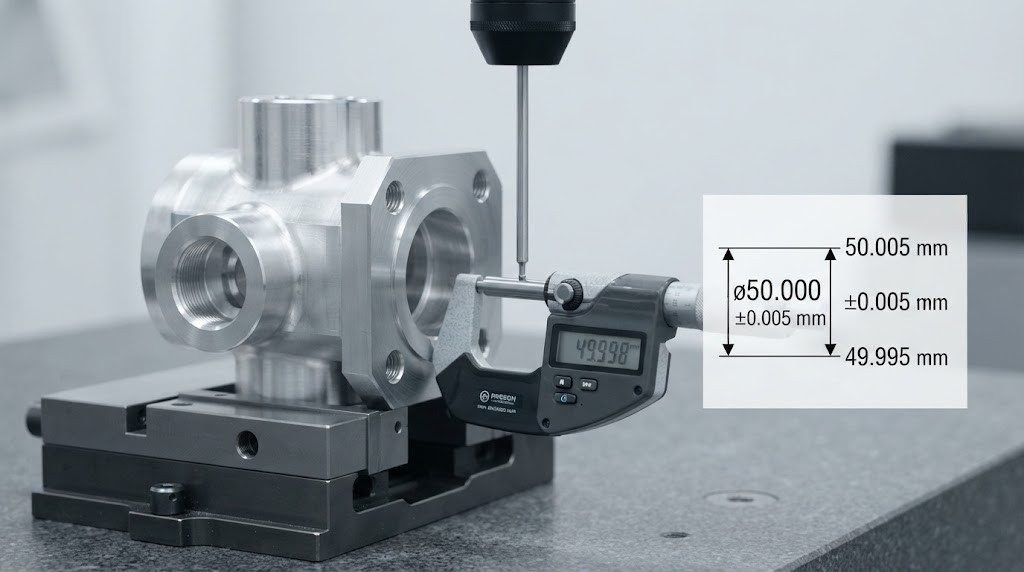
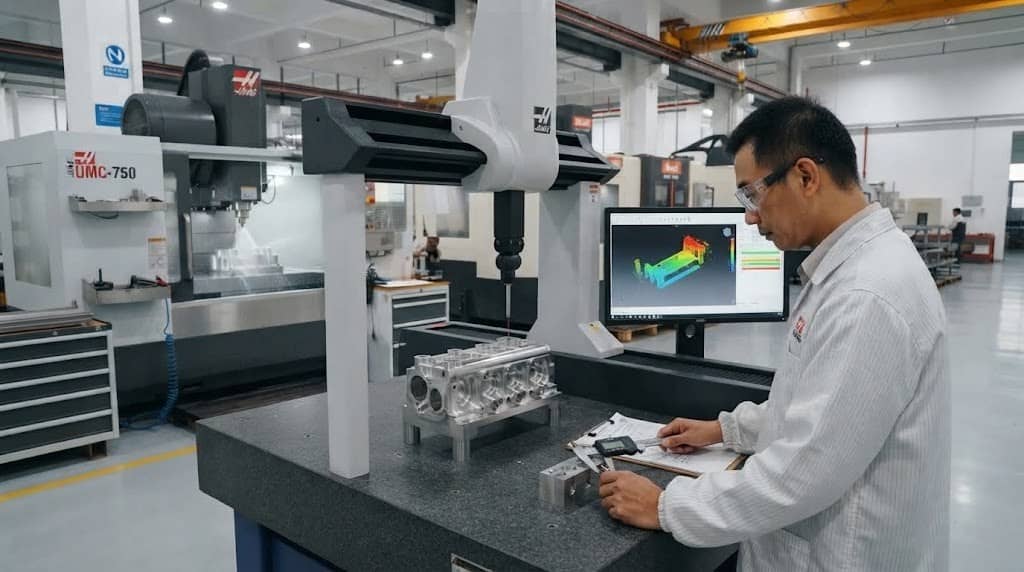
Inspection is an essential production stage, particularly for precision components with tight dimensional requirements. Depending on the project, inspection may include:
- Dimensional measurement
- Caliper and micrometer inspection
- Thread inspection
- Surface roughness measurement
- Geometric inspection
- CMM measurement
- First article inspection
- Final inspection
If a customer requires detailed inspection reports or additional documentation, the inspection stage may require more time. More importantly, inspection can identify deviations that require correction or rework. This is one reason quality control should not simply be removed from the schedule to achieve a shorter delivery date.
7. Surface Finishing
CNC machining may not be the final manufacturing stage. Finished parts can require processes such as:
- Anodizing
- Plating
- Powder coating
- Polishing
- Passivation
- Heat treatment
- Other specialized finishing
Some finishing processes are performed by external specialists. In this situation, transportation and supplier scheduling can become part of the total lead time. If surface treatment is required, buyers should confirm whether it is performed in-house or outsourced and whether the quoted lead time includes the entire finishing process.
8. Packaging and Shipping
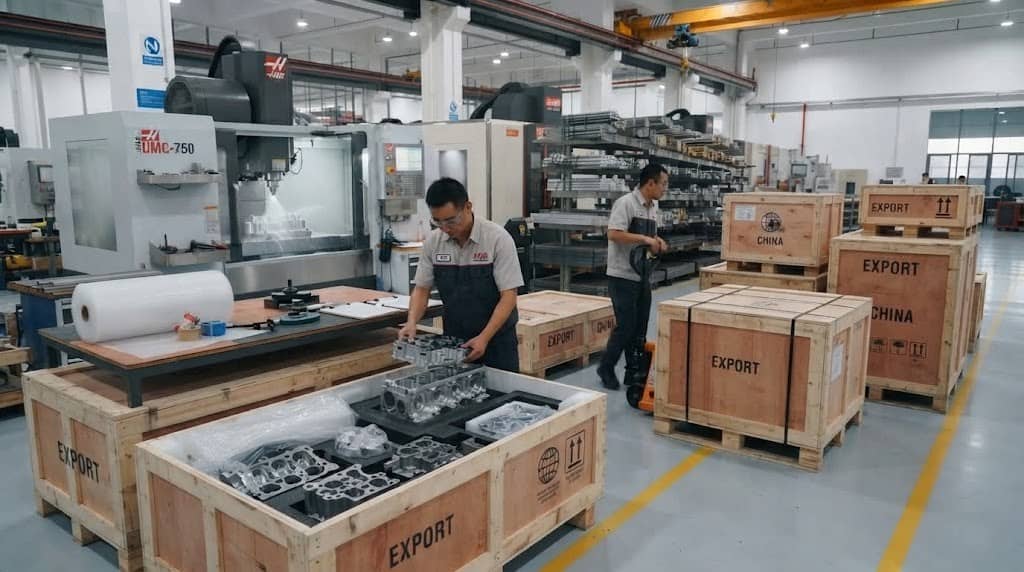
Once parts pass final inspection, they still need to be packaged and prepared for shipment. For international orders, the delivery cycle can include:
- Final packaging
- Quantity verification
- Export documentation
- Shipping arrangement
- Freight transit
- Customs clearance
- Local delivery
Therefore, production lead time and total delivery time should be discussed separately. A supplier may complete production on schedule, while international transportation adds additional days before the parts reach the buyer.
What Makes One CNC Order Faster Than Another?
Two CNC orders can look similar but have very different delivery schedules. The difference is often caused by the production conditions surrounding the order rather than machining itself.
Material in Stock vs. Material Procurement
A commonly used material that is already available can reduce waiting time. A special grade or unusual stock size may require additional sourcing.
Existing Process vs. New Process
Repeat parts often benefit from established CNC programs, fixtures, inspection procedures, and production parameters. New parts normally require more engineering preparation before production.
Simple Production Flow vs. Multiple External Processes
Parts that can be machined and inspected within one production workflow may move faster than parts requiring heat treatment, coating, plating, or other external services.
Standard Inspection vs. Detailed Inspection
Basic dimensional checks and comprehensive inspection packages have different scheduling requirements.
Available Capacity vs. Full Production Schedule
A supplier’s total machine count does not automatically indicate immediate availability. Production schedules need to be considered when determining the actual start date.
This is why asking only “How many CNC machines do you have?” does not provide a complete picture of delivery capability.
Prototype, Small Batch, and Mass Production: Why Lead Times Differ
Production quantity affects lead time, but not always in a directly proportional way.
- For prototypes, engineering preparation and setup can represent a large portion of the total schedule. The actual number of parts is small, but programming, fixture preparation, and inspection still need to be completed.
- For small-batch production, the supplier must balance setup activities with production efficiency and machine scheduling.
- For larger production runs, the focus shifts toward production capacity, process stability, inspection planning, and consistent batch output.
A simplified comparison is:
| Production Stage | Prototype | Small Batch | Larger Production |
| Engineering | High importance | Moderate | Usually established |
| Setup | Significant | Significant | Optimized over quantity |
| Machining | Short total run | Moderate | Major production stage |
| Inspection | Often detailed | Batch-based | Process and batch control |
| Scheduling | Quick allocation may be possible | Capacity dependent | Capacity planning becomes critical |
An important point for buyers is that a larger order does not necessarily mean a proportionally longer lead time. An experienced manufacturer may optimize the process, use multiple machines, or organize production in batches. Conversely, a large order can require additional planning if available capacity is limited.
Why CNC Orders Get Delayed After the PO Is Placed
Many production delays do not originate from the CNC machine. Common causes include:
1. Drawing Revisions
A revised drawing can require new programming, process changes, or even material replacement.
2. Incomplete Specifications
Unclear tolerances, finishing requirements, materials, or inspection criteria can delay production approval.
3. Material Availability
If the required material is unavailable, machining cannot begin even when machine capacity is available.
4. Approval Delays
Prototype or first-article approval can affect the start of subsequent production.
5. Unexpected Machining Problems
Certain parts may require process adjustments after the first pieces are produced.
6. Rework
If parts fail dimensional or visual requirements, additional machining or replacement may be necessary.
7. Surface Treatment Delays
External finishing suppliers can introduce additional scheduling and transportation time.
8. Packaging and Shipping Issues
Incorrect packaging requirements, export documentation, or shipping arrangements can delay dispatch after production is completed.
This leads to an important principle: Not all CNC delivery delays happen on the machine.
The complete order workflow needs to be considered when planning a delivery date.
How to Reduce CNC Machining Lead Time Without Sacrificing Quality
Reducing lead time does not mean removing inspection or quality-control steps. Instead, the objective should be to reduce unnecessary waiting and rework.
1. Before Ordering
Provide complete technical information from the beginning:
- Final 2D drawings
- 3D CAD files
- Confirmed material
- Required quantity
- Tolerance requirements
- Surface treatment
- Inspection requirements
- Packaging requirements
A complete RFQ allows the supplier to identify potential issues before production starts.
2. During Order Confirmation
Confirm exactly when the quoted lead time begins. For example: Does lead time start after PO confirmation, drawing approval, material confirmation, or payment? This prevents misunderstandings between buyer and supplier.
3. During Production
Respond quickly to technical questions and approval requests. Avoid unnecessary engineering revisions after production has started. If the project requires first-article approval, establish the approval process before production begins.
4. With the Supplier
Ask the supplier to identify potential bottlenecks in advance:
- Material procurement
- Machine availability
- Special tooling
- Inspection requirements
- Surface treatment
- Packaging
- Shipping
The goal should be to reduce waiting time, not quality-control time.
How to Set a Realistic Delivery Schedule for China CNC Machining
When requesting a quote from a Chinese CNC machining supplier, buyers should ask for more than one delivery date. A useful production schedule can be divided into:
- Engineering Review: Confirm drawings, materials, tolerances, and manufacturing requirements.
2. Material Preparation: Confirm whether materials are available or need to be sourced.
3. Production Scheduling: Confirm the planned production start date.
4. CNC Machining: Estimate the production period based on quantity and process requirements.
5. Inspection: Allow sufficient time for dimensional and quality verification.
6. Surface Treatment: Include any heat treatment or finishing requirements.
7. Packaging and Dispatch: Confirm when finished parts will leave the factory.
8. International Shipping: Calculate transportation separately from manufacturing lead time.
Before placing an order, overseas buyers should confirm:
- Production lead time
- Material preparation time
- Planned production start date
- First-article timing
- Inspection requirements
- Surface finishing time
- Packaging time
- Shipping method
- Whether revisions affect the delivery schedule
This approach provides a much more realistic view of China CNC machining delivery time than simply asking how many days the machining will take.
CNC Machining Lead Time FAQ
Q1: Does CNC machining time include material procurement and inspection?
Not necessarily. Suppliers may define “machining lead time” differently. Always confirm whether material procurement, inspection, finishing, and packaging are included in the quoted production lead time.
Q2: Why can two CNC suppliers offer different delivery times for the same part?
Different suppliers may have different machine availability, material stocks, production schedules, engineering workflows, inspection procedures, and finishing resources. Their quoted lead times therefore do not necessarily represent the same production scope.
Q3: Can prototype CNC parts be produced faster than production batches?
Sometimes. Prototypes involve fewer parts, but they may require new programming, setup, and engineering work. A repeat production order can sometimes move faster because the manufacturing process has already been established.
Q4: How can I shorten China CNC machining lead time?
Provide complete drawings and specifications, confirm materials early, minimize design changes after approval, respond quickly to technical questions, and confirm inspection and finishing requirements before production begins.
Q5: Does surface finishing affect CNC machining delivery time?
Yes. Heat treatment, anodizing, plating, powder coating, polishing, and other secondary processes can add time, especially when they are outsourced. The buyer should confirm whether finishing is included in the supplier’s quoted lead time.